
How do you know where to find emergency response resources and formal care options when a drug emergency strikes? If you live in Collin County, Texas, or surrounding communities, chances are you’ve noticed drug-related issues affecting families, schools, and neighborhoods locally. In recent years, our hometown has sadly faced increased challenges surrounding synthetic drugs. When it comes to overdoses, knowing the warning signs, having reversal medications handy, and knowing where to turn for clinical care matters.
What Is an Overdose? How Does Substance Abuse Disorder Impact Risk?
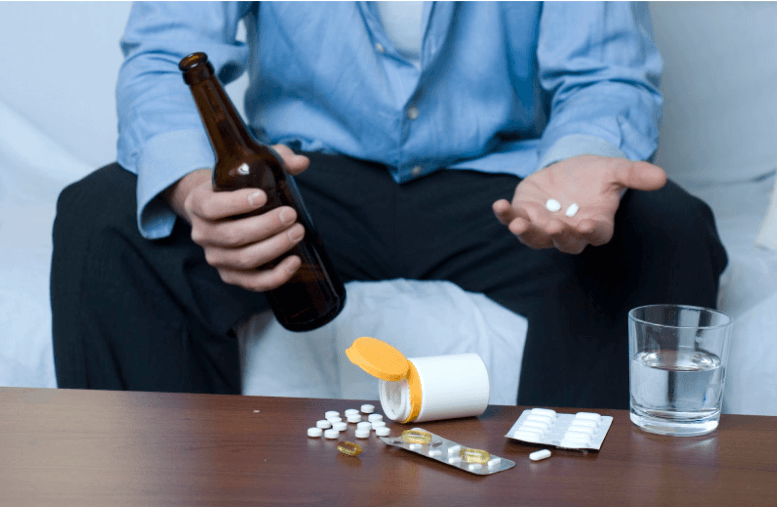
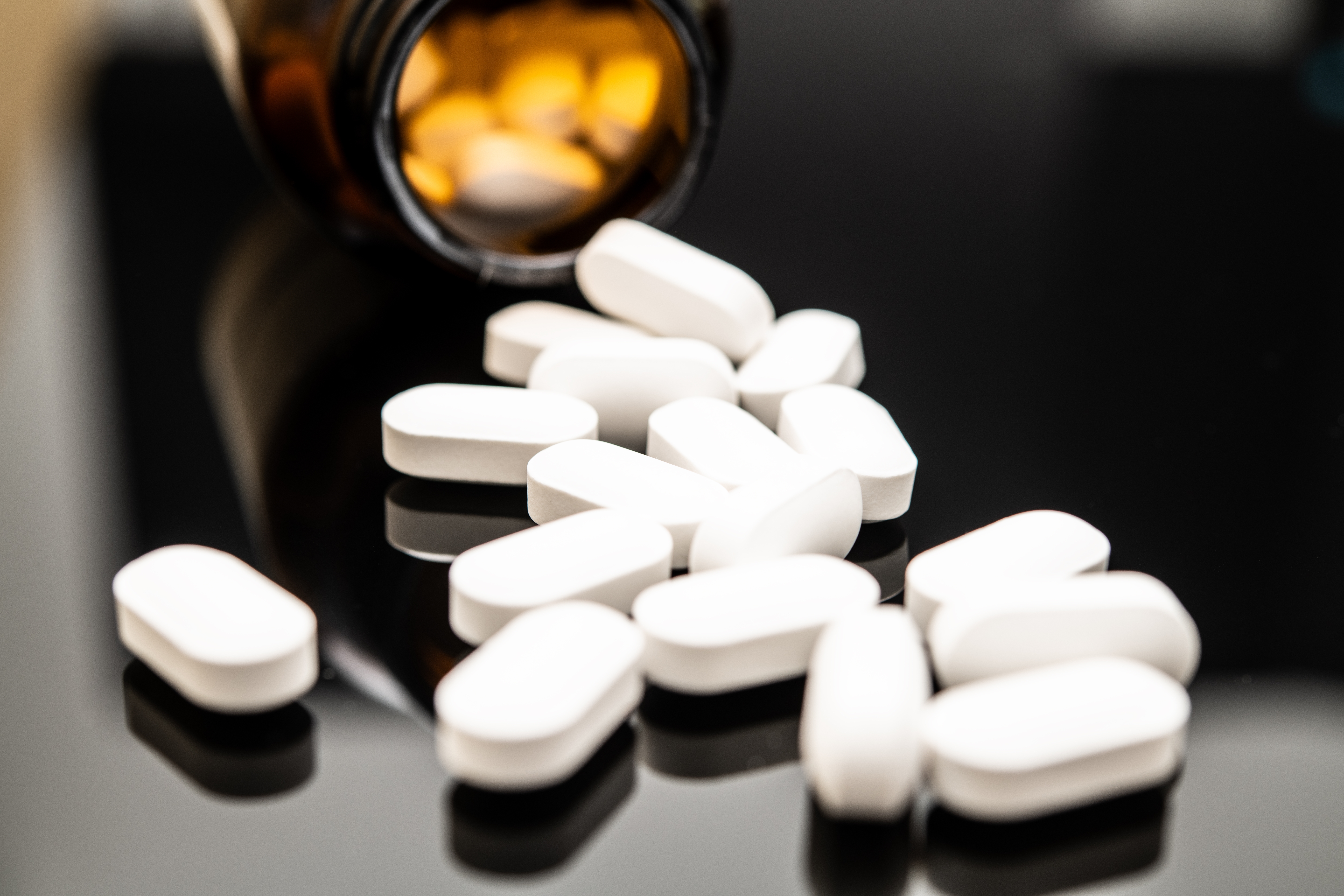
Consuming an excessive amount of any drug or toxic combination of substances can lead to an overdose. This occurs when harmful levels of toxins enter the body and begin to slow the functioning of your vital organs. Depending on how quickly someone receives medical care, overdoses can lead to permanent neurological damage or death.
While technically anyone who abuses prescription medications or illicit drugs could suffer an overdose, those living with substance abuse disorder experience a higher risk due to tolerance, compulsive behaviors, and uncontrollable conditions.
Common Causes of Drug Overdose
In general, drug overdoses occur when large amounts of certain substances enter the body and travel to the brain. These chemicals attach themselves to receptors that depress (slow down) or stimulate your body’s natural functions.
Some examples include:
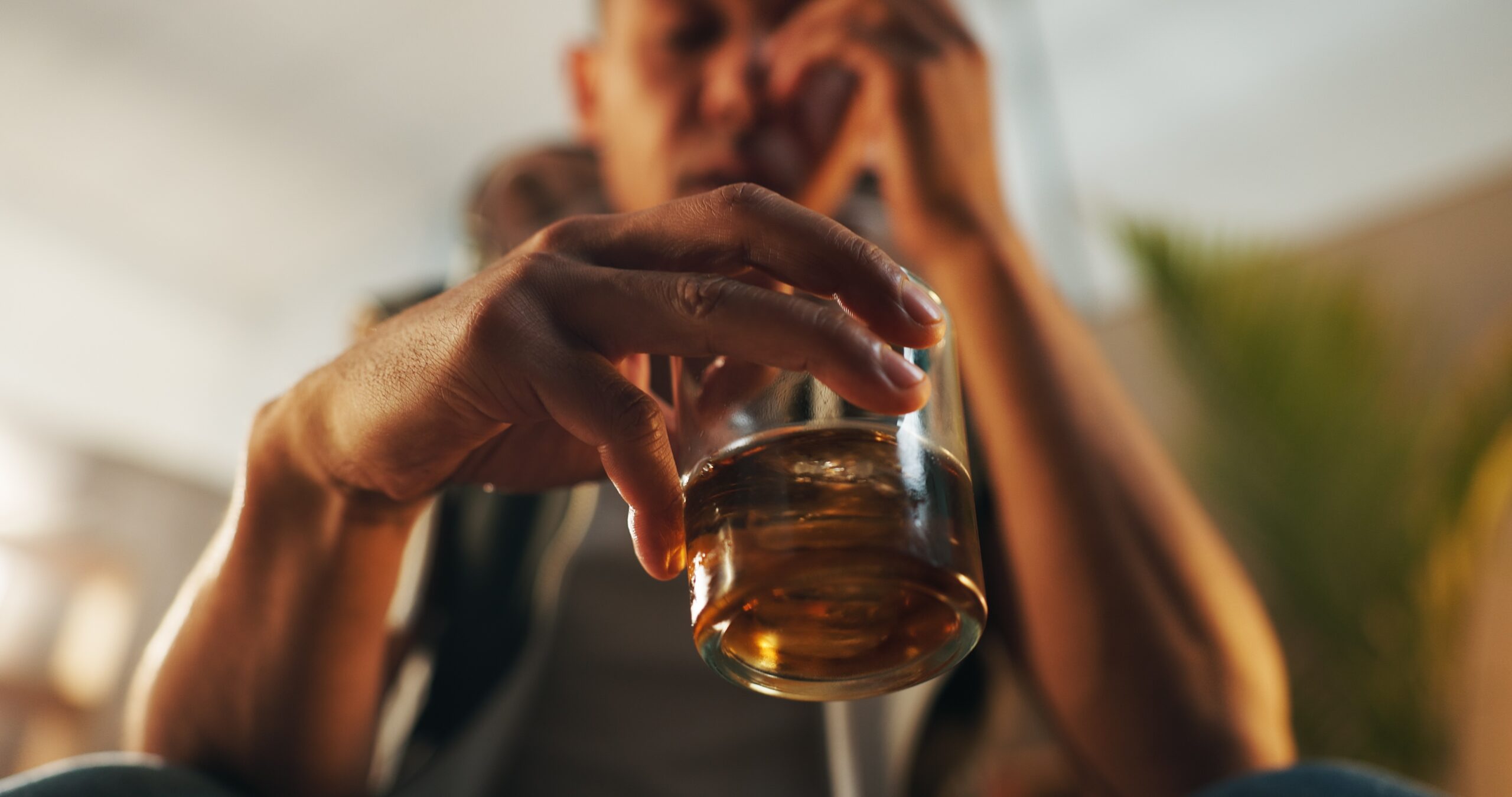
- Mixing drug classes, such as alcohol and depressants or opioids and benzodiazepines
- Mixing more than one batch or supply of narcotics
- Consuming the same amount of drugs after a period of not using
Opioids and Fentanyl: Learn the Risks
Because illicitly manufactured fentanyl overdoses have risen sharply across North Texas, it’s important to understand how drug toxicity works. Fentanyl is a synthetic opioid up to 50 times stronger than heroin and 100 times stronger than morphine. Drug dealers lace counterfeit pills, cocaine, methamphetamine, and heroin with this potent chemical because it’s cheap and abundantly manufactured in clandestine labs.
Accidental overdoses occur when someone unknowingly ingests even small traces of this chemical. Because a fatal dose could be as small as 2 milligrams (roughly 5-8 grains of salt), it’s important to know the signs and have Narcan available.
Overdose Prevention Resources in Frisco, TX
Reachable treatment saves lives. Having resources and reversal kits available offers families the clinical care they deserve. Supporting loved ones through recovery empowers us all to dissolve barriers and remove obstacles preventing someone from asking for help.
- 911 (police, fire, medical emergency)
- 988 (Suicide & Crisis Lifeline) — call or text, 24/7
- Veterans Crisis Line — 988, then press 1
- Collin County Mobile Crisis Line: 877-422-5939
- Crisis Text Line: text 741741
- SAMHSA National Helpline: 1-800-622-HELP (4357)
- Frisco’s Crisis Intervention Program publishes a Frisco After Care Checklist (PDF) and points residents to local mental health authorities and mobile crisis lines
- Texas Overdose and Naloxone Initiative (TONI) — the state’s opioid overdose prevention/education training manual, useful for citing official training material
- Collin County Texas Addiction Hotline: (888) 626-0075
Key Signs of Poisoning
If you suspect someone is overdosing or experiencing severe toxicity, calling 911 immediately is critical. However, knowing what to look for helps you call for help faster.
- Slowed or stopped breathing — Depending on the drug type, breathing may slow to less than eight breaths per minute or stop altogether.
- Unconscious —The individual may be hard to wake up even if you shake them or scream into their ear.
- Changes in Skin Color — Lips and fingernails will often appear blue, gray, or purple.
- Small Pupils
- No Response
- Gurgling Sounds
How Does Naloxone Work? Saves Lives in Minutes
Naloxone – also sold under the brand Narcan – is an opioid antagonist medication that can quickly restore normal breathing to a person whose breathing has slowed or stopped as a result of overdosing.
HOW-TO
If you are not medically trained, providing nasal spray naloxone is easy. Similar to using a nasal decongestant spray, you can spray one dose in one nostril while your friend or loved one lies flat on their back. If there is no response after 2-3 minutes, administer the second dose in the individual’s opposite nostril.
CALL
Once administered, it is critical that you call 911 so professional medical help can arrive. Since Narcan only lasts 30-90 minutes in your system, opioids will gradually return to your receptors as the medicine wears off.
Don’t Have Emergency Services On Speed Dial?
Consider saving local poison control numbers or emergency response teams to your phone for faster access.
Overcome Substance Abuse With Aspire Recovery | Your Path to Lasting Healing
Overcoming substance dependency requires personalized care, expert guidance, and an unwavering commitment to your long-term well-being. At Aspire Recovery Center, we provide a compassionate continuum of care tailored to your unique clinical needs. From initial stabilization support to structured outpatient programs, our experienced clinical team works alongside you and your loved ones to build a resilient foundation for long-term recovery. If you or a family member are searching for trusted care in North Texas, contact Aspire Recovery Center today to learn more about our comprehensive substance use treatment options.
Remember: detox and drug rehab treat the physical symptoms of addiction. To recover long-term, you’ll work with doctors and therapists to access the underlying cause. Our primary goal at Aspire Recovery Center is to give you the tools you need to recognize personal triggers and create a realistic aftercare plan for your family.
Frequently Asked Questions
What is the focus of overdose prevention?
The main goal of overdose prevention is to save lives. Organizations focus on providing resources, mobilizing recovery communities, hosting awareness campaigns, and offering compassionate support before, during, and after an emergency strikes.
What is an outpatient treatment program?
Outpatient treatment programs allow people to live at home while attending therapy and clinical programming 2-7 days per week. Patients do not stay overnight at a treatment facility.
Is naloxone ever dangerous?
No, naloxone is harmless and cannot hurt someone who may be unconscious due to cocaine, benzodiazepines, alcohol, or a medical condition such as a diabetic emergency or heart attack.