Knowing how to manage complex behavioral issues can be difficult, especially when medical descriptions fail to capture the day-to-day realities families face. When you or your loved one is navigating life with disruptive and difficult traits, the best place to start is always seeking answers. Learning more about the challenges you’re facing with accurate, clinically informed resources can help you gain a greater perspective. With the right outlook focused on proven facts and unconditional support, it becomes possible to understand what it’s truly like to experience life with or alongside someone with a severely misunderstood mental illness.
What Is Narcissistic Personality Disorder?
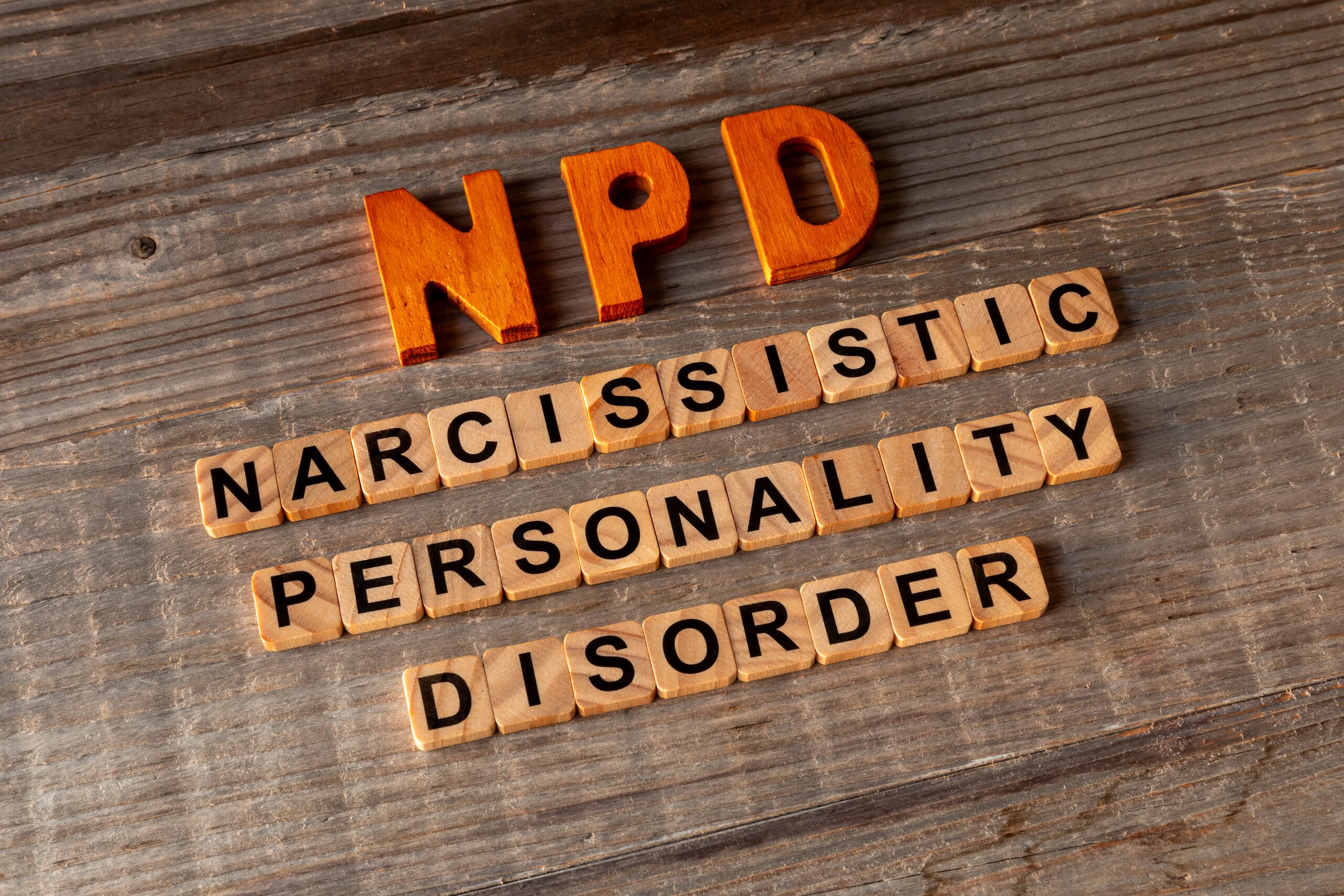
To better break down what narcissistic personality disorder is, let’s start by reviewing how medical professionals define it. Narcissistic Personality Disorder (NPD) is classified as a specific type of mental disorder that drastically impacts how an individual thinks, feels, and relates to others. This condition falls under the diagnostic category of cluster B disorders, which involves emotional, dramatic, or erratic thinking patterns. To qualify as a personality disorder, diagnosed behavior must consistently deviate from cultural norms, be disruptive and rigid, and cause significant issues with functioning.
For someone living with narcissistic personality disorder, this means that their brain condition provokes an inflated ego and intense need for attention. It shouldn’t be thought of as a bad attitude or simple arrogance. Instead, someone with NPD views every conversation, interaction, and relationship through this rigid filter. Enabling your loved ones or yourself to approach this clinical disorder as a health condition you can learn to manage allows families to focus objectively on finding the support needed for healing.
Identifying Signs and Symptoms
The only way to know for sure what behaviors specifically qualify as the diagnosis is by understanding common indicators clinicians use. Spotting narcissistic personality disorder symptoms does not include occasional selfishness or introverted tendencies. These are long-term behaviors reinforced over time and present in many aspects of the person’s life.
- They have an overinflated sense of self-importance and expect others to recognize them as special, even if they aren’t doing anything exceptional.
- Individuals spend large amounts of time dreaming about or planning for unrealistic levels of success, power, beauty, intelligence, or love.
- They believe they are superior and can only be understood by other high-status people or institutions.
- Needs excessive attention and praise from others to maintain their self-worth.
- Entitled to receive favorable treatment, or others should automatically obey their demands.
- Take advantage of others to get what they want.
- Shows no regard for others’ feelings or struggles.
- Is often envious of other people’s lives or believes people are envious of them.
- Comes across as conceited, pretentious, or insulting to others.
Understanding the Causes
Studies have shown that there isn’t a direct cause that leads to someone developing NPD. Instead, it is a combination of genetic factors and early-life experiences that influence how brain chemistry functions.
Certain people are more predisposed to developing specific character traits than others based on their DNA. Your brain also plays a critical role in how your body behaves and processes thought patterns. If someone has difficulty controlling their emotions or reacting to stress, they may be more likely to develop conditions related to impulse control and behavioral regulation.
Parents and caregivers have the most significant influence on how a child perceives themselves. A kid who grows up with overbearing parents who pamper them or exaggerate their talents may create an unrealistic perception of themselves. Abuse, neglect, or unpredictable traumas can also make a child believe they aren’t good enough; as a result, they build a fake personality to hide their insecurities. Whatever the case may be, these created filters become permanent fixtures as the child grows into adulthood.
Levels and Types of Narcissistic Traits
You will find that most people who fall under the narcissistic umbrella can exhibit their disorder in one of three primary ways. While all diagnosable individuals will meet the criteria mentioned above, understanding these types can help you better identify how it displays in everyday life.
Someone with overt narcissism is your typical “textbook” narcissist. They will often come across as loud, bold, and extremely arrogant. Looking for the spotlight at every turn, they love talking about themselves and expect others to cater to their needs. Overt narcissists often have a low tolerance for criticism, becoming defensive or angry if anyone questions their thoughts or actions.
Vulnerable narcissists are sometimes known as “covert” narcissists. Although they act as though they are entitled or supremely confident, they typically come across as defensive, victims, or loners. Rather than demanding praise, they may utilize passive-aggressive tendencies or isolate themselves from others to appear downtrodden.
Malignant narcissism is another step beyond regular narcissism and typically includes elements of antisocial disorder. They may be remorseless, manipulative, hostile, or aggressive.
Impact On Relationships
You will quickly learn that narcissistic conditions affect more than just the diagnosed person. Due to the lack of empathy someone with NPD has, it is challenging to maintain healthy relationships with others.
Family: Because narcissists require everything to be about them, they often expect their family members (especially children) to revolve around their life. They will demand you drop your life at their request no matter the circumstances.
Friends/Partner: Someone with narcissistic personality disorder tends to put you on a pedestal until you inevitably make a mistake. They will then tear you down emotionally and pretend they don’t care about you anymore. Friends, partners, and significant others report feeling like they constantly walk on eggshells.
Co-Workers: Conditions like NPD make it hard for someone to work in a team setting or take criticism from their boss. They may even steal credit for other people’s work. As a result, people with NPD frequently change jobs and struggle to maintain a professional support system.
Clearing Up Common Misconceptions
Healthy Self-Esteem vs. Grandiosity
Having healthy self-esteem comes from knowing your worth. You recognize that you are not perfect and that other people have value. Constantly seeking validation from your peers to feel good about yourself is an unhealthy practice.
Setting Boundaries vs. Being Empathetic
Establishing limits with others allows you and the other person to benefit. A complete lack of empathy means you don’t care about how your behaviors affect others.
How Mental Health Professionals Diagnose NPD
Diagnosing someone with narcissistic personality disorder can’t be done through a quiz or by simply asking around. Only licensed mental health professionals can determine if someone meets the criteria after a thorough assessment.
During the evaluation process, your clinician will interview you, get to know your history, and cross-reference your behavior with the DSM-5. Since most people who suffer from NPD rarely come to a recovery clinic because of their disorder, professionals need to run tests to rule out other mental illnesses.
Treating Narcissistic Behavior
Although personality disorders are considered irreversible, that doesn’t mean someone cannot learn how to manage their disorder. Treating someone with narcissistic personality disorder varies on a case-by-case basis, but most mental health treatment plans include some sort of talk therapy.
Behavioral therapies help clients replace negative reactions with healthier decisions through deeper internal reflection. While there are no medications to directly treat NPD, doctors can provide patients with prescriptions to combat symptoms of depression, anxiety, or mood fluctuations.
When Should I Get Help?
If your or your loved one’s behavior has grown so far that it is affecting their daily life or safety, it may be time to seek help. Relationships should never be consistently affected by someone’s disorders. Reach out to a professional who can provide you with the tools needed to care for yourself or your family member.
Family members are encouraged to reach out for support if they’re feeling burned out or overcome with negativity by the situation. You don’t have to face the hardship alone, and there are professionals who can teach you how to set healthy boundaries with your loved one.
Find Narcissistic Personality Disorder Treatment Near Me in Frisco, TX
Life with or without a mental illness is possible. No matter your diagnosis, recovery clinics are dedicated to helping people better understand themselves and how they interact with others. As you learn more about narcissistic personality disorder, remember that growth and recovery are always possible with proper care.
At Aspire Recovery Center in Frisco, TX, we understand that every individual requires special care designed to treat their specific needs. We offer many quality, evidence-based mental health treatment services to help people learn how to navigate life with mental illness or behavioral addictions. Our team works with you or your loved one to understand your goals and provide the necessary tools for recovery.
Frequently Asked Questions
Q: Who can be diagnosed with narcissistic personality disorder?
A: Clinicians use a set of specific criteria to determine whether or not someone meets the diagnosis. These include (but are not limited to) a noticeable lack of empathy, the need for admiration, and grandiose thinking that disrupts daily life.
Q: What forms can narcissistic behavior take?
A: Narcissistic behavior can be either loud and insecure or quiet and sensitive. Someone who acts overly arrogant and selfish is displaying their narcissism in its overt form. Covert narcissists are often quieter but act as though they believe they are better than everyone else.
Q: How do professionals treat narcissistic personality disorder?
A: Someone with NPD will typically engage in some form of talk therapy to better understand their behaviors. Medications aren’t used to treat the disorder itself, but can be used to treat other symptoms such as anxiety or depression.