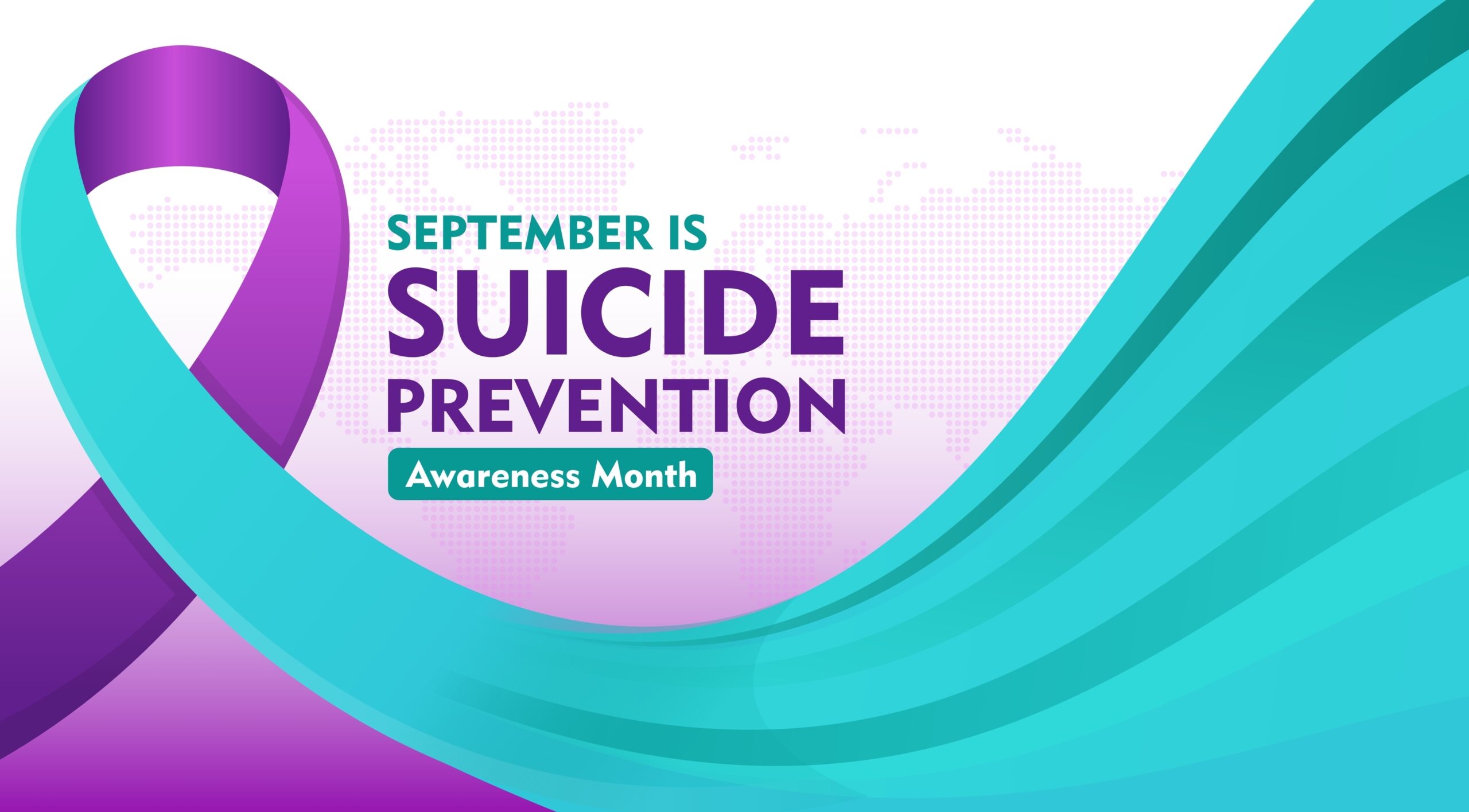

September 10 marks World Suicide Prevention Day, which dedicates one day every year to helping the public better understand how to prevent suicide.
Created by the International Association for Suicide Prevention in collaboration with the World Health Organization (WHO), this yearly health campaign emphasizes that suicide can be prevented with the right community awareness, professional resources, and supportive networks.
This year’s triennial theme from 2024-2026, “Changing the Narrative on Suicide,” inspires individuals and local communities to reduce the stigma surrounding suicide and start talking openly about mental health.
If you or someone you love needs crisis support or suicide prevention North Texas resources, please call or text 988 to reach the 988 Suicide & Crisis Lifeline. For local North Texas mental health resources, we’ll walk through where to get care throughout the Dallas-Fort Worth area and surrounding counties.
The loss of a life to suicide devastates families, friends, and entire neighborhoods. That’s why suicide prevention resources should be simple to find for everyone in Texas. When someone you know experiences severe mental health crises or emotional pain, taking action by asking questions and offering help is the best thing you can do. Suicide Awareness North Texas groups empower our state to react quickly by learning the warning signs and how to start a lifesaving conversation.
What Is World Suicide Prevention Day?
World Suicide Prevention Day takes place every year on September 10 as a worldwide initiative to promote suicide prevention. Co-sponsored by the World Health Organization, this movement calls on countries and communities to openly discuss suicide as a public health issue and direct people towards caring mental health policies and treatment options.
“Changing the Narrative on Suicide” honors those we’ve lost by creating supportive networks that speak openly about mental wellness and encourage individuals to seek help early.
Should We Avoid Bringing Up Suicide?
Opening up about suicide prevents suicide. When we spread awareness about suicide prevention, friends, family, and caring community members are more likely to recognize when someone is suffering and know how to help. Avoiding the topic of suicide out of fear only delays life-saving conversations and allows mental health stigma to proliferate.
Should You Ask Someone If They’re Thinking About Suicide?
Asking someone if they are suicidal does not increase their risk of suicide. According to the WHO, asking suicidal loved ones if they are thinking about suicide can relieve their stress with an opportunity to share how they’re feeling.
Suicide Prevention Myths and Facts
| Myth | Fact |
| Asking about suicide will plant the idea in their head | Asking someone if they are suicidal encourages honest communication and can de-escalate a crisis |
| Suicides are unpredictable and always come without warning | Warning behaviors often appear before someone tries to harm themselves |
| Mental health conditions only affect some people | Mental health conditions do not discriminate and can impact anyone at any age |
How Can You Tell Someone Is Having Thoughts of Suicide?
You or someone you know may be considering suicide if you notice any of these warning signs…
- Speak about wanting to kill themselves, feel hopeless, or have no purpose.
- Say they feel like they would be a burden to others if they were gone.
- Become withdrawn from family or friends and avoid work or hobbies they used to enjoy.
- Show sudden mood changes, seem agitated, or are calm after a period of depression.
- Look for means online or begin acquiring lethal objects like firearms or medication.
- Say goodbye to friends or family, write goodbye notes, or give away prized possessions.
While one of these signs alone doesn’t mean a person will attempt suicide, it’s important to take any behavior change seriously and check in with your loved ones.
How Do You Approach a Suicidal Person?
Suicide is never someone’s fault, but by reaching out openly, you can help save a life. Here are a few tips to help prevent suicide in Texas.
Let Them Know You’re Listening
If someone is expressing suicidal thoughts, make sure they know you are there to listen. Provide undivided attention and avoid trying to fix the situation. Let them share their story and feel their emotions. Don’t interrupt with “positive thoughts” or “silver linings.”
Ask Direct Questions
There is no need to beat around the bush. Asking straightforward questions like, “Are you thinking about suicide?” can help your loved one know that you care and are there to listen. Direct language is clear and leaves no room for confusion.
Connect Them With Professional Care
Encourage your loved one to seek help from a mental health professional. Offer to support them while they make a call to the 988 Suicide & Crisis Lifeline, find a therapist, or seek emergency help.
Check Back In
Your loved one will need your support even after the initial conversation. Follow up with them in the coming days and weeks to ensure that they are receiving support.
Where Can I Find Suicide Prevention Resources?
Looking for suicide prevention resources in North Texas? Reaching out to a local crisis line immediately helps those in crisis connect with fast, free, and local mental health care.
988 Suicide & Crisis Lifeline Texas works with local crisis centers to provide free and confidential support 24/7 by call, text, or chat. When you call 988, trained crisis counselors will assess for safety, listen without judgment, and direct you to community resources near you.
Need help now? Call or text 988 for the 988 Suicide & Crisis Lifeline. Visit 988lifeline.org for online chat support.
Find Your Local North Texas Mental Health Authority
The state of Texas is divided by county-specific Local Mental Health Authorities (LMHA) and Local Behavioral Health Authorities (LBHA). LMHAs and LBHAs operate crisis hotlines, mobile crisis response teams, and outpatient behavioral health care in your local area. Visit the Texas Health and Human Services Commission Resource Directory to find your local authority.
North Texas Behavioral Health Authority
Covering Dallas, Ellis, Hunt, Kaufman, Navarro, and Rockwall Counties, NTBHA manages and supports mental health resources, North Texas healing programs, crisis stabilization, and support groups.
Children’s Health Suicide Prevention and Resilience at Children’s (SPARC)
Teens experiencing mental health challenges need access to care teams that specialize in working with adolescents. Children’s Health SPARC provides intensive outpatient mental health care for teens and their families.
Need Help Now?
If someone is attempting suicide or in dire mental health crisis, contact emergency services immediately. Do not leave the person alone if it is safe to stay with them, and try to remove any lethal objects from the environment. Call 911 and let the dispatcher know that you need assistance for a mental health crisis or drive them to the emergency room. You can also call 988 and speak with a trained counselor while you wait for emergency services to arrive.
Help is available across Texas when you know where to look. Let’s continue spreading awareness and encouraging our loved ones to seek support.
Suicide Prevention Resources in Texas
Visit these resource pages to learn more about suicide prevention options in Texas:
- 988 Suicide & Crisis Lifeline | Call or text 988
- Texas HHS Suicide Prevention | HHS Suicide Prevention
- Texas LMHA Directory | Find Your Local LMHA
- Veterans Crisis Line | Call 988, then press 1
- SAMHSA | Find Treatment Resources
Find Outpatient Mental Health Treatment Near You In DFW
Seeking mental health treatment for emotional disorders is only the first step towards recovery. If you or a loved one are struggling with substance use alongside mental health conditions, connect with Aspire Recovery Center today to learn about our compassionate, outpatient mental health programs for adults.
At Aspire, we know how deeply mental illness and substance use can impact our clients’ lives. That’s why we offer outpatient treatment, dual diagnosis therapy, and customized care to meet each client’s specific needs. Aspire Recovery Center is here to support you through early recovery and beyond. Reach out to our caring team now.
World Suicide Prevention Day FAQs
Q. When is World Suicide Prevention Day?
World Suicide Prevention Day is recognized internationally on September 10.
Q. What is the current World Suicide Prevention Day theme?
The theme for World Suicide Prevention Day 2024-2026 is “Changing the Narrative on Suicide.”
Q. What is the suicide hotline number in Texas?
Texans can call or text 988 to speak to a compassionate counselor at the 988 Suicide & Crisis Lifeline.
Q. How can I prevent suicide?
Ask your loved one how they are feeling, listen without judgment, and help them find support.
Q. Where can I find mental health resources in Dallas?
You can find local mental health resources by visiting the Texas HHSC Local Mental Health Authority Directory.