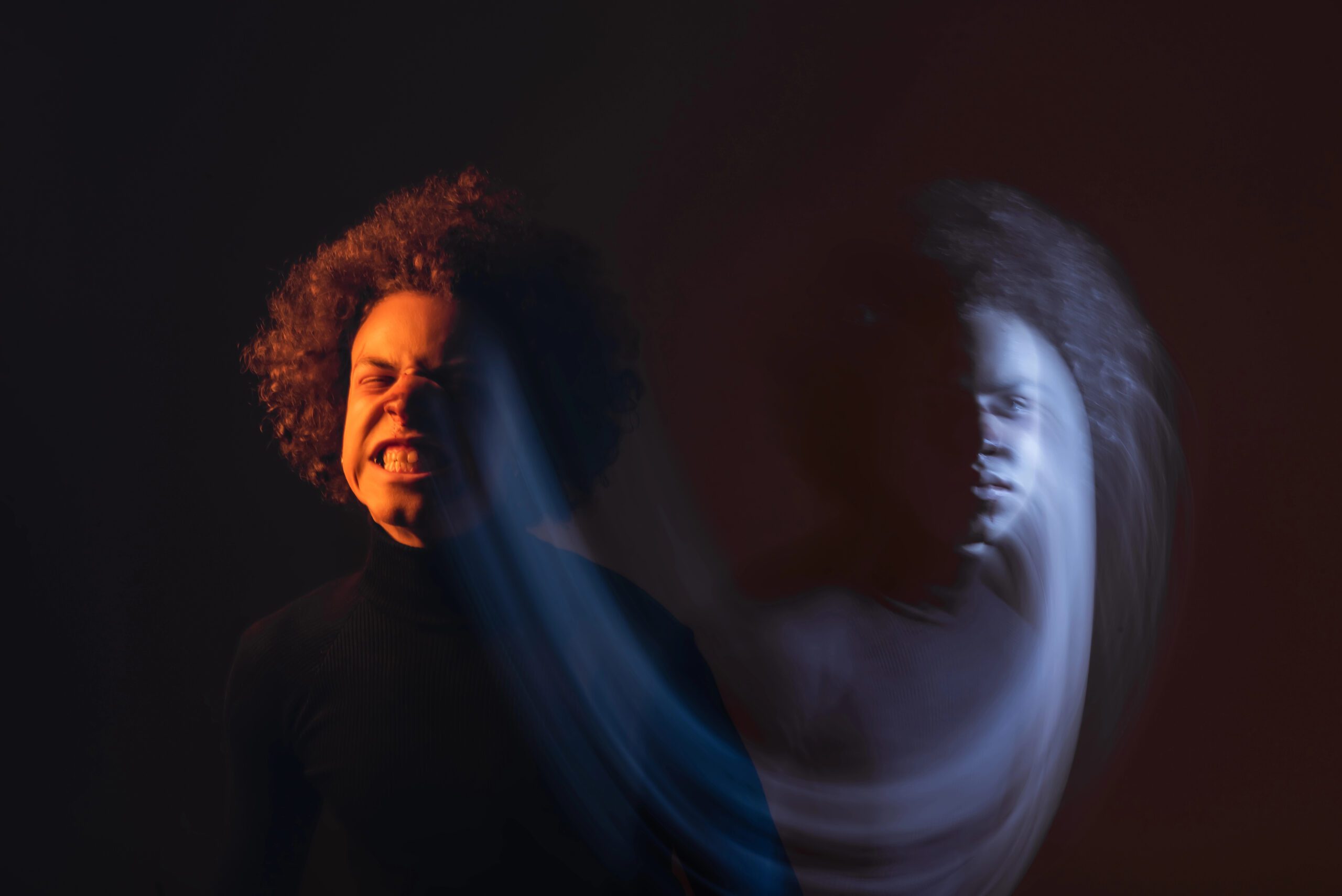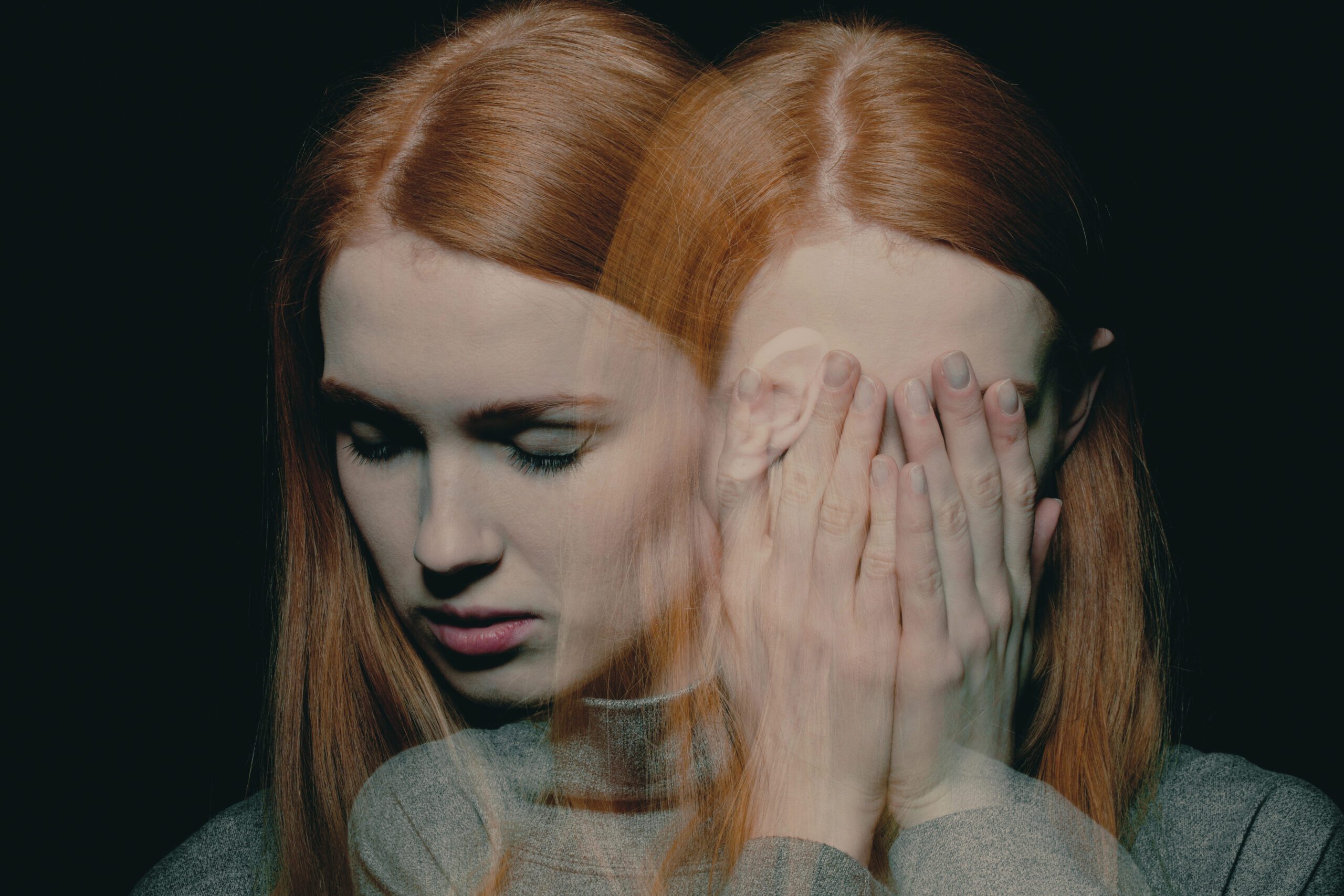

Spotting someone in distress is often like trying to detect land before you spot it from an airplane. The healthiest among us often don’t notice strange ebbs and flows in our mood until it’s too late. Maybe your teenager suddenly quits soccer, the sport they loved. Your spouse is no longer able to handle work-related stress. Or maybe your parent, who’s been “only drinking on occasion” for years, has been unable to slow their habit.
Those are signals something deeper may be happening. Mental illness doesn’t always announce itself when it first begins — it only becomes apparent when our minds are too overloaded to process life’s everyday stressors.
Mental health is one of the key pillars of overall wellness. Knowing what qualifies as a mental disorder is half the battle. When those foundations begin to crumble, we often hide our struggles instead of showing up to doctor’s appointments like we would if we broke a bone or developed a fever. Learn about the types, causes, symptoms, and treatments for mental disorders here so Frisco residents know when it’s time to ask for help.
What Are Mental Disorders?
A mental disorder is defined by the Mayo Clinic as “a condition that impacts the way you think, feel and act.” Many people have mental health disorders, such as depression or anxiety.
Essentially, a mental disorder causes your mind to translate life’s normal stressors into something your body can’t always process. The key difference between being upset and having a mental illness is how long these changes in behavior persist. If you feel stressed, anxious, or sad for weeks at a time and nothing you do seems to help — you might want to speak with a professional.
About 1 in 8 Americans live with some type of mental disorder. For millions of people in the U.S. each day, simply taking a shower and getting dressed feels like a victory. Mental health disorders encompass over 200 unique types of diagnosable conditions.
These medical illnesses make it difficult for people to manage everyday tasks. Most serious mental disorders require treatment from a licensed mental health counselor to remain stable.
Reality vs. Perception
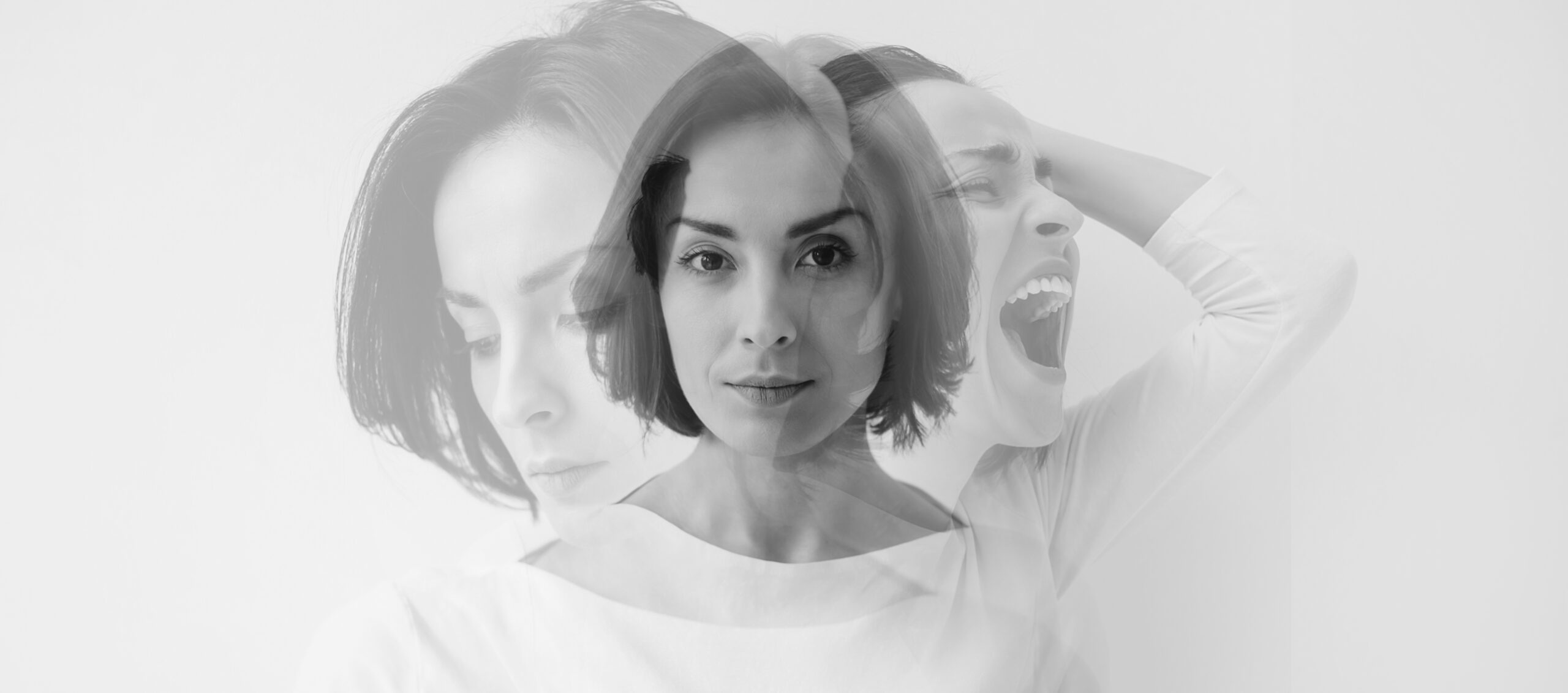
It can be difficult to come up with a solid definition for mental disorders because the symptoms are “invisible.” Unlike physical injuries, you can’t take an X-ray of someone with depression and see why they’re suffering.
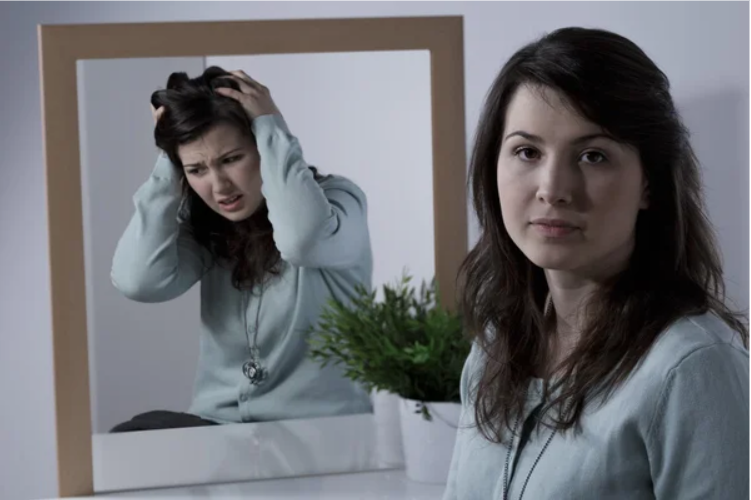
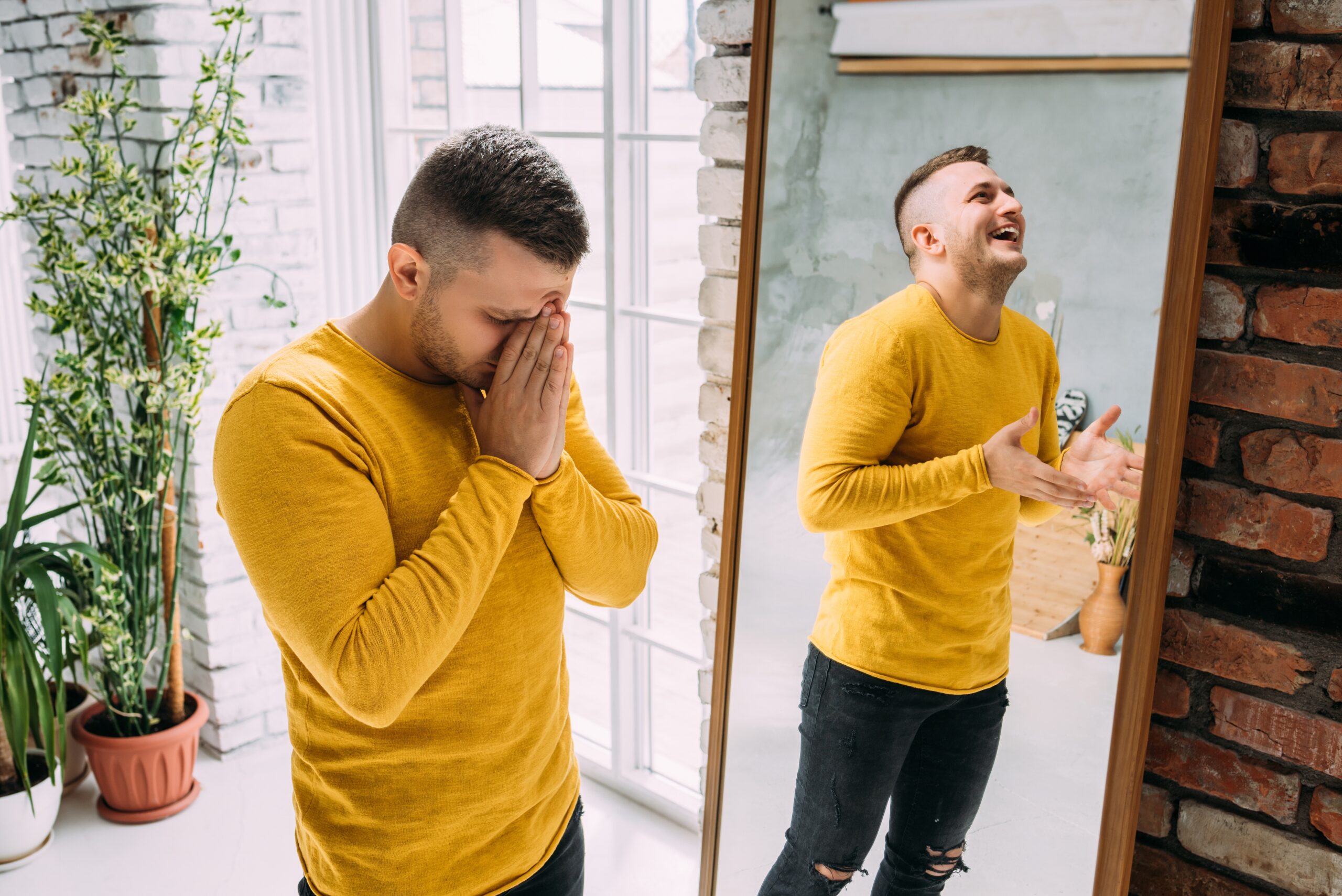
The reality is that we might never know whether someone is mentally ill just by meeting them. They may look like everyone else, but inside they may feel so panicked they can’t leave the house. They may look happy on the outside, but inside it feels like the world is ending.
Common Mental Disorders
With over 200+ diagnosable types of psychiatric illnesses, certain disorders are seen more frequently by professionals. Here are five of the most common mental illnesses that patients try to cope with every day.
Anxiety Disorders
When someone thinks about disorders that impact mental health, chances are they think about anxiety first. Anxiety is normal; we all experience some form of nerves before a big event like a job interview. However, some individuals feel nervous or overwhelmed for no reason at all.
Generalized anxiety disorder, social anxiety, and panic attacks are all considered anxiety disorders. Some people fall into the category of anxiety because they develop phobias, an irrational fear of specific objects or situations.
Mood Disorders
Depressive and bipolar disorders fall into the “mood disorder” category. Depression is when you feel sad or unhappy for an extended period. Bipolar disorder occurs when someone experiences rapid changes in energy levels (highs and lows).
PTSD
If you have PTSD you may feel as though your “fight or flight” switch is stuck. Perhaps you’ve been through a traumatic event that has caused you to live in fear. Post-Traumatic Stress Disorder affects every person differently, but common symptoms include flashbacks, nightmares, and constantly feeling on edge.
Personality Disorders
Personality disorders are often rooted in trauma you’ve experienced as a child. One of the most common personality disorders is Borderline Personality Disorder (BPD). People with BPD often fear abandonment and may frequently change their opinions of other people.
Psychotic Disorders
Psychosis is the “loss of reality.” People who are psychotic may think others can hear their thoughts when they’re alone. A person may have psychiatric symptoms that tell them things that aren’t real.
Causes of Mental Disorders
Typically, there is no smoking gun as to why someone develops a mental illness. More often than not, mental illnesses are caused by a few different factors coming together.
Genetics. Sometimes mental illnesses are hereditary. Just because you have a family history of mental health struggles does not mean you will develop the same illness. You may, however, be predisposed to it.
Biochemistry. Everyone’s brain produces Neurotransmitters, which are responsible for “communicating” information to your brain. Think of neurotransmitters as your brains’ “chemical messengers.”
Hormones. Our brains make chemicals that act like hormones, which can impact our overall mood. Too much or too little dopamine (the chemical that makes us feel good) can negatively impact your mood.
Exposure. Were you exposed to any trauma as a child? Sometimes mental disorders are triggered by events like physical or emotional child abuse, neglect, or loss of a loved one.
Substance Use or Abuse. Oftentimes, people who suffer from mental illness turn to alcohol or drugs to numb the pain. However, substance use can actually worsen symptoms of mental illness. When this occurs, we call it a “dual-diagnosis.”
If you think you or a loved one may have a substance use problem on top of a mental illness, it’s time to seek help.
Symptoms of Mental Disorders
While each illness has criteria that must be met for a diagnosis, there are certain red flags that everyone experiences.
- Feeling stressed or “what if”-ing constantly
- Feeling “heavy” or sad for weeks on end
- Feeling “high” one day and “low” the next
- Getting irritated by friends/family over small issues
- No longer wanting to see friends or be social
- Sleep too much/eat too much or can’t sleep/think of food
- Grades suddenly dropping at school or workplace
- Speeding while driving or spending sprees
Tip : Mood Journal
Keep a mood journal for two weeks. If you’re struggling to know what symptoms you should be aware of, start writing when you feel most “stressed” or sad.
Mental Disorders Treatment
When you first reach out to a mental health professional, they will assess your symptoms to determine what level of care is best for your mental disorders. In Texas, there are different levels of care for certain mental illnesses.
Outpatient Treatment
Mental Health Outpatient treatment is ideal for clients who need structure but want to live at home. This form of mental health care allows you to live at home while receiving therapy and medication management on an outpatient basis.
What Mental Disorders Treatments Should You Look For?
Not all mental health treatments are created equal. Here at Aspire Recovery Center of Frisco, we only offer programming that’s “evidence-based”. That means we offer mental health treatments that have been scientifically proven to heal minds.
Some of the most common forms of evidence-based treatment for mental illness include:
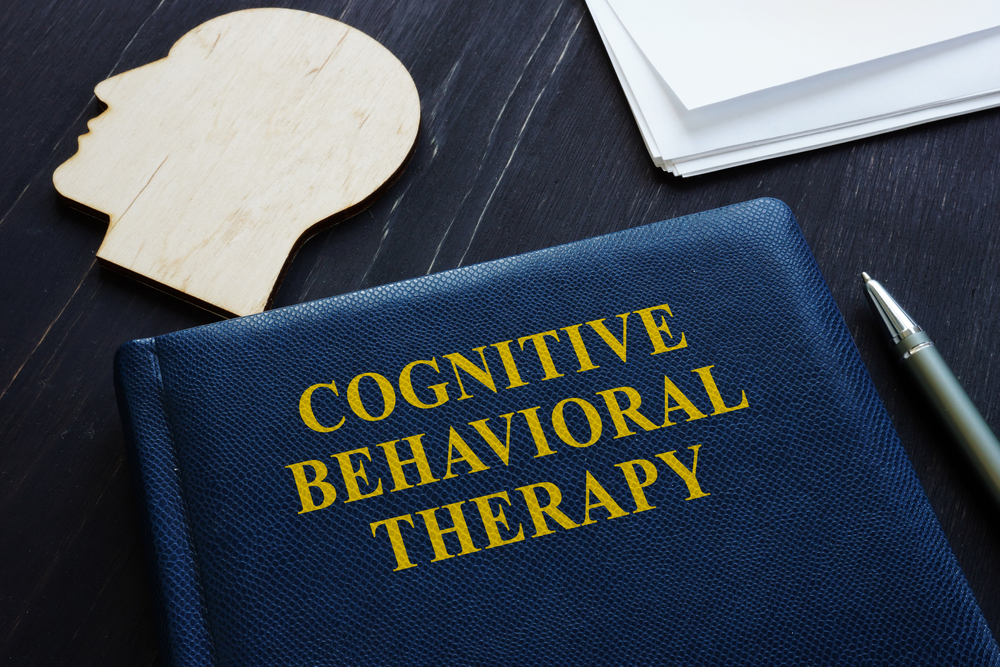
- Cognitive Behavioral Therapy (CBT)
- Dialectical Behavior Therapy (DBT)
- Medication
- Group therapy
Start Healing Today
Your mental health and addiction always go hand in hand. You don’t have to live like this! Our mental health treatment center focuses on providing care that fills the gaps between inpatient facilities and your life at home.
Our intensive outpatient programming (IOP) is the perfect mix of healing your mind while maintaining your responsibilities at home in Frisco. Call us today if you or someone you love is suffering and wants to stop cycling through treatment options that don’t work.