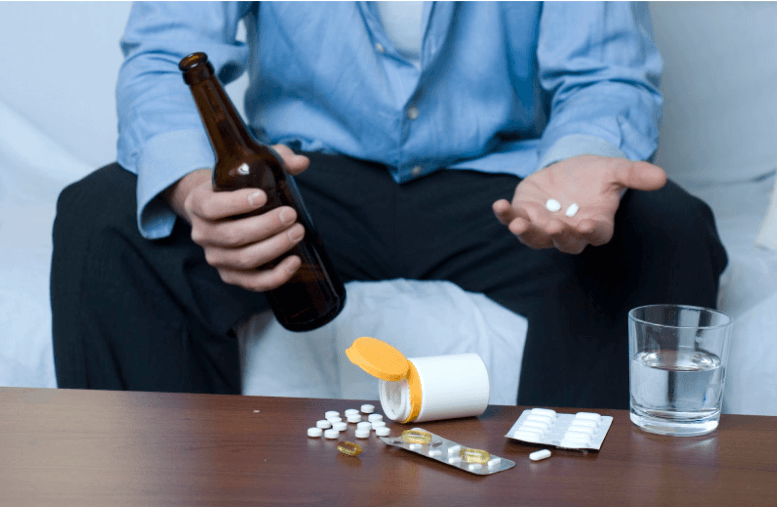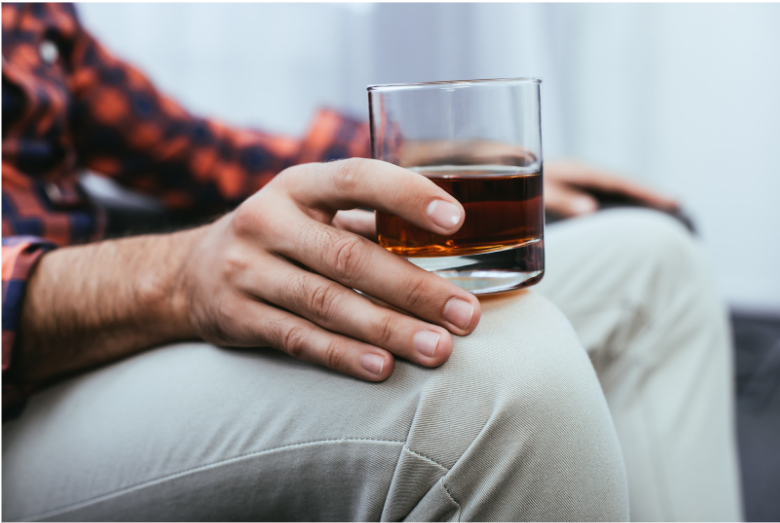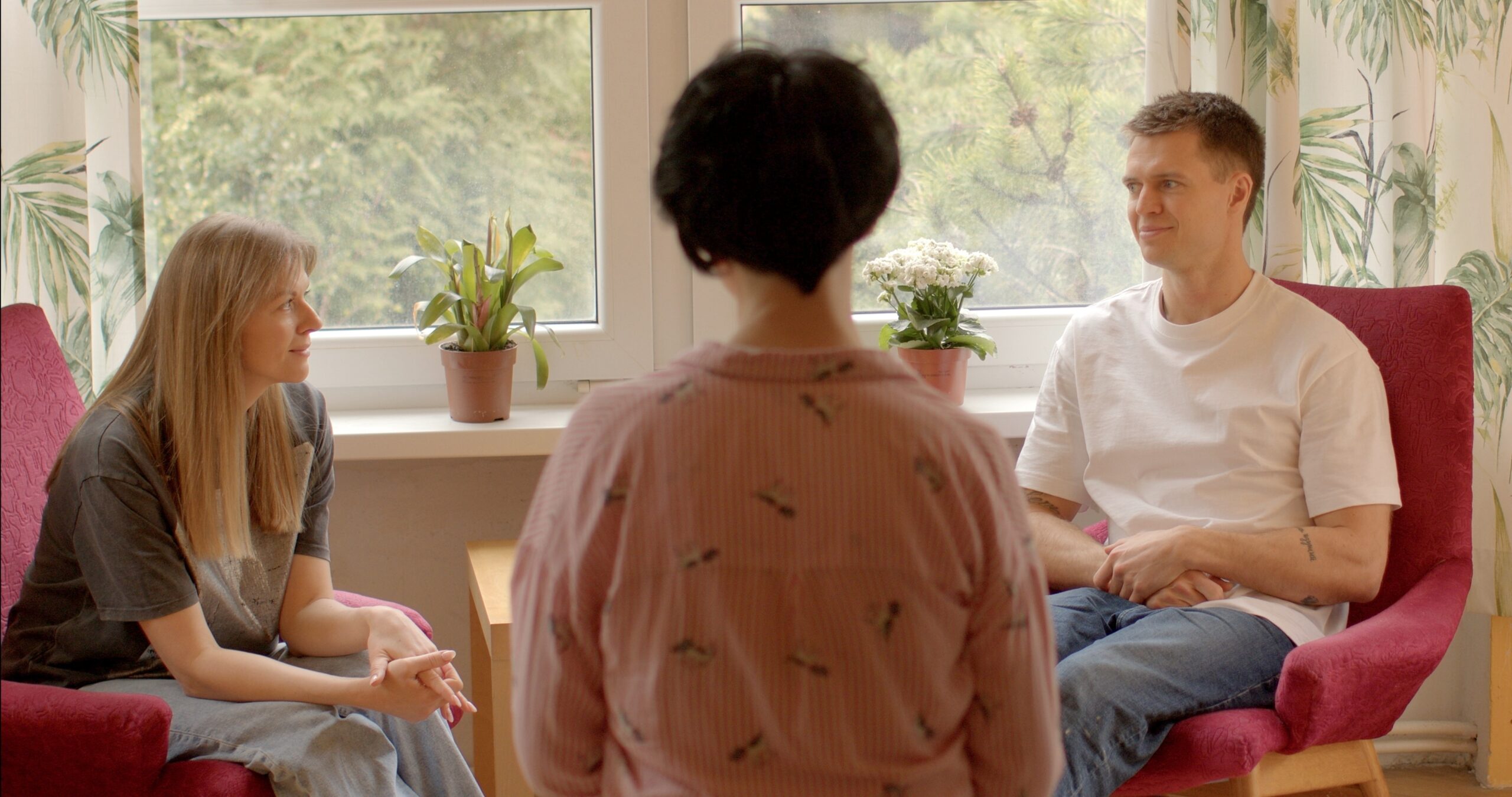
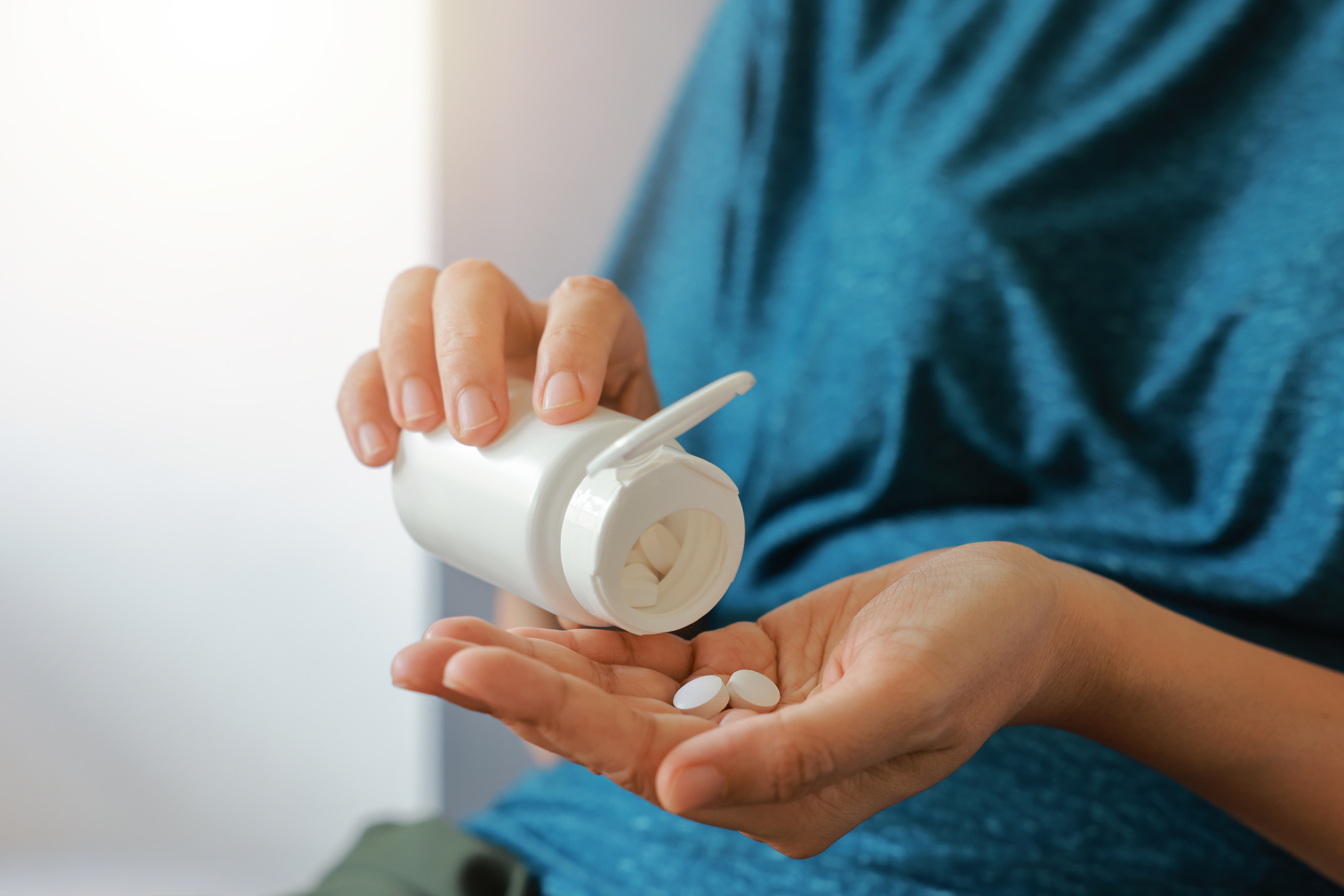
Seeing a family member struggle with addiction to prescription painkillers or street drugs can drain you physically, mentally, and emotionally. You may feel stuck or unsure of how they went from taking a medically prescribed pill to needing more and more to function. A developing tolerance to opioids is happening inside the brain that may not be obvious to the user or those closest to them.
Learning what factors can put someone at risk for opioid addiction helps eliminate shame around the disease, which can prevent people from asking for help. The first step towards lasting recovery is learning your risk factors and triggers so you can begin to make healthier choices every day.
What Are Opioids?
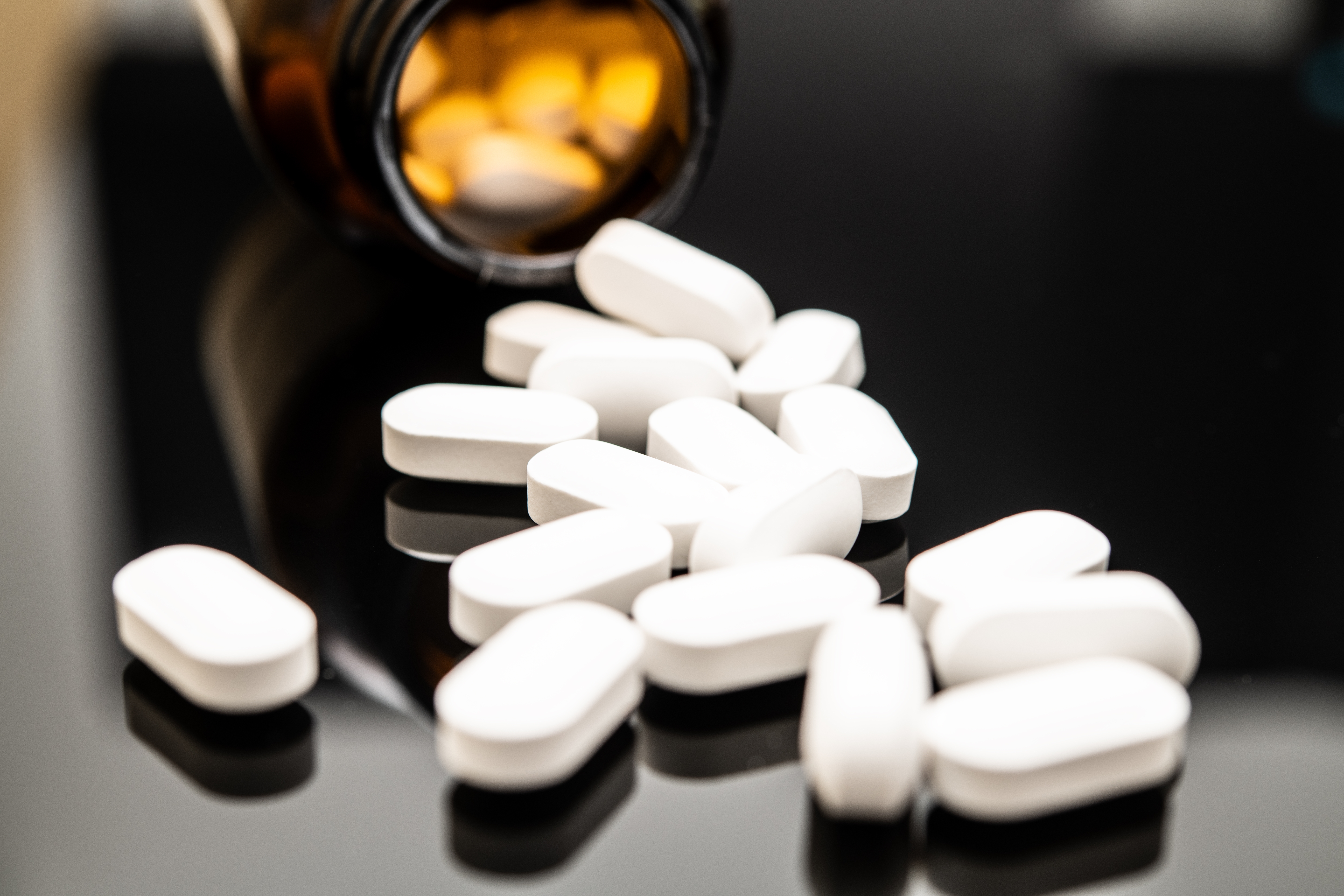
Technically, opioids are any medication used to block pain. Pain signals are intercepted by receptors in your brain and spine when you take opioids, and dopamine (pleasure chemical) is released in excess. Opioids include both prescription pain relievers like Oxycodone, Hydrocodone, and Morphine as well as synthetic opioids like Fentanyl and illicit opioids like heroin.
Anyone who abuses opioids is at risk for opioid addiction. Dopamine is often referred to as the “feel-good” neurotransmitter. However, prolonged opioid abuse can cause your brain to stop producing dopamine on its own. When you take opioids, your brain chemistry is altered to need the drug to both feel good and function normally. Opioid use disorder is a chronic disease of the brain that requires medical and therapeutic intervention to manage.
Common Prescription Opioids
- OxyContin (Oxycodone)
- Vicodin (Hydrocodone)
- Duragesic (Fentanyl patches)
- Codeine
Key Risk Factors for Opioid Addiction
It’s important to note that just because someone has one or more risk factors for opioid addiction doesn’t mean they will develop opioid use disorder. Certain biological and environmental factors can influence whether or not a person will become addicted to opioids.
Biological Influences
Like any other mental illness or disease, addiction can sometimes be inherited. If you have a parent or sibling who struggled with drug abuse or alcoholism, you are at an increased risk for addiction. Studies show that your risk of addiction based on family history is about 50 percent.
Your environment also has a strong influence on your likelihood of becoming addicted to opioids. Early exposure to drugs, high stress levels, and a lack of supportive friends and family can cause you to seek the numbing effects of opioids. Mental health illnesses like depression, anxiety and PTSD are also risk factors. Often those struggling with drug abuse and alcoholism are self-medicating pain without even realizing it.
The length of time you take a prescribed opioid can also play a huge role in your risk of abusing opioids. The longer you take an opioid for pain management, the more tolerant your body will become to that specific dosage. You may feel the need to increase your dose to receive the same pleasurable effects, activating your brain’s reward circuit.
Common Signs of Opioid Use Disorder
You may notice yourself or someone you care about taking opioids more frequently. Maybe they tell you they have a problem, but are unable to stop using it on their own. Perhaps you’ve noticed small changes in their behavior that coincide with opioid use.
Symptoms of opioid use disorder include: inability to control how much and how often you use opioids, even though it interferes with your daily life. Some people with opioid use disorder will “doctor shop” to get multiple prescriptions or spend their days thinking about how to get their next high.
Withdrawal symptoms like vomiting, muscle aches, and a runny nose are also signs that your body has developed a physical dependence on opioids. You may also become isolated from your friends and family, start to use privately and secretively, or notice your performance at work and school slipping.
When to Seek Help for Opioid Use Disorder
There’s no better time than now. Many people make the mistake of thinking they need to hit rock bottom before asking for help. Unfortunately, rock bottom can mean overdose and death when it comes to opioid abuse. Opioids cause your breathing to slow down, and taking too much can easily lead to accidental overdose.
Additionally, if you’ve noticed you can’t stop taking opioids because you experience cravings or physical illness when you try to stop, it’s time to ask for help. Opioid use disorder treatment is also necessary if your physical health has declined due to opioid abuse, or you find that opioids are hurting your relationships with friends and family.
Opioid Addiction Treatment Options
Addiction treatment is a process that typically occurs in stages. The first step in opioid addiction treatment is medically supervised detox. During this stage, you’ll be monitored by medical professionals and given medication to help curb your withdrawal symptoms.
Many people undergo medication-assisted treatment along with behavioral therapies to treat opioid addiction. Medications like methadone, buprenorphine, and naltrexone are used during this stage to ease cravings and re-regulate your brain chemistry.
Most people find success in an outpatient substance use treatment program. Outpatient treatment allows you to live at home and care for your family while receiving professional treatment for your addiction. In outpatient care, you’ll meet with a group of recovering addicts for group counseling, meet with your therapist one-on-one, and attend workshops to learn coping strategies and prevent relapse.
Call On Aspire Recovery Center | Begin Your Journey Towards Long-Term Productivity
Here at Aspire Recovery Center, we believe that everyone’s path to sobriety is unique. Our programs are tailored to meet you where you are in your recovery journey. We understand that addiction does not discriminate and takes thousands of lives each year. That’s why Aspire Recovery Center of Frisco offers a full continuum of care that provides individualized treatment options no matter what stage of recovery you’re in.
Whether you are battling alcoholism or drug addiction, we are here to help you learn how to manage your disease in a comfortable and therapeutic environment. Our substance use treatment center accepts both private and commercial insurance to make your recovery accessible and affordable. As a professional who needs discreet care or a concerned family member looking to help your loved one, we are here 24/7 to provide you with the support you need.
You’re not alone in this fight. Allow us to guide you through evidence-based relapse prevention strategies and coaching so you can build a foundation for a healthier, more productive life.