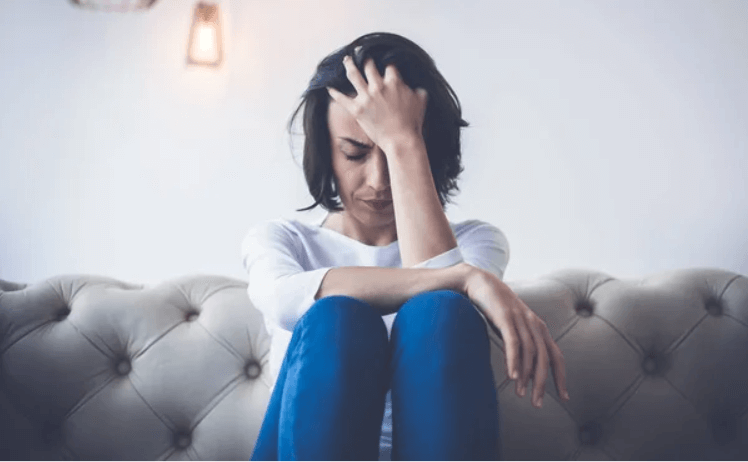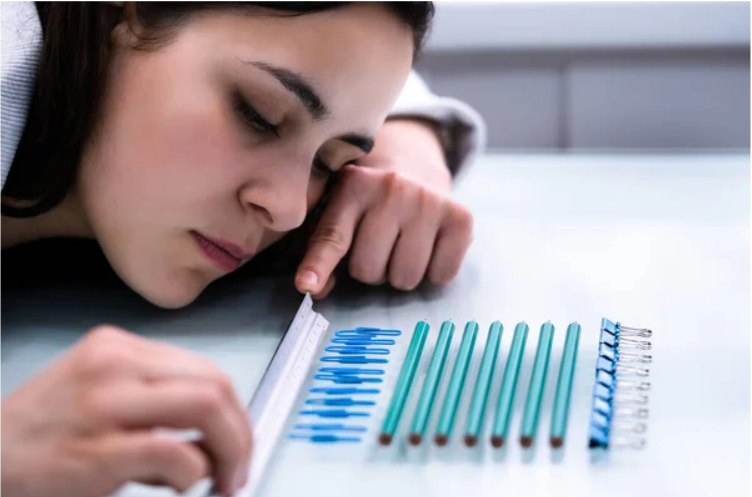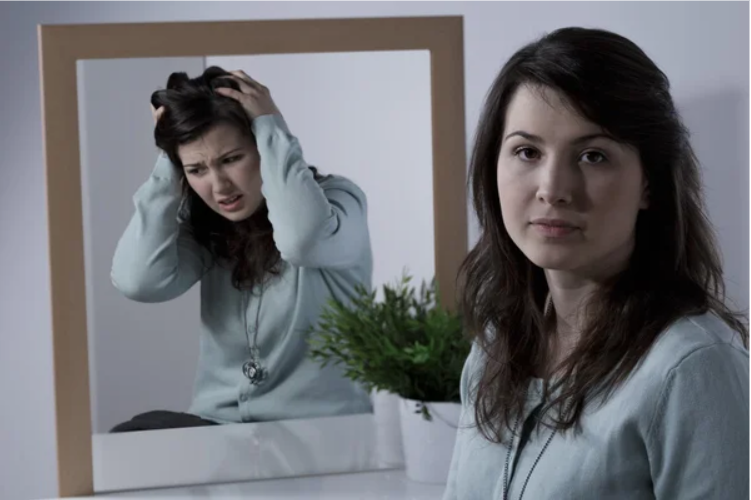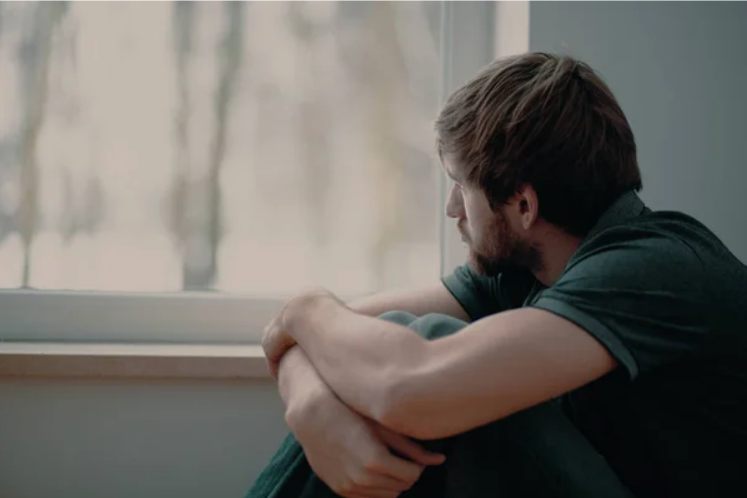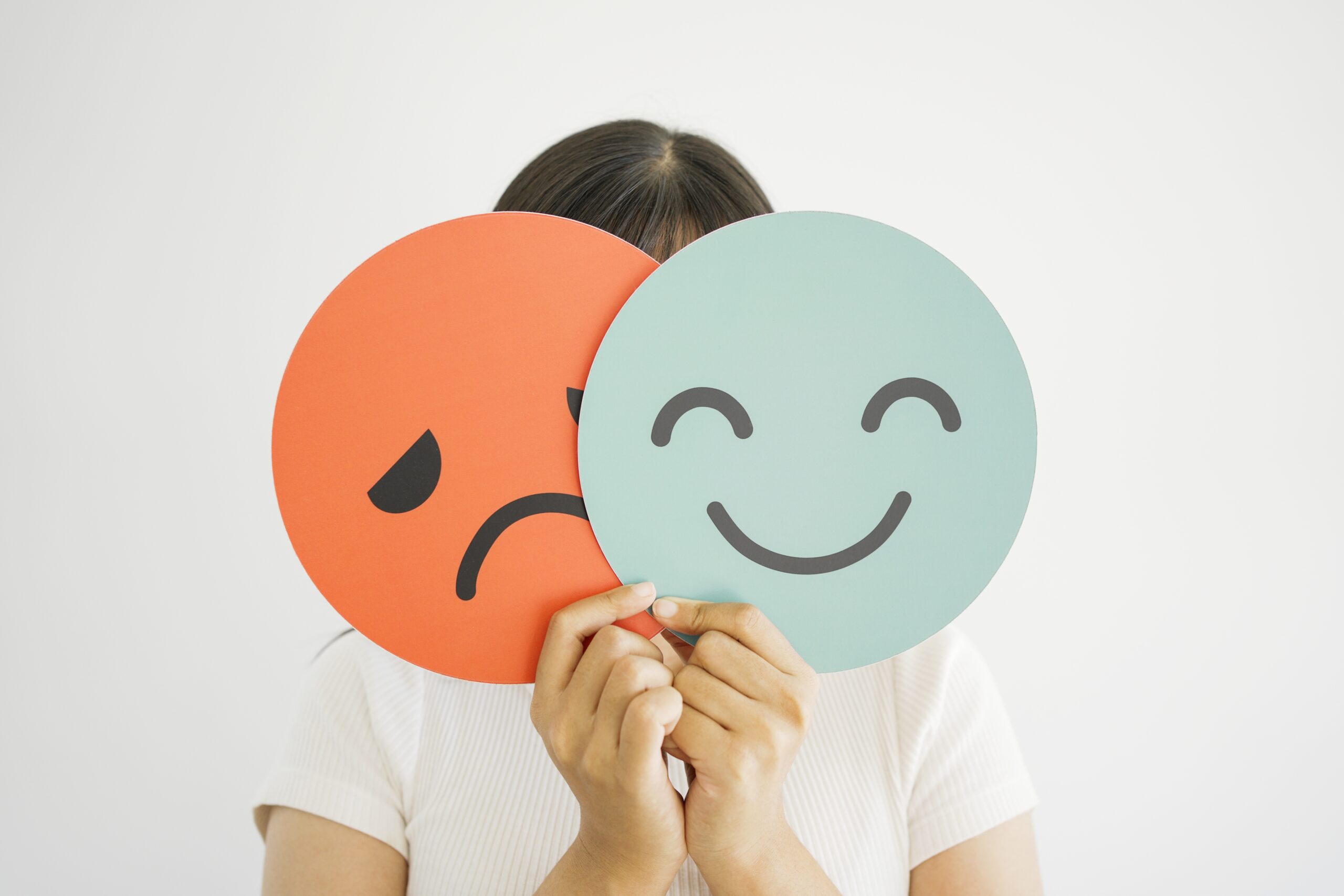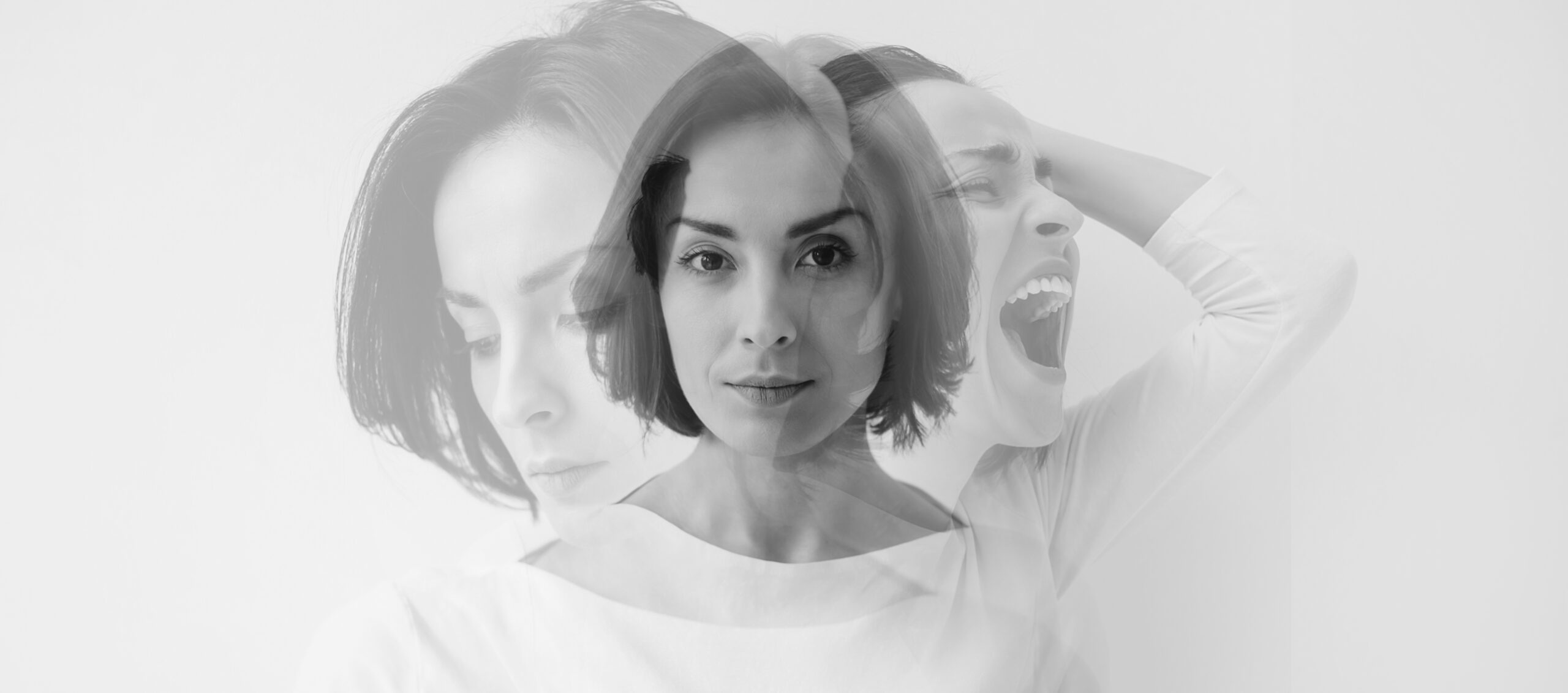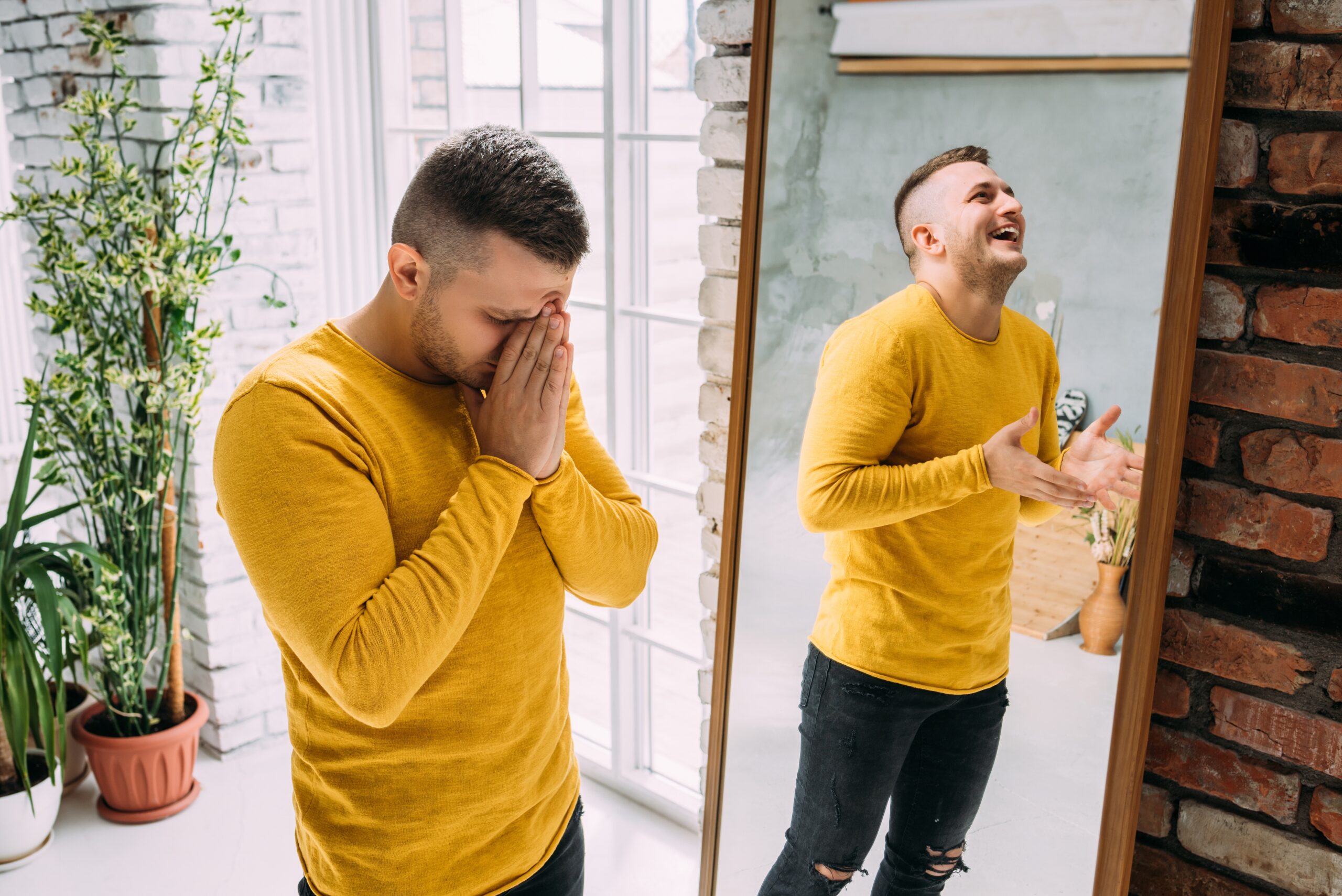

Some days, waking up might feel like you have weights strapped to your chest that you cannot shake off. Other days, it might suddenly feel like you’re moving 100 miles per hour with no idea why. Dealing with these rollercoaster emotions can take a serious toll on your overall well-being. Mood disorders are complicated illnesses that cause people to feel down, or unusually “high,” and can affect millions of Americans.
So what exactly are mood disorders? Let’s dive into everything you need to know about types of mood disorders, symptoms to look out for, and how to seek treatment.
What Are Mood Disorders?
What causes mood disorders? While every person is different, there is not typically one distinct cause. Mood disorders are often triggered by a variety of factors, including:
- Biochemical factors refer to the chemical messengers in your brain that regulate your emotions. Research has shown that when there is an imbalance of these chemicals, including serotonin, dopamine, and norepinephrine, people tend to experience emotional disorders.
- Genetic history plays a role as well. If you have a family history of depression or bipolar disorder, you are more likely to develop one of these disorders yourself.
- Brain Structure can affect your mood as well. Your brain may process information and emotions differently from another person’s. Not to mention, if you have experienced high levels of stress or trauma, your brain will process those emotions as well.
- Environmental factors can trigger depression. For example, the death of a loved one, high stress at work, or even trauma can trigger your mood disorder to begin.
As you can see, there are many different causes of mood disorders. More often than not, when someone asks “what are the causes of mood disorders?” it typically boils down to a combination of you having a genetic predisposition and being in a high-stress environment. This combination can cause your brain to go into overdrive when trying to find your “normal” mood.
Types of Mood Disorders
As mentioned before, there are two categories that mood disorders fall under.
Depressive Disorders
Depressive disorders are just as their name suggests, depressive. This means that people who suffer from depressive disorders experience longer periods of sadness or “down” emotions, much longer than typical feelings of sadness.
- Major depression disorder (MDD) is when you feel “low” for at least 14 straight days. You will find that this feels like your new normal and struggle to remember what happiness feels like.
- Persistent depressive disorder is when you feel “low” for longer than two years. Oftentimes, this is what people refer to as depression.
- Seasonal depression occurs when you feel “low” during a specific season. This is common for people who experience depression during the winter months.
Bipolar Disorders
Bipolar disorders are characterized by emotional highs and lows. When you feel “high” we refer to this as mania. People with bipolar disorders will experience episodes of mania.
- Bipolar I Disorder is when a person experiences episodes of mania that typically last for a week or are severe enough that they need to be hospitalized.
- Bipolar II Disorder is when you experience less intense periods of mania, referred to as hypomania. Bipolar II sufferers will experience depressive episodes as well.
- Cyclothymic Disorder is when you experience periods of depression as well as hypomania.
Signs & Symptoms of Mood Disorders
Spotting the signs of mood disorders can be tricky. Most people experience good days and bad days where they feel sad or “high.” So how can you tell if you or a loved one need to seek help? If you experience the symptoms below for extended periods of time, it may be time to seek help.
Emotional symptoms:
- Hopelessness
- Loss of interest
- Excessive guilt
- Anxiety
- Irritability
Physical symptoms:
- Appetite changes
- Sleep difficulties
- Fatigue or loss of energy
- Difficulty concentrating
Mood Disorder Treatment Options
Mental health treatment works! The majority of people see the greatest results when they utilize a combination of treatment methods.
Talk Therapy
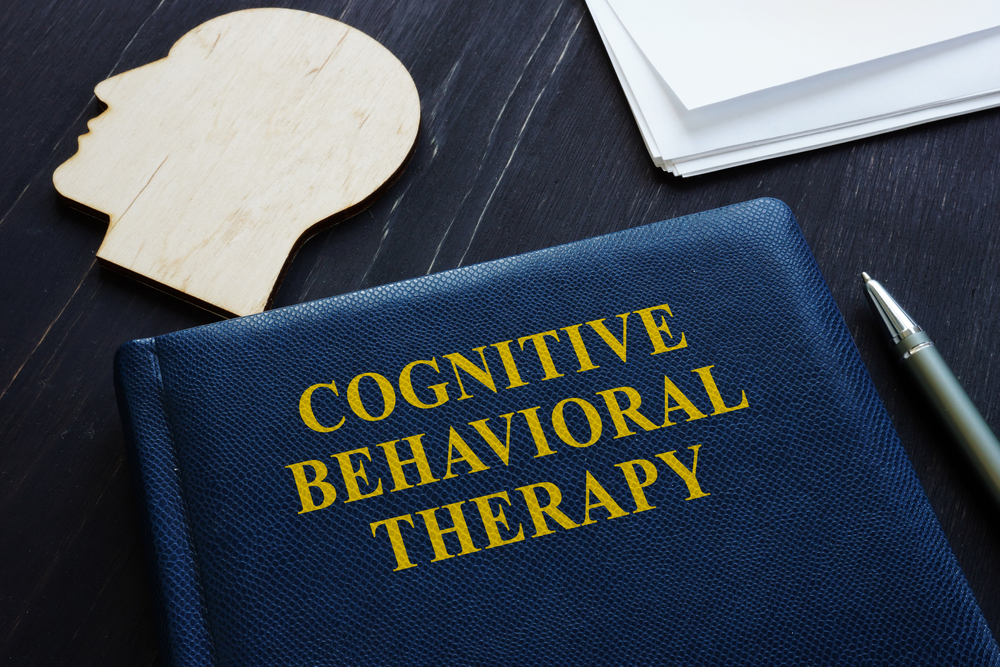
Typically conducted by a licensed mental health counselor, talk therapy helps you identify negative thought patterns and develop healthy coping mechanisms when those thoughts arise. Cognitive Behavioral Therapy, also known as CBT, is extremely common for those looking to overcome mood disorders. CBT helps you shift your perspective when a negative thought intrudes on your day.
Medication Management
In conjunction with talk therapy, many people rely on medications to help manage their brain chemistry. Antidepressants can help you feel less “down” and medications like mood stabilizers can help treat bipolar disorders.
Healthy Living
Exercise, diet, and sleep all play a huge role in your mental health as well. The better you fuel your body with helpful activities and healthy food, the easier it will be to recover. Support groups are also a great way to meet people who understand what you are going through. It can be incredibly isolating to feel “high” or sad for no reason. Being around others who know will make you feel at home.
Finding Mental Health Treatment in Frisco, TX
If you need more support than what weekly counseling can provide, but don’t feel like you need around-the-clock care, mental health outpatient treatment may be perfect for you. Mental health outpatient programs allow you to come to a facility for intensive care during the day and spend time with your family or at work in the evening.
Here are some benefits of mental health outpatient treatment:
- You get to practice what you learn in your day-to-day life
- You can schedule treatment around your career or schooling needs
- Spend time healing with others who understand
At Aspire Recovery Center of Frisco, we want to make sure you find a treatment center that specializes in you. We’re proud to say that we offer personalized care for those right here in your hometown. Whether you are a high-functioning individual who’s hit rock bottom, or you think your child may have developed depression, we can help.
Aspire Recovery Center | We’ll Help You Find the Right Path
Every person’s recovery will look different. That is why we specialize in offering intensive outpatient mental health and substance abuse treatment in Frisco, Texas. Our patients come from all over DFW to benefit from our individualized treatment plans developed by our team of medical directors, counselors, and support staff. We treat you, the whole you, not just your symptoms. Both of our Partial hospitalization programs (PHP) and Intensive outpatient programs (IOP) can provide you with the evidence-based care you deserve.
If you or someone you love is ready to take that next step forward, we are here to walk alongside you.