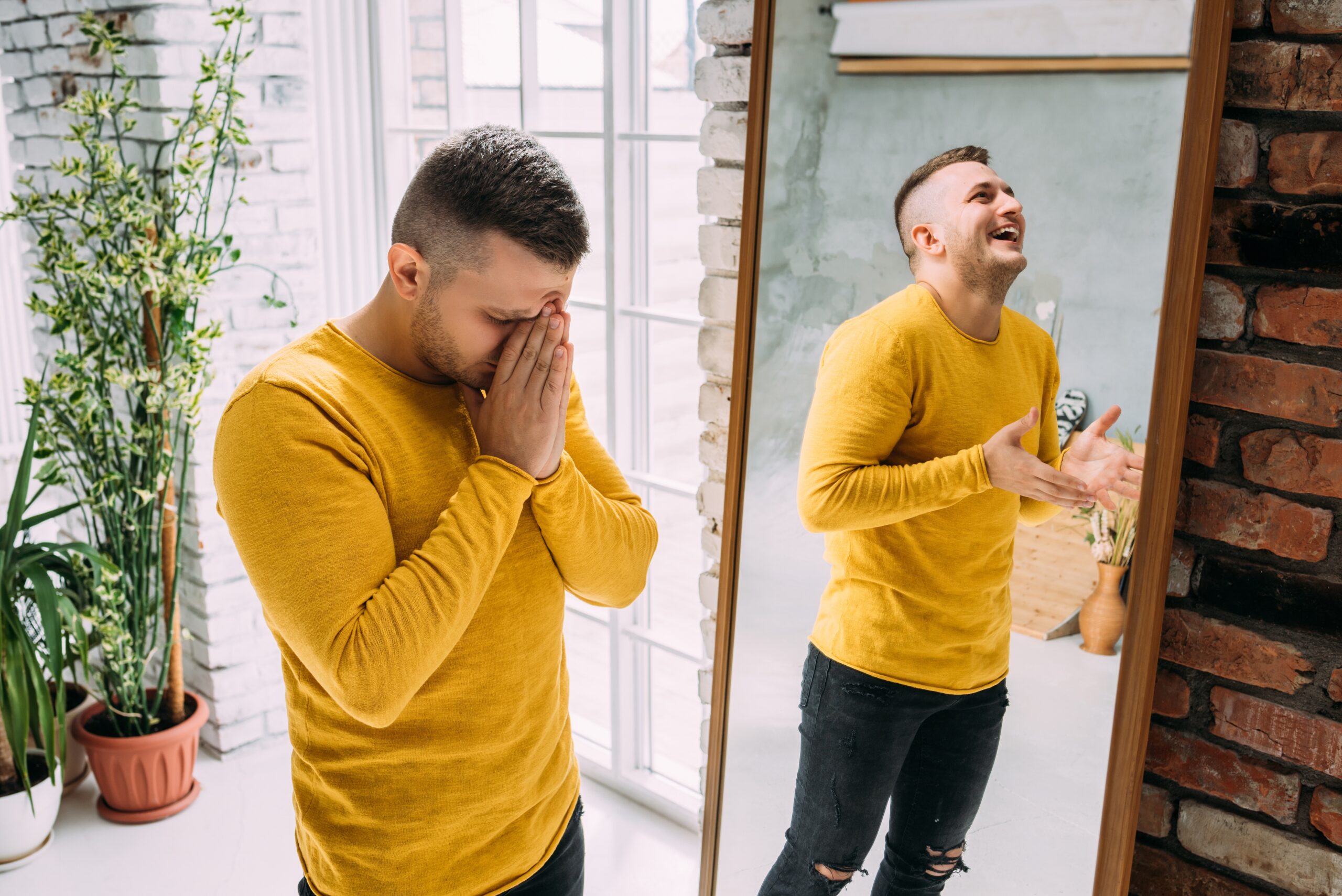
Men hold things inside. We know this because even though they are taught from a young age not to express emotions, every man you know is silently screaming inside. Boys and men are under this immense pressure to be strong and figure it all out. But no one is perfect. Society has conditioned us to think that asking for help is weak or burdensome.
It’s not. If you or someone you love is struggling to keep your head above water, it’s okay to let someone else toss you a life preserver. Learn more about men’s mental health below.
Why Is Men’s Mental Health Important?
Helping others with their emotional wellness is important for the betterment of society as a whole. But why is men’s mental health important?
Men’s mental health is important because when a man suffers, everyone around him suffers. Men are less likely to seek help for depression or anxiety, but are far more likely to die by suicide.
Depression does not mean sadness, and anxiety does not always feel like worry. Ask your guy friend how he’s doing; you may be surprised to find he doesn’t know how to answer that question.
When a man is mentally healthy, he shows up better for his family, his job performs well, and he doesn’t manifest any physical problems that are typically caused by stress.
Men who practice good mental health can also set a great example for their kids. Emotional well-being should be taught early and practiced often. If we can normalize checking in on a mental state with our sons, we can break the cycle of the “stoic provider”.
Helping men seek help with their mental clarity benefits everyone.
The Most Common Mental Health Disorders In Men
Mental illness does not discriminate. Every demographic experiences mental health issues at some point in their lifetime. However, there are some mental health disorders in men that may be more common or show up differently.
- Depression
- Anxiety Disorders
- PTSD
- Substance Use Disorders
Depression can come with feelings of anger, irritability, physical pain, or escapism. Anxiety can feel like panic attacks or periods of restlessness. PTSD is commonly associated with veterans, but it can affect any person who experiences trauma. Drug and alcohol abuse are typically more common in men, as many try to “self-medicate” their emotions.
Keep in mind that men’s mental health symptoms may not always show up quite as you think they will. If your normally sweet father is suddenly “short-tempered” with the kids or if your husband has been “checked out” at work, he may be depressed.
Signs And Symptoms Of Men’s Mental Health Issues
Let’s talk about some signs and symptoms of men’s mental health issues. Because men don’t like to openly share feelings, we often have to look for clues. We may see a man take out his frustrations on his family because he can’t express why he is upset. Some men will complain of physical ailments when in reality, they are depressed or anxious.
Other symptoms may include:
- Withdrawal from friends or family
- Sleeping too much or too little
- Risky behavior
- Decreased hygiene
- Unexplained headaches or digestive issues
If you or someone you know is feeling persistently sad, worried, or stuck for more than 2 weeks, your brain is struggling to cope.
When To Seek Professional Help For Mental Disorders
There is no magic formula for knowing when to seek professional help for mental disorders. Sadly, most men wait until they are experiencing a complete breakdown before getting help.
If you have to force yourself to get out of bed each day, make an appointment. If your thoughts are consistently dark or intrusive, make an appointment.
You know your situation best. If you feel like you should be able to “handle it” but everyone around you is telling you that you need help, maybe it’s time to listen.
Professional therapists and doctors can give you the tools you need to properly communicate with your loved ones and develop healthy coping mechanisms. There are countless treatment options that do not require you to step away from your responsibilities. Ask about outpatient mental health services.
Barriers Preventing Men From Seeking Help
There are a variety of reasons that men tend to avoid seeking help. The biggest barrier is social stigma. Men don’t want to be diagnosed with a mental illness because society has told them that means they are weak or broken.
Many men pride themselves on being the “strong, supportive rock” that their family doesn’t have to worry about. If you’re struggling, that means you’re failing your family. This cyclical thinking can be incredibly detrimental to both your mental and physical health.
Some men suffer because they don’t know how to describe what they are feeling. Go to therapy with the goal of finding vocabulary for your emotions. If you weren’t raised in a household that talked about feelings, it can be scary to sit across from a stranger and have them ask you how you feel.
Some men simply don’t have the time. We live in an incredibly fast-paced society where taking a couple of days for mental health can mean losing your job. If you’re the main provider for your family, taking time for yourself can feel selfish.
Support Men’s Mental Health Awareness Month
Each year, there are various organizations helping to support Men’s Mental Health Month. June is Mental Health Awareness Month for men. Increased male awareness can reduce the overall health burden by encouraging early diagnosis and treatment of preventable health problems among men and boys.
Every June, local cities like Frisco hold events to spread awareness. Help support men’s mental health by checking in on the men in your life.
Grab your boyfriend, husband, grandpa, dad, uncle, or nephew and ask them how they are doing. Literally ask, “How are you really doing?“. If they say they’re fine and you know otherwise, please insist.
How to Help | Men’s Mental Health
You love the men in your life and want to support them however you can. How do you help men’s mental health?
Men need the people they love to check in with them without judgment. Tell him that therapy doesn’t “fix” people. Tell him it takes courage to open up and allow someone to know your truth.
The best thing you can do is to help them find the help they need. Research some local providers or offer to drive them to their appointment. Men’s mental health is just as important as anyone else’s and should be treated as such.
Tips for Supporting the Men In Your Life
- Ask questions and don’t brush him off.
- Let your man know it’s okay to not be okay.
- Pay attention to mood shifts and bring them up.
- Allow him to feel all of his emotions without judgment.
- Don’t give up on him if it takes him a while to recover.
He will love you for it.
Find Mental Health Treatment In Frisco, Texas
If you’re a man struggling to meet your own expectations of mental toughness, know that you’re not alone, and help is available. Here in North Texas, you can find mental health treatment in Frisco that understands the unique pressures men face day in and day out.
With reasonable hours and customizable programming, we’ll work around your schedule to help you learn how to manage life’s stressors and feel good about who you are. Our outpatient services are ideal for men who need to be active parents or hold down a full-time job while receiving treatment.
Call On Aspire Recovery Center | Your Partner In Sustainable Wellness
At Aspire Recovery Center of Frisco, we know that every person’s path to wellness looks different. As a mental health treatment center, we strive to provide our clients with specialized, evidence-based care that will allow them to achieve their goals and live a life of recovery. We believe in empowering our clients to build a strong foundation for long-term living.
Our mental health treatment center has top-rated licensed mental health counselors who oversee our clients’ individualized treatment plans and to make sure they are following our recovery plan. Reach out to Aspire Recovery Center of Frisco today to learn how we can help you get on the path to recovery.