People use prescription drugs to ease their pain, anxiety or to stay focused on tasks. While these drugs can be very beneficial to a persons life they can also become highly addictive. Prescription drug abuse can quickly become a serious health issue if a person continues to use these medications illegally. Its important to know what prescription drug abuse is, what signs to look for and what prescription drug abuse treatment options are available to regain your health.
There are many things that go into treating a person who is addicted to prescription drugs. Not only do we have to address the physical aspects of drug addiction but we also need to address the reasons that led a person to use these drugs in the first place. If you or a loved one are struggling with prescription drug abuse know that there are treatment options available to you.
What Is Prescription Drug Abuse?
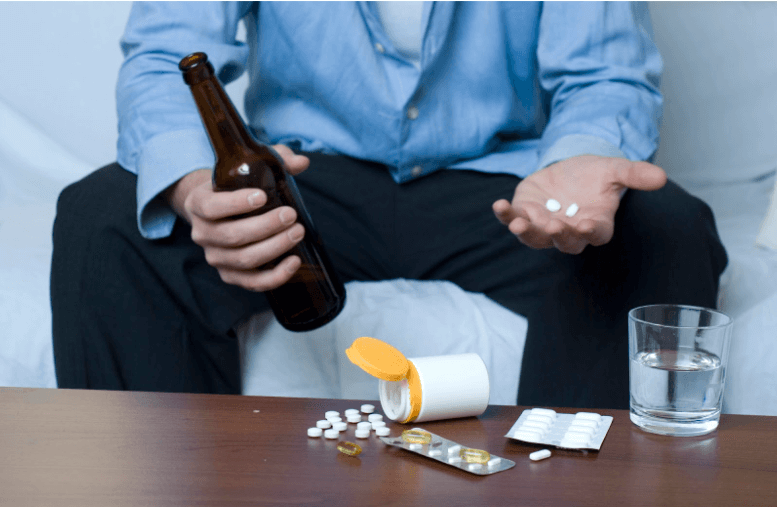
Using a prescription medication in a way or at a dose that was not prescribed to you by your doctor is considered prescription drug abuse. Prescription drug abuse can also occur when you take a prescription that was not prescribed to you. Taking more than your doctor has prescribed you to get a high or using the medication to feel good are all examples of prescription drug abuse.
Some people may think that because these drugs are prescribed by a doctor they are not as harmful as other illegal drugs. However, when you abuse prescription drugs your brain chemistry can change and lead to prescription drug addiction.
What Drugs Can Cause Prescription Drug Addiction?
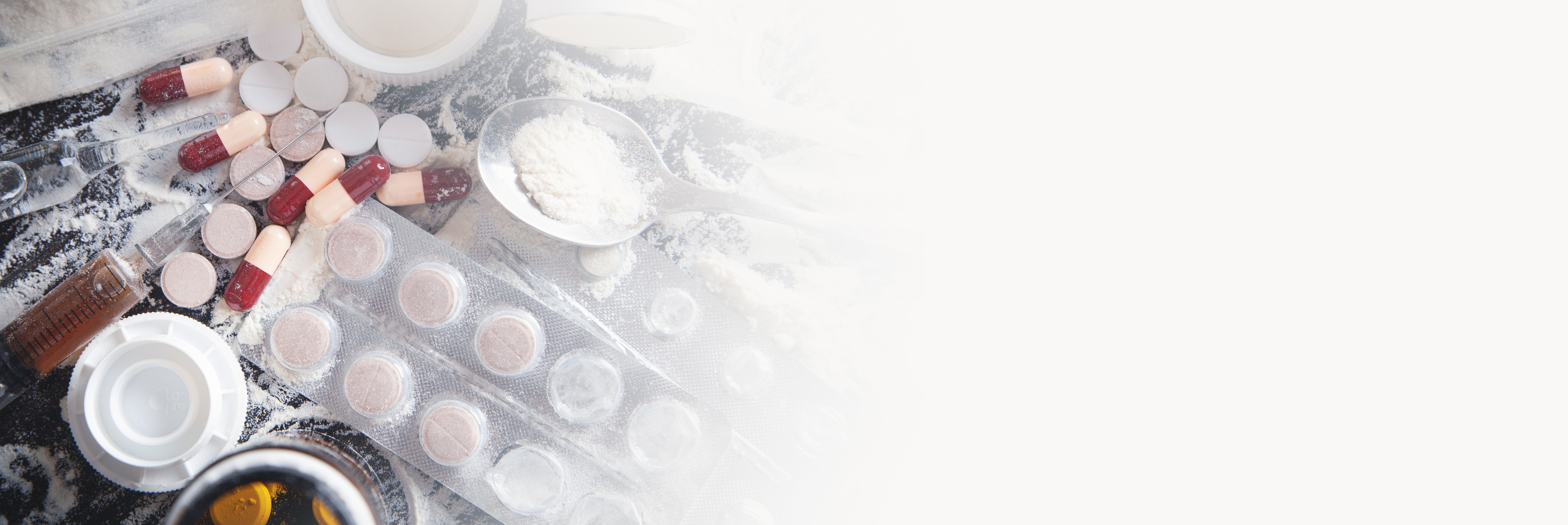
There are many different types of prescription drugs that can lead to addiction. Below are the three most common types of drugs that can cause prescription medication addiction.
Opioids
Opioids are used to treat pain. Oxycodone, Hydrocodone, Morphine and Fentanyl are all examples of opioid drugs. Opioid drugs work by binding to opioid receptors in your brain to block pain signals. When your body becomes accustomed to opioids it will need more of the drug to feel the same effect.
Benzodiazepines and Depressants
Drugs such as Alprazolam, Diazepam and Lorazepam are used to treat anxiety and panic disorders. These drugs can also be prescribed to people who have trouble sleeping. Benzodiazepines and depressants slow down your central nervous system. If you abuse these types of drugs, you can experience heavy sedation and impaired movement. Withdrawal can be very dangerous when stopping these drugs.
Stimulants
Stimulants are commonly prescribed to people who suffer from ADHD and Narcolepsy. Drugs such as Methylphenidate and Amphetamines can cause an increased heart rate, blood pressure and body temperature. If you abuse these drugs you can become addicted and experience severe withdrawal symptoms when you stop using them.
What Are Some Signs of Prescription Drug Addiction?
If you or someone you know is abusing prescription drugs there are some signs you can look for. These signs can help you identify if a person is addicted to prescription drugs and in need of prescription drug abuse treatment.
- Behavioral changes
- Taking more medication than was prescribed to you
- Visiting multiple doctors or pharmacies to obtain more medication (Doctor Shopping)
- You cannot stop using even if you want to
- You continue to use despite negative consequences at work/school or with family
Are you addicted to prescription drugs? Ask yourself these questions:
- Are you waiting for your medication to wear off so you can take more?
- Have you lied to your doctor about how you feel to get a higher dose?
- Are you taking more than your doctor has prescribed you to feel good?
- Do you experience withdrawal when your medication wears off?
If you answered yes to any of these questions you may be addicted to prescription drugs. There are many resources available to you that can help with drug addiction help.
How Do You Treat Prescription Drug Addiction?
When it comes to substance use disorder treatment there are many things that go into creating a treatment plan. Everyone’s body reacts differently to drugs so it’s important to know what type of drug your patient is addicted to.
Medical Evaluation and Detox
The first step in treating prescription drug addiction is to evaluate your patients medical needs. Once your patient is evaluated they can be detoxed from the drugs they have been abusing. Some patients will need to medically detox from certain drugs.
Therapy
There are many types of therapy that can be used to treat prescription drug addiction. Cognitive Behavioral Therapy helps your patient learn to deal with their problems in a healthy way. Your patient will also have the opportunity to talk about why they became addicted to prescription drugs.
Medication-Assisted Treatment
If your patient is addicted to opioids they may benefit from medication-assisted treatment. There are many medications that can help your patient not feel as if they need to use prescription drugs.
Peer Support Groups
Once your patient completes their treatment plan they should be given the opportunity to join peer support groups. This will allow your patient to meet others who are going through the same situation and can offer support during their journey to sobriety.
What To Expect From Prescription Drug Addiction Treatment
There are many things to expect when you begin your journey to prescription drug abuse treatment. Below are some things you can expect when entering a treatment facility.
1. Assessment
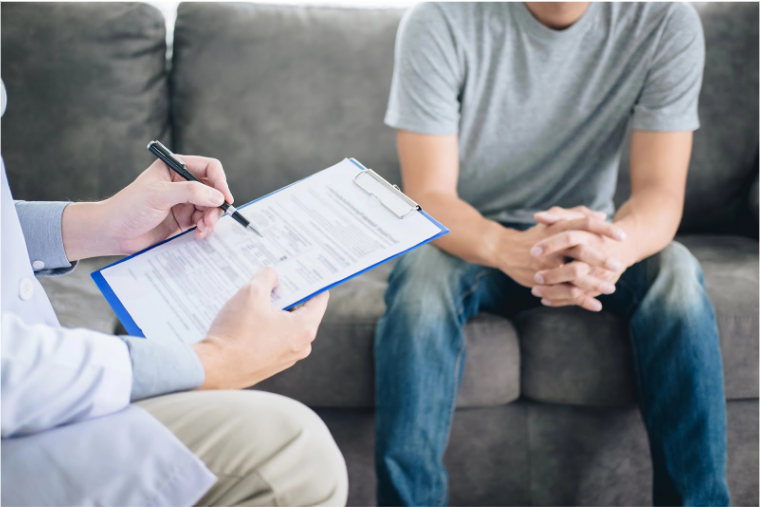
When you arrive at a treatment facility you will be assessed by medical professionals. They will ask you questions about your medical history and what drugs you have been abusing.
2. Treatment Plan
Once your assessment is complete a treatment plan will be created for you. Your treatment plan will include things you can do while in treatment and after you leave the facility.
3. Treatment
During your time in treatment you will participate in many different therapies. These therapies will help you learn how to live a healthy sober life.
4. Aftercare
Before you leave a treatment facility you will be given an aftercare plan. This plan will help you stay sober after you leave treatment.
How Can I Help a Loved One Who Is Addicted to Prescription Drugs?
If you have a loved one who is addicted to prescription drugs there are things you can do to help them.
Learn About Prescription Drug Addiction
Educate yourself on what prescription drug addiction is and how it affects your loved one. There are many resources available that can teach you about this topic.
Set Boundaries
It’s important to set boundaries with your loved one who is addicted to prescription drugs. You should not enable their drug use by giving them money or covering for them when they are high.
Help Them Find Prescription Drug Abuse Treatment
Let your loved one know that you care about them and want them to get better. You can help them find treatment by looking up facilities in your area or calling a helpline. If your loved one is in danger of harming themselves call or text 988 to reach the Suicide and Crisis Lifeline or call 1-800-662-HELP (4357) to reach the SAMHSA National Helpline.
Outpatient Drug Treatment Near You | Aspire Recovery Center of Frisco
You can get your life back from drug addiction with the right treatment. Aspire Recovery Center of Frisco offers outpatient treatment that will fit your lifestyle. We offer Intensive Outpatient Programs (IOP) that will allow you to receive the care you need while living your day to day life. If you or a loved one is struggling with prescription drug addiction reach out to Aspire Recovery Center of Frisco today.
Frequently Asked Questions
What is prescription drug abuse?
Prescription drug abuse is when a person uses a prescription drug in a way that was not intended by their doctor. They may take more than was prescribed or take the drug to get high.
How is prescription drug addiction treated?
Prescription drug addiction can be treated with therapy, detox and medication assisted treatment. There are many different options when it comes to prescription drug abuse treatment.
What are the signs of prescription drug addiction?
Some signs of prescription drug addiction are taking more than was prescribed to you, doctor shopping, mood changes and you can’t stop using even if you want to.