Marijuana was long portrayed as a harmless weed with no possibility of addiction. Fast forward to legalization and strains more potent than ever before, and we now know that isn’t true. If you or a loved one are questioning marijuana use or abuse, now is the time to learn the facts about cannabis use disorder.
What Is Cannabis Use Disorder?
Cannabis use disorder (CUD) is a diagnosable mental health condition that occurs when people continue using marijuana despite experiencing significant problems related to health, day-to-day function, relationships, or occupation.
Cannabis use disorder is classified as mild, moderate, or severe by the Diagnostic and Statistical Manual of Mental Disorders, Fifth Edition, Text Revision (DSM-5-TR) based on the number of symptoms present.
When someone uses marijuana repeatedly over their lifetime, their brain’s cannabinoid receptors downregulate. Your body produces two endocannabinoids naturally, called CB1 and CB2. THC, when consumed repeatedly, essentially tricks your body into believing it is regularly produced. Thus, your brain stops activating your cannabinoid receptors correctly and requires more THC to feel “normal.” Without weed, your body cannot produce enough cannabinoids to regulate mood, motivation, memory, and rewards, leading to withdrawal symptoms.
Cannabis use disorder is not a weakness, and it can’t be willed away. When someone develops CUD, they experience neurochemical changes that cause them to crave cannabis and feel distressed when they cannot use.
How Common Is Cannabis Use Disorder?
Marijuana is the most used federally controlled substance in the world. The Substance Abuse and Mental Health Services Administration’s (SAMHSA) National Survey on Drug Use and Health (NSDUH) reported marijuana was used by tens of millions of people last year alone. The survey estimates 20 million or more adults and youth experience cannabis use disorder annually.
There are several reasons marijuana addiction is becoming more common:
Increased THC potency
Back in the 1990s the average THC level in flower was less than 4%. Today that number has skyrocketed, with most commercially sold cannabis flower testing between 20%and 30% THC. Cannabis concentrates such as waxes, shatters, oils, and vapes can test anywhere from 80% to 90% THC. This large influx means users are introducing massively high amounts of THC to their cannabinoid receptors, building up tolerance quicker than ever before.
State & National Legalization
More states every year are passing marijuana legalization laws for medical and recreational patients. As more laws are introduced, the public’s perception of risk continues to decline. With increased accessibility and commercialization comes increased rates of daily or near daily use, which is closely linked to CUD.
Advanced Delivery Methods
Smoking isn’t the only way people are consuming marijuana. High potency marijuana vape pens allow consumers to take massive doses easily all day long. Edibles have become more potent and widely available than ever before.
Signs and Symptoms of Cannabis Use Disorder
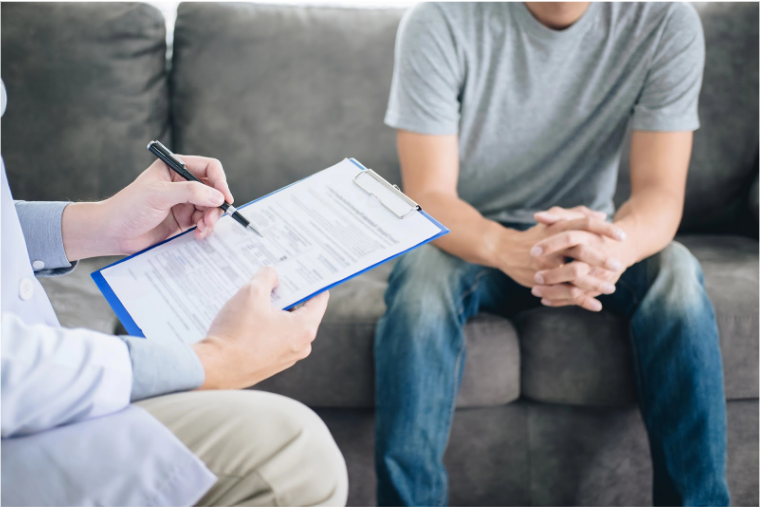
The Healthcare professional will look at the following to determine if someone meets the criteria for cannabis use disorder.
- Took larger amounts or over a longer period than was meant.
- Wanted to cut down or stop using cannabis but was not able to.
- Spend a lot of time getting, using, or recovering from cannabis.
- Experienced cravings and strong desires to use cannabis.
- Failed to meet expectations at work, school, or home due to cannabis use.
- Continued to use cannabis despite having persistent or recurrent social problems caused by marijuana.
- Reduce important activities because of cannabis use.
- Used cannabis in situations where it was physically dangerous to do so.
- Continued to use cannabis despite knowing they have a persistent physical or psychological problem that was caused or made worse by cannabis.
- Developed a tolerance to cannabis.
- Experienced withdrawal when stopping cannabis use or used cannabis to relieve withdrawal symptoms.
To receive a diagnosis of cannabis use disorder, a person must meet at least 2 of these criteria over a 12-month period.
- Mild CUD: a score of 2 to 3
- Moderate CUD: 4 to 5
- Severe CUD: 6 or more
Risk Factors for Developing CUD
Some people can use marijuana recreationally their whole life and never become addicted. Everyone’s risk of developing cannabis use disorder is different and depends on many factors.
Started Using at a Young Age
The human brain does not fully develop until around age 25. People who begin using cannabis in their early teens are about twice as likely to develop cannabis use disorder than people who start using cannabis later in life.
Mental Health Disorders
Those who suffered from mental illness before using marijuana are much more likely to develop cannabis use disorder. Conditions such as generalized anxiety disorder, major depressive disorder, PTSD, ADHD, and other disorders are linked to high rates of cannabis use disorder because people often self-medicate with marijuana.
Family History
Genetics play a role in 40% to 60% of whether an individual will develop a substance use disorder.
Daily/Near Daily High-Level Use
Using high-potency marijuana every day or almost every day is the single largest risk factor for developing cannabis use disorder.
Cannabis Use Disorder vs. Recreational Cannabis Use
Occasional marijuana use is perfectly fine; when does it become problematic? Cannabis use disorder is when people lose control over their marijuana use. The primary indications are that cannabis interferes with your ability to function, causes you distress, and you are unable to stop even though you want to.
Recreational Cannabis Use: You can stop when you want.
Cannabis Use Disorder: You’ve tried and failed.
Recreational Cannabis Use: You use cannabis as part of your recreational time.
Cannabis Use Disorder: Your life revolves around finding and using marijuana.
Recreational Cannabis Use: Work/school, home life, and relationships are unaffected.
Cannabis Use Disorder: You show decreased performance at work or school, forget to do things you once loved, and may fight with people more often.
Recreational Cannabis Use: You use for pleasure — to have a good time or relax.
Cannabis Use Disorder: You feel slightly anxious if you can’t use. You use to change how you feel, help yourself sleep, or to feel “normal.”
Recreational Cannabis Use: Experience tolerance? No idea what that means.
Cannabis Use Disorder: Need more THC to get high; ongoing, strong urges to use.
Cannabis Withdrawal Symptoms
Many people believe marijuana doesn’t have withdrawal symptoms; they are wrong. Most chronic cannabis users experience withdrawal symptoms after suddenly quitting or reducing marijuana significantly.
Symptoms begin around 24-48 hours after the last time you used marijuana and peak around 3-7 days before slowly improving over 1-3 weeks.
You may experience:
- Increased anger and irritability
- Anxiety and restlessness
- Sleep difficulties (insomnia), night sweats, and strange dreams. Your brain is experiencing something called REM rebound.
- Decreased appetite and weight loss
- Headaches, stomachache, feeling shaky, and hot flashes.
Evidence-Based Treatment Options for Cannabis Use Disorder
Cannabis use disorder is treatable, and people can recover from it. There are no medications specifically for treating cannabis addiction. Treatment typically includes psychotherapy and support groups.
Talk Therapies
Cognitive Behavioral Therapy (CBT)
CBT helps people recognize triggers that cause them to want to use marijuana (internal triggers like anxiety, boredom, and external triggers like friends, places, and times of day). Patients learn healthier ways to cope with cravings and deal with daily problems.
Motivational Enhancement Therapy (MET)
Some patients with cannabis use disorder want to stop using marijuana; however, they still enjoy the feeling of being high and want to quit. MET is therapy that explores the patient’s feelings about quitting. MET is non-confrontational and works to increase the person’s motivation from within.
Outpatient Rehab
Support groups and outpatient substance use treatment programs allow patients to live at home while attending scheduled treatment sessions throughout the week. Programs can range from standard outpatient care to intensive outpatient programs (IOP), which require 9-19 hours of therapy per week.
Inpatient Rehab
Inpatient drug rehab centers offer 24-hour treatment in a safe and structured environment. Inpatient care is generally recommended for individuals who have a severe case of cannabis use disorder and do not have a stable home environment.
Individual Therapy
Addiction counselors and therapists work one-on-one with patients to dive deeper into underlying issues that may have contributed to substance use. Individual therapy is important to provide each patient with personalized recovery care.
Group Therapy
Acting as a support group, group therapy allows users to connect with people who are going through the same thing. Patients share their experiences with drug use and recovery, which allows them to learn from others who have been in their shoes. Group therapy also allows patients to practice social skills in a safe environment and create a support system.
Are There Medications for Cannabis Use Disorder?
Currently, there are no FDA-approved medications to treat Cannabis Use Disorder. Addiction physicians may utilize pharmacotherapy to target specific symptoms of withdrawal.
Treating any co-occurring disorders, such as anxiety or depression, will help with cannabis cravings as you are no longer using marijuana to self-medicate.
Sleeping medications or anxiety medications may be prescribed short-term to help you get through intense withdrawal symptoms.
Researchers are studying medications that target the endocannabinoid system to help with withdrawal symptoms and prevent relapse. These include:
- Synthetic cannabinoids (dronabinol, nabilone)
- FAAH inhibitors
- CB1 receptor modulators
Aspire Recovery Center — Cannabis Outpatient Care
Recovery from cannabis use disorder does not end after a few weeks of outpatient substance use treatment. Just like anything you want to achieve in life, you have to put time and effort into it. People often think once you’re “clean,” you no longer have to worry about using drugs, but that is not true.
- Continued Therapy: Continue to attend therapy after rehab. Aftercare is important because life is constantly changing, and you want to make sure you have the tools you need to prevent relapse.
- Meet With Support Groups: Marijuana Anonymous (MA) and Narcotics Anonymous (NA) are two great free options to continue meeting with people who understand what you’re going through.
- Live a Healthy Lifestyle: Do things for yourself that don’t involve marijuana. Try to exercise and create a schedule you can follow. Exercising releases endorphins, our body’s natural cannabinoids.
For help with your journey back toward health and reconciliation, reach out to Aspire Recovery Center of Frisco to learn more about our outpatient substance use treatment options.
Frequently Asked Questions
Is weed addictive?
Yes. Marijuana can be addictive. Research shows that cannabis causes some people to develop a psychological and physical dependence on marijuana (cannabis use disorder). About 10% of regular users meet the diagnostic criteria for CUD. This number jumps to 17% if marijuana use started during adolescence.
How do I know if I have Cannabis Use Disorder?
If you answered yes to any of the questions above you may have Cannabis Use Disorder. The only way to know for certain is to meet with a mental health professional or addiction specialist. They can provide you with a free and confidential assessment to determine what level of care is best for you.
Can Cannabis Use Disorder be treated?
Yes! There are many options when it comes to drug rehab and recovery. CUD is very treatable with therapy and substance abuse treatment programs. Everyone at rehab helps you recover from marijuana addiction and live a fulfilling life without cannabis.
What drugs treat cannabis use disorder?
Currently, there are no medications to treat cannabis use disorder. Therapy and support groups are the best ways to overcome cannabis addiction. Once you graduate from your drug treatment program, it is vital to attend support groups and continue therapy to prevent relapse.
How effective is treatment for Cannabis Use Disorder?
Research shows that a combination of cognitive behavioral therapy, motivational enhancement therapy, and contingency management work best for treating cannabis addiction. When paired with an outpatient or inpatient drug treatment program and support groups, individuals have the highest chance of recovery.