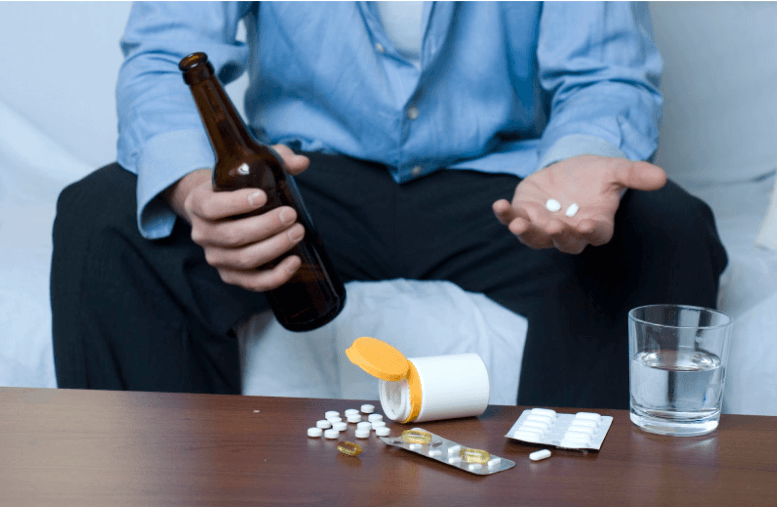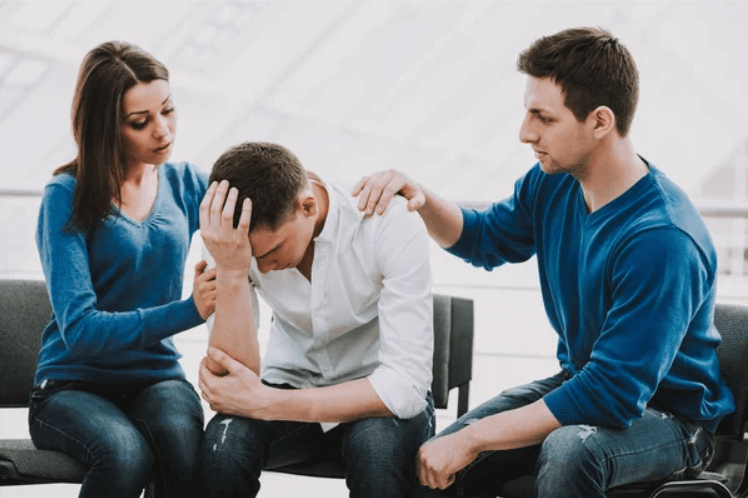
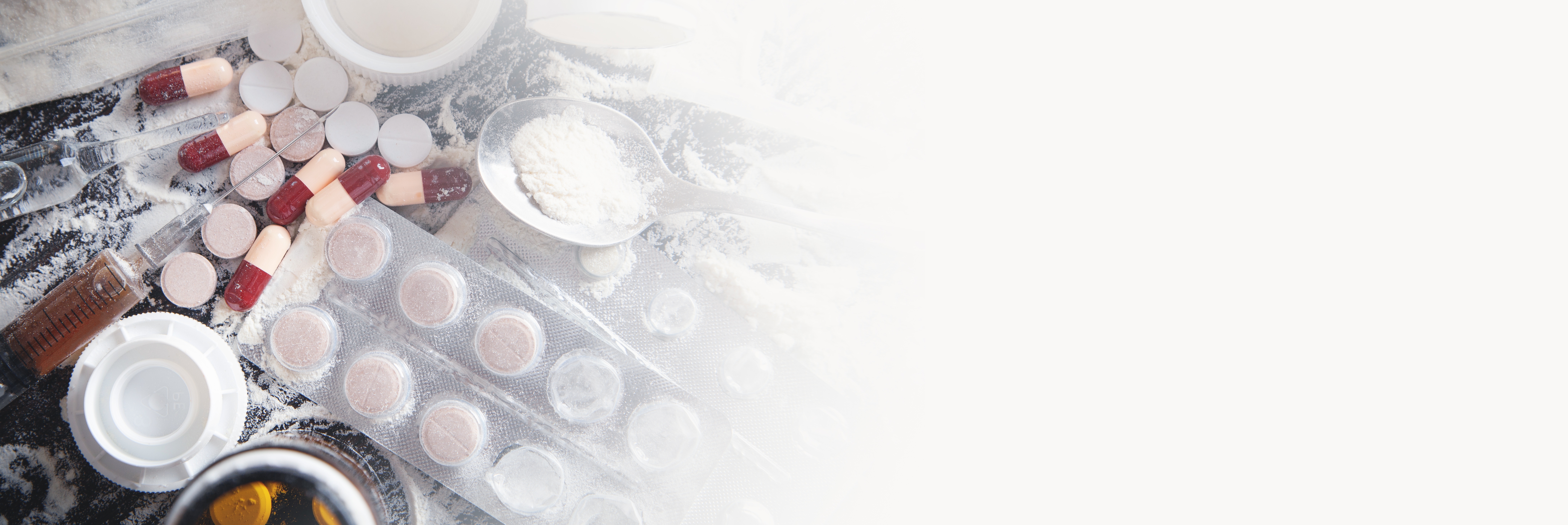
Most of us are familiar with more traditional substances, but a new and dangerous category has emerged that poses a unique threat to our community in Frisco, Texas. These substances, known collectively as synthetic drugs, are chemically engineered in laboratories to mimic the effects of illicit drugs like marijuana, cocaine, or methamphetamines. However, because they are manufactured using ever-changing chemical formulas, they are often far more potent and unpredictable than the substances they aim to imitate.
We often see these products marketed under innocuous names like “incense,” “potpourri,” or “jewelry cleaner,” frequently sold in colorful packaging designed to appeal to younger audiences. The reality behind the bright labels is much darker. These “man-made” substances contain high-potency chemicals that have never been tested for human safety. As we navigate the complexities of modern recovery, understanding the nature of these chemicals is the first step in identifying the need for a professional synthetic drug addiction treatment program.
Chemical Composition | Types of Synthetic Drugs
The world of “designer drugs” is vast and constantly evolving. Manufacturers stay one step ahead of the law by slightly altering a molecule’s structure once a specific compound is banned. This “chemistry cat-and-mouse game” results in a wide variety of substances that we encounter at our substance abuse treatment facility.
Synthetic Cannabinoids | “Spice” or “K2”
Often mistakenly called “synthetic marijuana,” these are not natural products. They consist of dried plant material sprayed with laboratory-made chemicals designed to hit the same brain receptors as THC. However, they can bind to those receptors up to 100 times more strongly than natural cannabis, leading to severe physical reactions and intense psychological distress.
Synthetic Cathinones | “Bath Salts”
These are chemically related to cathinone, a stimulant found in the khat plant. At our synthetic drugs treatment centers, we see the devastating impact of these stimulants, which can produce effects similar to cocaine or MDMA but with a much higher risk of violent behavior, acute psychosis, and heart failure. Common street names include “Flakka” or “Bloom.”
Novel Synthetic Opioids | Nitazenes and Fentanyl Analogues
Perhaps the most lethal category we address is the rise of synthetic opioids. Compounds like “ISO” (Isotonitazene) or Nitazenes are appearing in the local supply, often hundreds of times more powerful than morphine. These are frequently mixed into other drugs, meaning many individuals ingest them without their knowledge, leading to a spike in accidental overdoses.
What Are the Dangers of Synthetic Drugs?
The primary danger of these substances lies in their inconsistency. When someone consumes a synthetic drug, they are essentially acting as a human test subject for a batch of chemicals with no quality control. We have observed that even a single use can lead to life-altering consequences.
The physiological toll is immense. Users often experience rapid heart rates, extreme high blood pressure, and kidney damage. In some cases, the “synthetic high” triggers seizures or strokes. Psychologically, the impact is equally harrowing. “Spiceophrenia” — a term used to describe prolonged, drug-induced psychosis — can cause individuals to lose touch with reality for days or weeks. This unpredictability makes seeking a specialized synthetic drug addiction treatment plan essential for anyone caught in the cycle of use.
Furthermore, the risk of overdose is incredibly high. Because these chemicals are so concentrated, the margin between a “high” and a lethal dose is razor-thin. At Aspire Recovery Center of Frisco, we emphasize to our patients and their families that the “legal” or “semi-synthetic” labels often found on these products are marketing lies. There is no safe way to consume these substances.
Synthetic Drug Addiction Treatment Options
Overcoming a dependency on designer substances requires more than just willpower; it requires a structured, clinical approach. Because the withdrawal symptoms from these chemicals can be both physically painful and mentally destabilizing, we recommend a multi-phased synthetic drug addiction treatment program tailored to the individual’s needs.
Clinical Detoxification
The first step is often a supervised detox. During this phase, the body clears the toxins while medical professionals manage withdrawal symptoms such as extreme anxiety, tremors, and intense cravings. This provides the stable foundation necessary to begin the psychological work of recovery.
Intensive Outpatient Programs (IOP)
At Aspire Recovery Center of Frisco, we specialize in Intensive Outpatient Programs. We believe that for many, the best way to heal is while remaining integrated with their supportive community. Our Intensive Outpatient Program involves:
- Individual Therapy — Working one-on-one with a therapist to identify the root causes of use.
- Group Counseling — Building a “recovery family” where experiences are shared and shame is dismantled.
- Coping Skill Development — Learning how to handle stress and triggers without turning to substances.
Behavioral Therapies
We utilize evidence-based modalities like Cognitive Behavioral Therapy (CBT) and Dialectical Behavior Therapy (DBT). These tools help our clients rewire their thought patterns, moving away from the “binge and crash” cycle of addiction and toward a balanced, mindful life.
Local Support in North Texas | Treatment for Synthetic Drug Addiction
If you or a loved one is searching for a way out, finding the right synthetic drug addiction treatment in the North Texas area is critical. Our community in Frisco is not immune to this crisis, but we are also home to some of the most advanced care options available.
When looking for synthetic drugs treatment centers, it is important to choose a facility that is accredited and licensed. At Aspire Recovery Center of Frisco, we are proud to be a Texas state-licensed and CARF-accredited program. This means we adhere to the highest national standards for safety and clinical excellence. We focus on treating the whole person, not just the symptoms of their substance use.
Finding a synthetic drug addiction treatment program in Frisco, TX, means you don’t have to travel far to find world-class care. Our facility at 8380 Warren Pkwy provides a sanctuary where healing is the priority. We work closely with local doctors, therapists, and families to create a seamless web of support that extends long after the formal program ends.
Moving Toward a Brighter Future with Aspire
The rise of synthetic drugs represents a significant challenge to public health, but it is a challenge we can meet together. These substances are designed to hijack the brain’s reward system, leading to a rapid spiral of dependency and danger. However, with the right substance abuse treatment and a commitment to change, recovery is not only possible—it is a reality for many of our alumni.
We have seen individuals arrive at our doors at their lowest point, struggling with the erratic effects of synthetic use, and leave with a renewed sense of purpose and the tools to maintain lifelong sobriety. You do not have to navigate this “chemical minefield” alone. We are here to provide the expertise, the empathy, and the evidence-based care required to reclaim your life.
The journey to recovery begins with a single, courageous conversation. If you are ready to break free from the cycle of addiction, we are ready to help. Our team at Aspire Recovery Center of Frisco offers personalized care in a compassionate, professional environment.
Contact us today to learn more about our Intensive Outpatient Programs and how we can support your journey to wellness. Let’s start your path to a healthier, substance-free future together.
Frequently Asked Questions
Q. What are the signs of synthetic drug use?
Physical signs often include dilated pupils, rapid heart rate, and extreme sweating. Behavioral signs may include sudden bursts of aggression, intense paranoia, or a total detachment from reality, which are common indicators that someone needs synthetic drug addiction treatment.
Q. Is “Spice” or “K2” safer than regular marijuana?
No. In fact, synthetic cannabinoids are far more dangerous because they are not natural and contain potent chemicals that can cause seizures, kidney failure, and permanent psychological damage. Seeking a synthetic drug addiction treatment program is often necessary for those addicted to these substances.
Q. How do I choose between different synthetic drug treatment centers?
Look for facilities that are state-licensed and nationally accredited, like CARF. It is also important to find a program that offers various levels of care, such as PHP or IOP, to ensure the substance abuse treatment is tailored to your specific stage of recovery.
Q. Can synthetic drug addiction be treated through outpatient programs?
Yes. Intensive Outpatient Programs (IOP) allow individuals to receive high-level synthetic drug addiction treatment while living at home. This is often an effective option for those who have a stable home environment and need to maintain work or family commitments during recovery.