
How To Deal With Anxiety

Back
woman having a panic attack and stressing over life
  • Aspire
  • Mental HealthBlog

Living with constant worry feels like carrying an invisible weight that grows heavier with every passing hour. When that weight starts to interfere with your ability to work, maintain relationships, or simply enjoy a quiet evening at home, it is time to look closer at what your mind and body are trying to tell you. We see many individuals in our community who struggle to differentiate between everyday stress and a clinical anxiety disorder. Our goal is to provide a roadmap for understanding these feelings and identifying when it is time to seek professional anxiety treatment.

At Aspire Recovery Center of Frisco, we believe that education is the first step toward reclaiming your life. Whether you are a patient looking for relief, a therapist seeking resources for clients, or a doctor searching for a reliable anxiety treatment center to refer patients to, this guide offers the depth and clinical insight needed to address the complexities of mental health. We are here today to walk through the science, the symptoms, and the various forms of treatment for anxiety available today.

What Is Anxiety? More Than Just Nerves

We often hear people use the term “anxious” to describe how they feel before a big presentation or a first date. In those contexts, anxiety is a natural survival mechanism—the body’s “fight or flight” response. However, when those feelings become persistent, irrational, and overwhelming, we are no longer looking at simple nerves. We are looking at a condition that may require a structured anxiety treatment plan.

Anxiety is an emotional and physical response to perceived threats. Physically, it manifests as a racing heart, shallow breathing, and muscle tension. Mentally, it presents as racing thoughts or a sense of impending doom. While temporary anxiety can actually help us perform under pressure, a chronic anxiety disorder creates a loop where the brain remains in a state of high alert even when no danger is present.

We find that many people wait years before seeking treatment for anxiety because they assume their feelings are a personal failing or a character flaw. We want to be clear: anxiety is a physiological and psychological condition, not a choice. When the nervous system becomes dysregulated, finding a professional anxiety treatment center is the most effective way to reset those internal alarms and find lasting peace.

What Causes Anxiety Disorder and Panic Attacks

We must look at a combination of genetics, brain chemistry, and life experiences to understand the roots of these conditions. Research suggests that certain brain structures, such as the amygdala and hippocampus, play significant roles in how we process fear and memories. When these areas are overactive, a person is much more likely to develop an anxiety disorder.

Environmental factors also weigh heavily. We often see that childhood trauma, long-term workplace stress, or a history of substance abuse can prime the brain for chronic worry. In many cases, patients come to us because they are experiencing a relapse of anxiety disorder, where they manage to find brief periods of calm only for the symptoms to return with greater intensity. This highlights the importance of comprehensive anxiety treatment that addresses the root cause rather than just the surface symptoms.

Panic attacks are a specific, intense manifestation of this disorder. They often feel like a heart attack or a loss of control, peaking within minutes. Without proper treatment for anxiety, these attacks can lead to “fear of the fear,” where a person avoids public places or social situations to prevent another episode. This avoidance behavior is a hallmark of why a specialized anxiety treatment center is necessary for recovery; we help patients face these triggers in a controlled, safe environment.

How To Know If You Have an Anxiety Disorder

Identifying the line between “normal” worry and a clinical condition is vital. We encourage you to look for patterns in your behavior. Does your worry last for six months or longer? Does it affect your sleep, your digestion, or your ability to concentrate? If the answer is yes, you are likely dealing with an anxiety disorder.

Common signs include:

  • Constant restlessness or feeling “on edge”
  • Unexplained fatigue despite sleeping
  • Irritability that affects your relationships
  • Physical symptoms like headaches, jaw clenching, or stomach issues

We often see patients who attempt to self-medicate these symptoms with alcohol or drugs, which unfortunately only complicates the recovery process and increases the risk of a relapse anxiety disorder. Recognizing these signs early allows for more effective anxiety treatment. If you find that your “to-do” list feels like a mountain you can never climb, or if you are constantly playing out “worst-case scenarios” in your head, it is time to seek professional Treatment for anxiety.

A diagnosis from a qualified anxiety treatment center provides the clarity needed to move forward. We use standardized clinical tools to assess the severity of your symptoms and create a customized plan that fits your specific life situation.

Treating Anxiety | Strategies for Management

We believe in a multi-faceted approach to healing. For mild cases, lifestyle adjustments can make a significant difference. We recommend practicing mindfulness, which involves staying grounded in the present moment rather than drifting into future worries. Regular physical activity is also a powerful tool, as it helps burn off excess adrenaline and increases the production of feel-good neurotransmitters. 

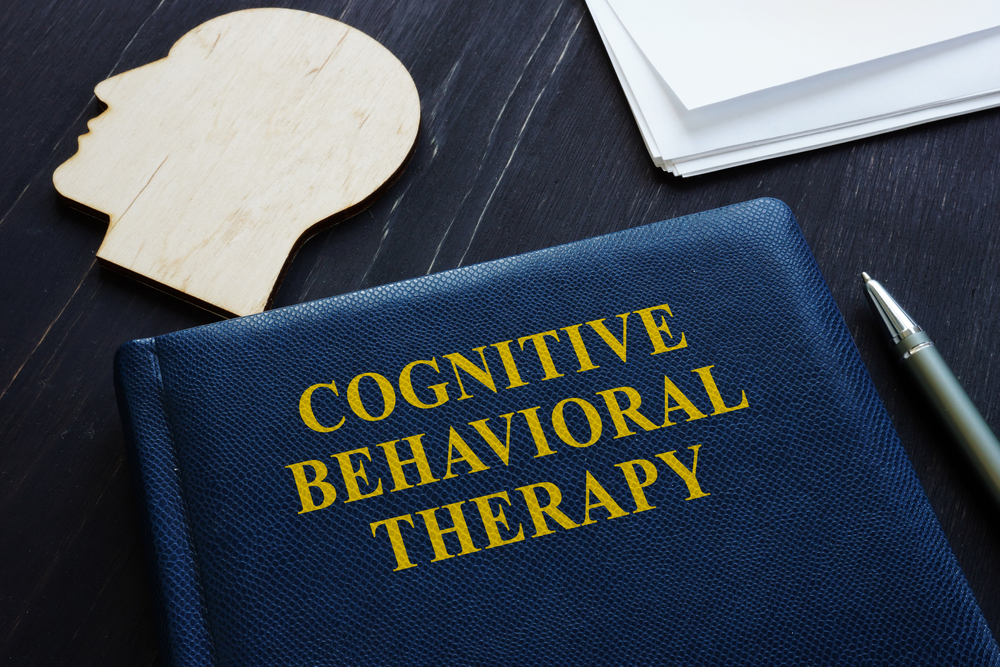
However, for a diagnosed anxiety disorder, self-help tips are usually not enough. Clinical anxiety treatment often involves Cognitive Behavioral Therapy (CBT). In CBT, we work together to identify distorted thought patterns and replace them with more realistic, balanced perspectives. This is a foundational element of Treatment for anxiety because it gives you tangible tools to use when you feel a panic attack or a wave of worry approaching.

In some instances, medication may be used as a temporary bridge to help stabilize brain chemistry while you learn these new coping skills. At a dedicated anxiety treatment center, medical professionals can monitor your progress and adjust your care plan as needed. The goal is always to move toward a state where you feel in control of your emotions, reducing the likelihood of a relapse anxiety disorder event in the future. 

Treatment for Anxiety Near You | Why Choose Frisco, TX

We know that seeking help is a brave step, and proximity to care matters. If you are searching for an anxiety treatment center in North Texas, you want a facility that understands the local community and provides a high standard of clinical excellence. We offer intensive outpatient programs that allow you to receive top-tier anxiety treatment while still maintaining your daily responsibilities at home or work.

Our approach to Treatment for anxiety is holistic. We don’t just look at the symptoms; we look at the person. By addressing co-occurring issues like substance use or depression, we help prevent the cycle of Relapse anxiety disorder. Our Frisco location is designed to be a sanctuary for healing, staffed by professionals who are dedicated to your long-term success.

Choosing the right anxiety disorder program involves looking for accreditation and a proven track record. We pride ourselves on our state licensure and our commitment to evidence-based practices. We invite you to reach out and learn how our specific protocols can help you transition from a life of fear to a life of freedom.

Take the First Step Toward Recovery

We have explored the complexities of living with persistent worry, from the biological triggers of an anxiety disorder to the life-changing benefits of professional anxiety treatment. We know that the journey to recovery isn’t always linear, but with the right treatment for anxiety, it is entirely possible to regain your sense of self and your joy for life. Whether you are managing the risk of a relapse of anxiety disorder or seeking help for the very first time, we are here to support you.

Finding a reputable anxiety treatment center is the most important decision you can make for your mental health. We are committed to providing the Frisco community with the tools, therapy, and medical oversight necessary to overcome the grip of anxiety. You do not have to carry this weight alone.

If you or a loved one are struggling to manage the symptoms of anxiety, we are ready to help. Our team at Aspire Recovery Center of Frisco specializes in a comprehensive outpatient program tailored to your unique needs. We provide the structure and support necessary for lasting change.

Contact us today to schedule an assessment and learn more about our specialized programs.

Do We Accept Your Insurance?

Group therapy - Aspire

Discover the Journey to Recovery with Aspire Frisco

Our mission at Aspire Frisco is to support you on your journey to holistic wellness. Our individualized therapies based on research and compassionate support are provided with our outpatient mental health and substance use treatment programs. Today, take the first step toward a better tomorrow. For the personalized care that you deserve, get in touch with us.

Contact Us

Related Posts

Substance Use Disorder: Signs, Symptoms, and Causes

Have you ever worried that you or someone you care about might have a problem with drugs or alcohol? It’s…

Read More

Substance Use Disorder – Treatment and Prevention

Understanding the Struggle: What is Substance Use Disorder? Substance use disorder (SUD) is a complex condition characterized by the uncontrollable…

Read More

Tramadol Addiction: Recognizing the Signs, Symptoms, and Treatment Options

We’ve all experienced pain at some point in our lives. Whether from an injury, surgery, or chronic condition, pain can…

Read More

Alcohol Use Disorder: Symptoms, Causes, and Treatment Options

When we talk about Alcohol Use Disorder (AUD), we’re peering into a world where drinking isn’t just a toast to…

Read More

What is the Difference Between Mental Illness and Mental Disorder – Understanding the Mental Health

Mental health is a complex and often misunderstood topic. Many people use the terms “mental illness” and “mental disorder” interchangeably,…

Read More

What is Mental Illness: Its Types, Causes and Symptoms

A Comprehensive Guide on Mental Illness: Types, Causes Signs and Symptoms Mental illness is a critical issue that affects millions…

Read More

Mental Illness: Diagnosis, Treatment & Recovery Options

Options for Diagnosis, Treatment, and Recovery for Mental Illness Mental illness is a pervasive issue that affects millions of people…

Read More

Anxiety Disorders: Causes, Symptoms & Treatments

Anxiety Disorders Anxiety isn’t just a feeling – it’s a disorder that disrupts lives, relationships, and dreams. If racing thoughts,…

Read More

6 Types of Anxiety Disorders Everyone Should Know

Anxiety Disorders Types Anxiety is a natural response to stress, but when it becomes excessive and persistent, it can interfere…

Read More

Attention Deficit/Hyperactivity Disorder (ADHD) – A Comprehensive Guide

Attention Deficit/Hyperactivity Disorder, commonly known as ADHD, is a neurodevelopmental disorder that affects millions of children and adults worldwide. It…

Read More

Obsessive-Compulsive Disorder (OCD): A Comprehensive Guide

Have you ever had a thought that just wouldn’t go away? A nagging worry that kept circling in your mind,…

Read More

Personality Disorder: A Complete Guide and Overview

In this detailed guide, we delve into the complex world of personality disorders, exploring their types, signs, symptoms, and treatment…

Read More

PTSD (Post-Traumatic Stress Disorder): A Comprehensive Guide

What is PTSD? Post-Traumatic Stress Disorder (PTSD) is a mental health condition triggered by a terrifying event – either experiencing…

Read More

Schizophrenia: Symptoms, causes, and treatments

Schizophrenia is a complex mental health disorder that affects millions of people worldwide. It is a condition that can significantly…

Read More

Understanding the Importance of Early Mental Health Treatments

Mental health is a crucial part of overall well-being, but too often, it is pushed to the sidelines until serious…

Read More

Common Myths About Mental Health Treatment Debunked

If you’ve ever hesitated to seek mental health treatment because of what you’ve heard, you’re not alone. From the belief…

Read More

The Different Types of Mental Health Treatment Approaches: Therapy, Medication, and Holistic

In today’s fast-paced world, mental health concerns have become increasingly prevalent. Whether it’s dealing with anxiety, depression, stress, or more…

Read More

Why Self Care Mental Health is a Critical Part of Treatment

Mental health treatment has come a long way, breaking down stigma and barriers for those seeking help. Today, people are…

Read More

Finding the Right Therapist with Aspire Frisco: Your Path to Mental Wellness

Choosing the right therapist can be a transformative step in your mental health journey. At Aspire Recovery Center of Frisco,…

Read More

How CBT Can Help You Manage Anxiety and Depression

Anxiety and depression can feel overwhelming, making even small tasks seem like mountains. But here’s the good news: Cognitive Behavioral…

Read More

Navigating the First Steps of Seeking Mental Health Treatment

Starting mental health treatment is no small feat—it’s a brave, personal decision that can be life-changing. Whether you’re feeling stuck,…

Read More

Mental Health Treatment in the Digital Age: Teletherapy and Online Resources

Accessing mental health support has never been easier. With teletherapy and online resources on the rise, more people are connecting…

Read More

Breaking the Stigma: Common Myths About Mental Health 

Mental health has long been shrouded in misunderstanding, contributing to a pervasive stigma that hinders individuals from seeking the help…

Read More

Understanding the Difference Between Inpatient and Outpatient Mental Health Treatment

Mental health is an essential part of our overall well-being, and when individuals face mental health challenges, it’s crucial to…

Read More

Understanding Depression: Symptoms, Causes, and Treatment Options in Frisco, TX

Depression is more than just feeling sad or having a bad day. It’s a serious mental health condition that affects…

Read More

Bipolar Disorder Explained: 7 Essential Strategies to Manage Highs & Lows for a Balanced Life 

Bipolar disorder is a complex mental health condition characterized by extreme mood swings, including emotional highs (mania or hypomania) and…

Read More

Personality Disorders Treatment: What You Need to Know 

Personality disorders are complex mental health conditions that affect the way individuals think, feel, and behave. These disorders can interfere…

Read More

PTSD Therapy & Trauma Recovery: Finding the Right Help 

Post-Traumatic Stress Disorder (PTSD) is a serious mental health condition that affects individuals who have experienced or witnessed a traumatic…

Read More

Anxiety Disorders & How to Manage Them- Anxiety Treatment in Frisco 

Anxiety is often misunderstood as simple nervousness or worry before a big event. However, for those living with anxiety disorders,…

Read More

Mental Health Matters: Steps To Support Yourself & Others

In our fast-paced world, we often prioritize physical well-being, yet the significance of our mental health can sometimes take a…

Read More

Mental Health Awareness Month 2025

The conversation around mental well-being has grown significantly in recent years, yet the need for education, empathy, and accessible support…

Read More

June 12th Is Family Health and Fitness Day

Welcome! As we approach June 12th, we turn our attention to a very special occasion: Family Health and Fitness Day….

Read More

Signs of Substance Use in Loved Ones

It can be a deeply painful and confusing experience to watch someone you care about change before your eyes, suspecting…

Read More

International Overdose Awareness Day

The overdose crisis is one of the most pressing public health challenges of our time. It is a quiet epidemic…

Read More

Types of Substance Use Disorders

Let’s begin by exploring the fundamental question, “What is a Substance Use Disorder?” We will identify the most common types…

Read More

National Suicide Prevention Month

Here at Aspire Recovery Center of Frisco, we believe in the power of conversation. We know that talking about mental…

Read More

Types of Depression Disorders

It’s a feeling many of us know. A day, or maybe a few days, where the world seems a little…

Read More

What Is Bipolar Disorder? Symptoms & Causes

Navigating the complexities of mental health can be challenging, both for individuals experiencing symptoms and for their loved ones. Among…

Read More

Types of Personality Disorders

Our personality is what makes us who we are. It’s the intricate, unique blend of thoughts, feelings, and behaviors that…

Read More

The Stages of Alcohol Recovery

In our work, we often meet clients who describe their journey into alcohol dependency not as a sudden fall, but…

Read More

Warning Signs of Suicide

In the quiet moments of our lives, we often wonder if the people around us are truly okay. We see…

Read More

Drug Withdrawal Symptoms

Deciding to stop using drugs or alcohol is one of the bravest choices a person can make. It marks the…

Read More

Relapse Prevention Plan

Recovery isn’t a destination: it’s a journey that unfolds one day at a time. Picture a man named David. David…

Read More

Living With PTSD: How to Treat PTSD

Imagine carrying an invisible backpack every single day. At first, you might not even realize it is there, but over…

Read More

What Are Synthetic Drugs?

Most of us are familiar with more traditional substances, but a new and dangerous category has emerged that poses a…

Read More

No two Journeys are the same

Let Aspire help you get back on the road to success with a program tailored just for you