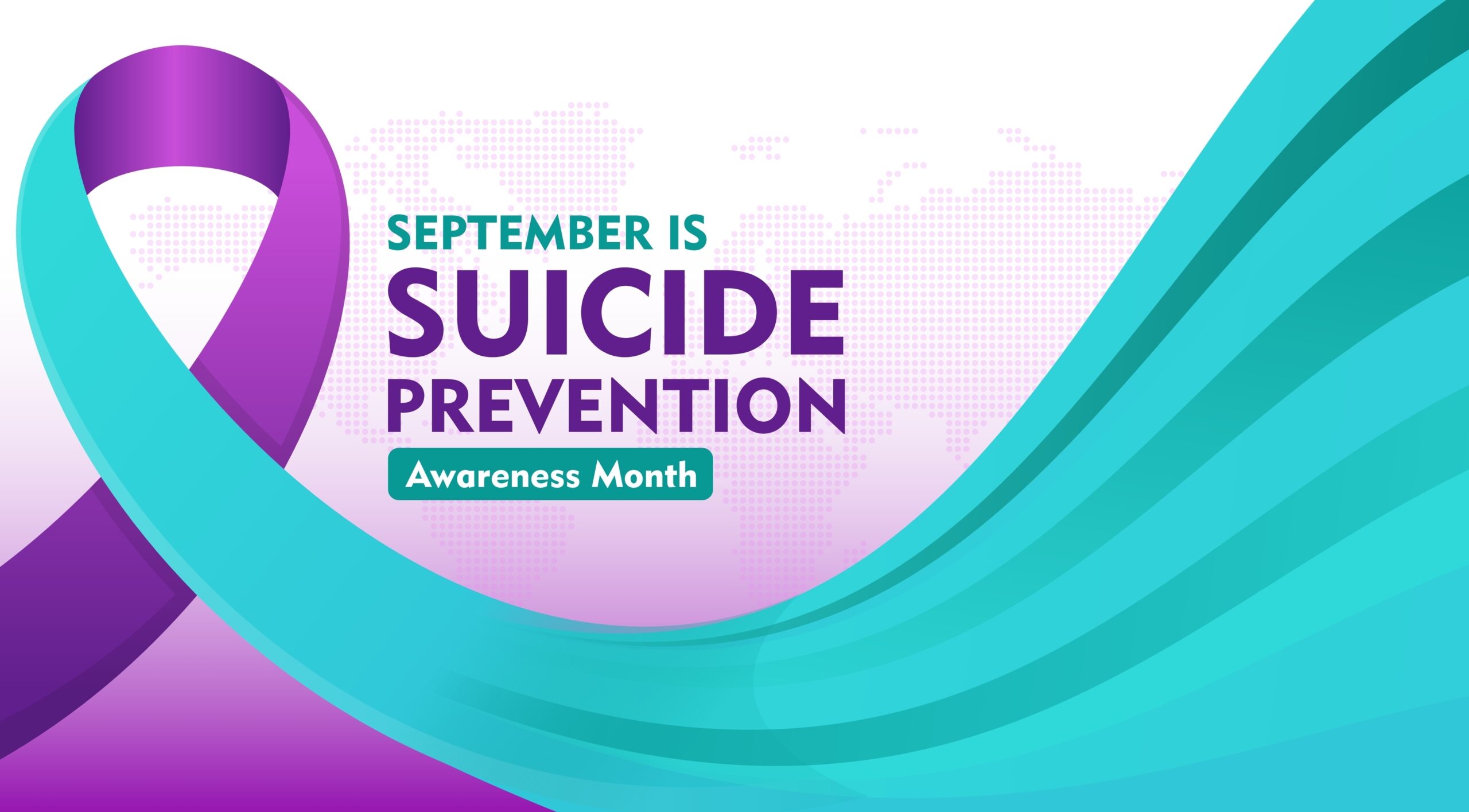
The history of mental health advocacy is often written in the lives of those who transformed their internal struggles into profound legacies. Every March, the global community observes Bipolar Disorder Awareness Month to foster understanding and eliminate social stigma.
It’s a month-long focus that culminates on March 30th with World Bipolar Day, a date chosen to honor the birthday of the legendary Dutch painter Vincent Van Gogh. Though he lived in the 19th century, historians and medical experts posthumously diagnosed Van Gogh with a condition likely to be bipolar disorder, citing his legendary cycles of prolific creativity followed by periods of deep, paralyzing despair.
Since its inception in 2014 through a collaboration between the International Society for Bipolar Disorders (ISBD), the International Bipolar Foundation (IBPF), and the Asian Network of Bipolar Disorder (ANBD), the goal has been to bring the world population information that improves sensitivity toward the illness.
Bipolar disorder remains a significant global challenge, as it is the sixth leading cause of disability worldwide. By observing Bipolar Disorder Awareness Month, we move closer to a future where individuals are judged by the content of their character rather than their medical diagnosis.
Understanding Bipolar Disorder | Recognizing Bipolar Disorder Symptoms
Bipolar disorder is a complex brain condition that causes unusual shifts in mood, energy, and activity levels. Unlike the typical ups and downs everyone experiences, these shifts are severe and can interfere with a person’s ability to carry out day-to-day tasks. There are three primary types of the condition: Bipolar I, characterized by at least one manic episode; Bipolar II, which involves major depressive episodes and hypomania; and Cyclothymia, a milder, chronic form of mood instability.
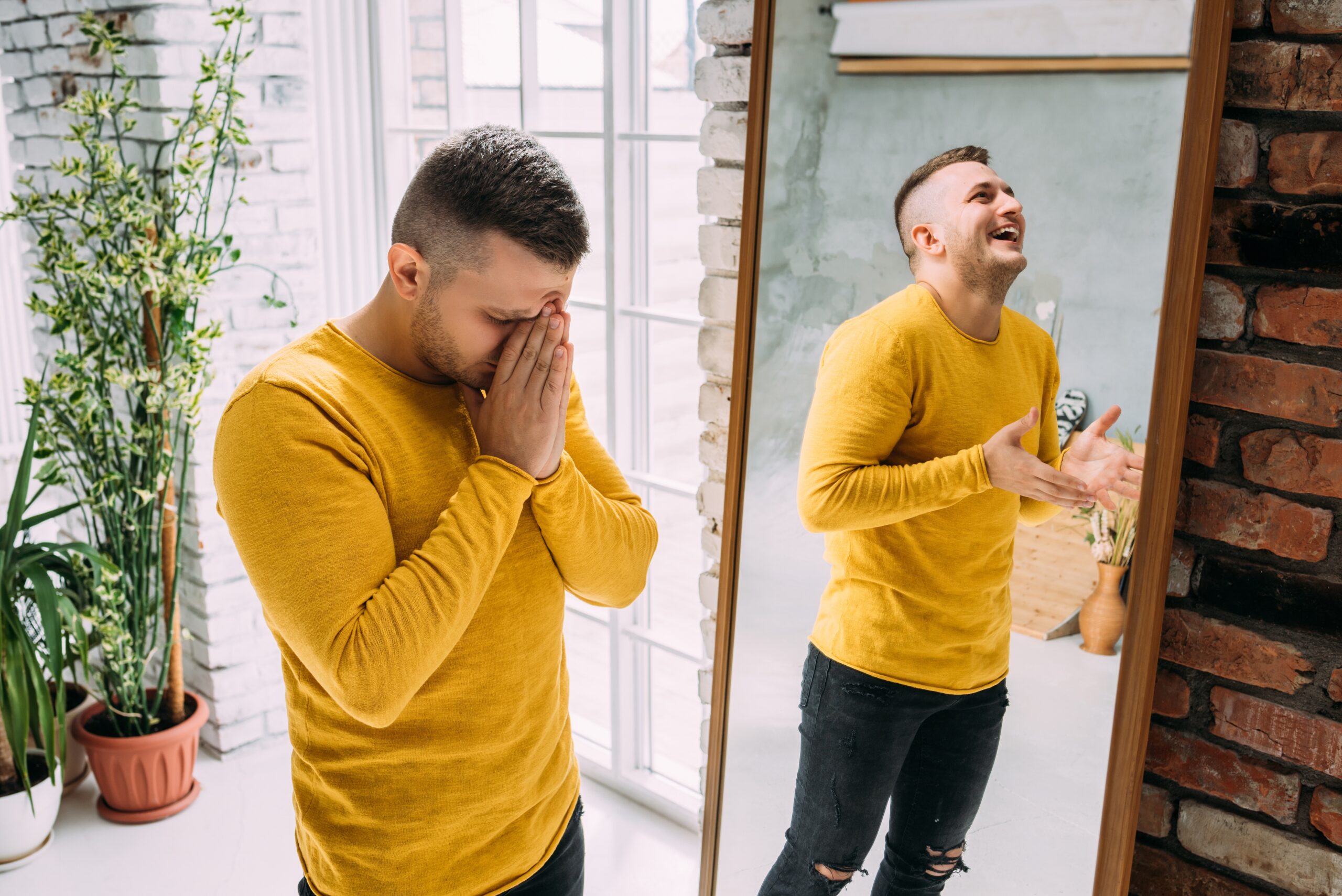
Bipolar disorder symptoms are typically categorized into “highs” (mania or hypomania) and “lows” (depression). During a manic phase, an individual may feel euphoric, require very little sleep, and experience racing thoughts. Conversely, a depressive episode can lead to feelings of hopelessness, extreme fatigue, and social isolation.
On average, it takes 10 years for a person to receive an accurate diagnosis, partly because nearly 69% of patients are initially misdiagnosed with other conditions like unipolar depression.
Tips for Supporting Loved Ones
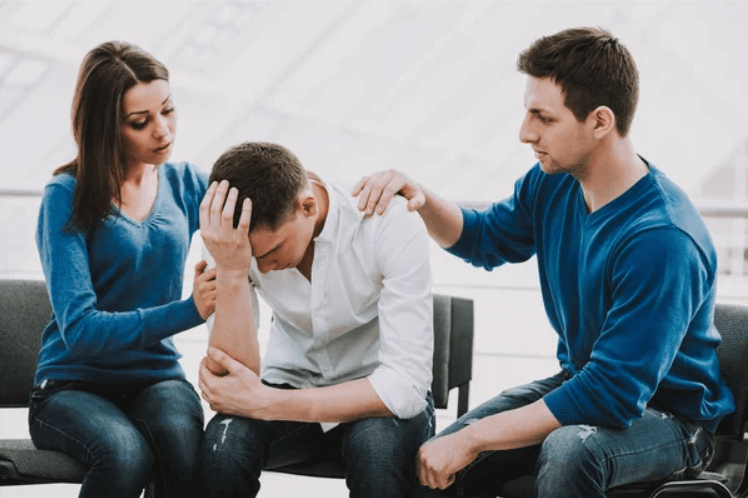
- Practice active listening | Let them express their feelings without judgment or immediate attempts to “fix” the situation.
- Learn the triggers | Help identify patterns like sleep deprivation or high-stress events that may precede a mood shift.
- Encourage professional help | Offer to help them find a doctor or accompany them to appointments if they feel overwhelmed.
Advocacy in Action | Raising Bipolar Disorder Awareness
Bipolar disorder awareness is essential for breaking the silence that often surrounds mental health. Stigma remains a major barrier to care, with research showing that 69% of individuals with this condition feel social stigma has negatively impacted their family relationships. Advocacy efforts during Bipolar Disorder Awareness Month aim to replace fear with empathy by sharing personal stories and lived experiences.
Raising awareness can take many forms, from social media campaigns using the hashtag #WorldBipolarDay to local community workshops. Many supporters wear a black and white ribbon, symbolizing the extremes of mania and depression, or a green ribbon to represent mental health in general. Businesses can also participate by implementing policies that support mental health days and fostering environments where employees feel safe discussing their well-being.
Quiz | Test Your Knowledge
- True or False? Bipolar disorder affects men more often than women.
- Answer: False. It affects men and women roughly equally, though women are more likely to experience rapid cycling.
- True or False? The average age of onset for bipolar disorder is 25.
- Answer: True. While it can occur at any age, most diagnoses happen in the late teens or early 20s.
- True or False? Creative people are more likely to have bipolar disorder.
- Answer: While many famous artists had the condition, it affects people across all professions and backgrounds.
Modern Science and Support | Bipolar Disorder Treatment Options
The path to stability often requires a comprehensive approach to bipolar disorder treatment. Because the condition is lifelong, treatment is not about a “cure” but about managing symptoms and improving quality of life.
Effective treatment for bipolar disorder usually combines medication management with psychotherapy. Traditional medications include mood stabilizers like lithium — a gold standard for decades — and antipsychotics or antidepressants tailored to the individual’s specific needs.
The landscape of care has also now expanded to include precision medicine and digital therapeutics. Clinicians are increasingly using pharmacogenomics to predict how a patient will respond to specific medications, reducing the “trial-and-error” phase that has historically frustrated many patients. Furthermore, rapid-acting interventions like esketamine are being utilized for treatment-resistant depressive phases, while somatic therapies help patients manage how their bodies hold stress and trauma.
Psychotherapy remains a cornerstone of care. Cognitive Behavioral Therapy (CBT) and Dialectical Behavior Therapy (DBT) help individuals recognize early warning signs of mood shifts and develop coping mechanisms for stress.
For those requiring more intensive support, starting an intensive outpatient program will provide structured environments to stabilize during acute episodes. By integrating medical intervention with robust social support and lifestyle changes — such as maintaining a strict sleep schedule — many people with bipolar disorder lead highly productive and fulfilling lives.
At Aspire Recovery Center of Frisco, we believe that a diagnosis is the beginning of a journey toward wellness rather than a limitation. If you or a loved one is seeking comprehensive bipolar disorder treatment, reach out to Aspire Recovery Center for personalized care and support.