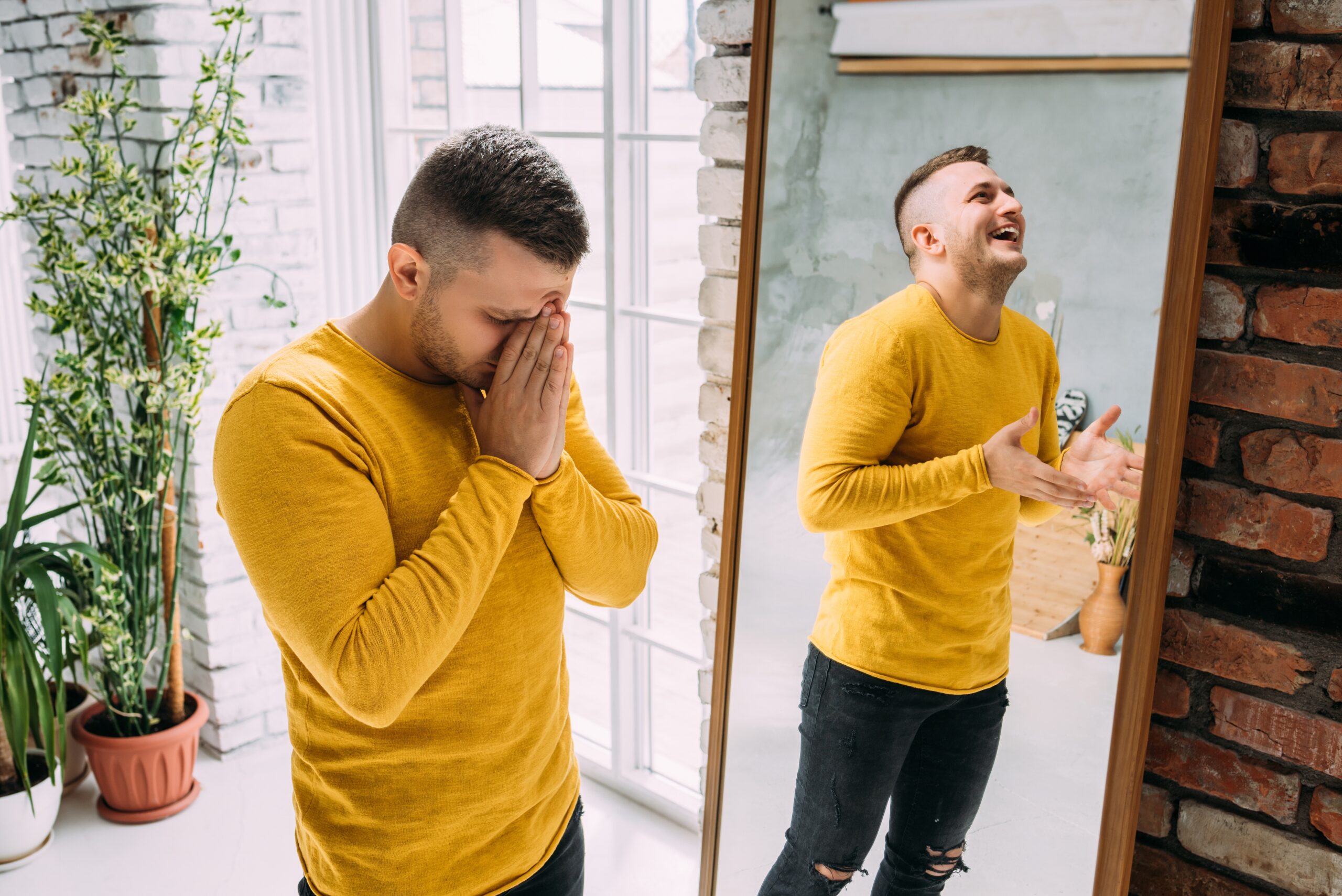

Imagine carrying an invisible backpack every single day. At first, you might not even realize it is there, but over time, the weight becomes undeniable. Some days, it feels like it is filled with feathers — manageable, but present. On other days, it feels like it is loaded with lead bricks, dragging you down until simply getting out of bed feels like climbing a mountain.
This is what living with Post-Traumatic Stress Disorder (PTSD) often feels like. Not just “bad memories” but a physiological and psychological weight that reshapes how we view the world, our safety, and ourselves.
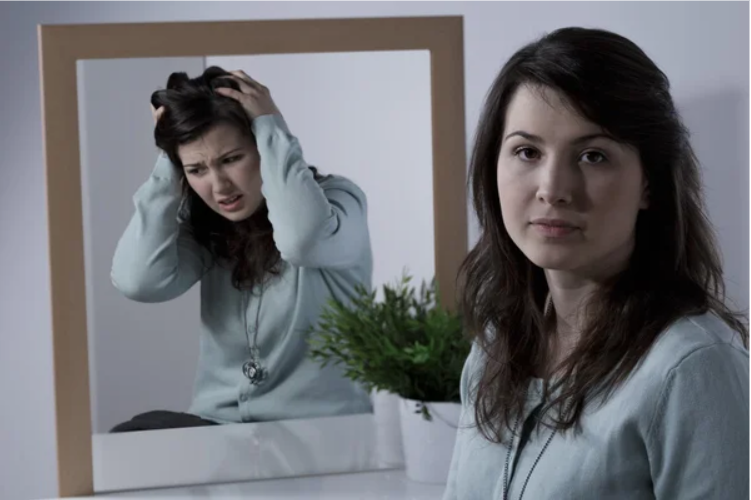
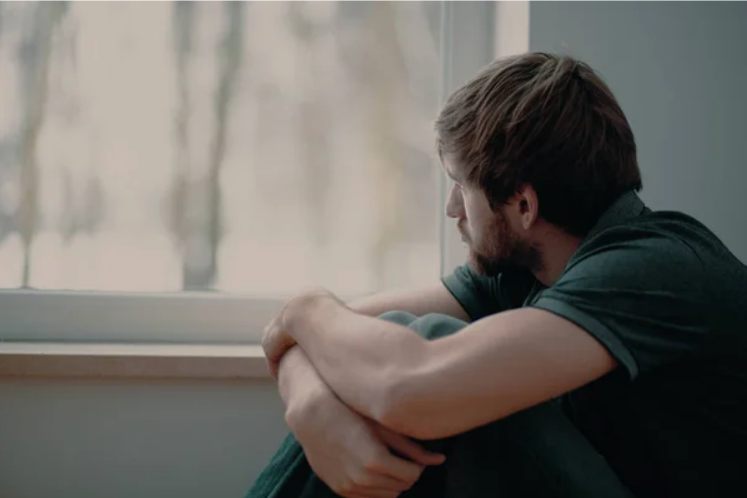
For many of us, the hardest part is not the trauma itself, but the isolation that follows. We convince ourselves that we are broken, that this heightened state of alert is our new permanent reality. But we want to start this conversation with a different truth: You are not broken, and you do not have to carry that backpack forever.
At Aspire Recovery Center of Frisco, we have walked alongside countless individuals who have moved from merely surviving their history to thriving in their future.
Now, let’s explore the reality of this condition, answer the pressing question of whether it is curable, and walk you through exactly how to treat PTSD effectively.
Is PTSD Curable? | Understanding Recovery
One of the first questions we hear from patients and their families is simple but heavy: “Is this going to last forever?” The answer is nuanced. If you are asking if there is a magic pill that erases the memory of the trauma, the answer is no.
However, if you are asking if you can live a life free from the debilitating symptoms of PTSD — the flashbacks, the panic, the avoidance — then the answer is a resounding yes.
Medical professionals and researchers often debate the word “cure.” In the context of chronic conditions, we prefer the terms “remission” and “recovery.” Recent data suggests that with evidence-based treatment for PTSD, a significant percentage of patients — often cited around 40% to 60% depending on the modality — can achieve full remission, meaning they no longer meet the diagnostic criteria for the disorder. For others, it becomes a manageable aspect of their history rather than a driver of their daily behavior.
Recovery is a process of recalibrating the brain’s alarm system. When trauma occurs, the amygdala (the brain’s fear center) gets stuck in the “on” position. PTSD treatment is essentially the manual labor of turning that switch off, or at least installing a dimmer. We have seen patients who were once unable to drive a car or enter a crowded room eventually reclaim those activities with confidence. The goal is not to delete the past but to strip it of its power to control your present.
How to Treat PTSD | Effective Therapies and Strategies
When we discuss how to treat PTSD, we are looking at a multi-faceted approach. There is no one-size-fits-all solution, but there are “gold standard” therapies that have proven effective across diverse populations, from combat veterans to survivors of domestic abuse.
Psychotherapy — The Foundation of Healing
The most effective treatment for PTSD usually involves some form of trauma-focused psychotherapy. This is different from general talk therapy where you might discuss your week. Trauma-focused therapies are structured and goal-oriented.
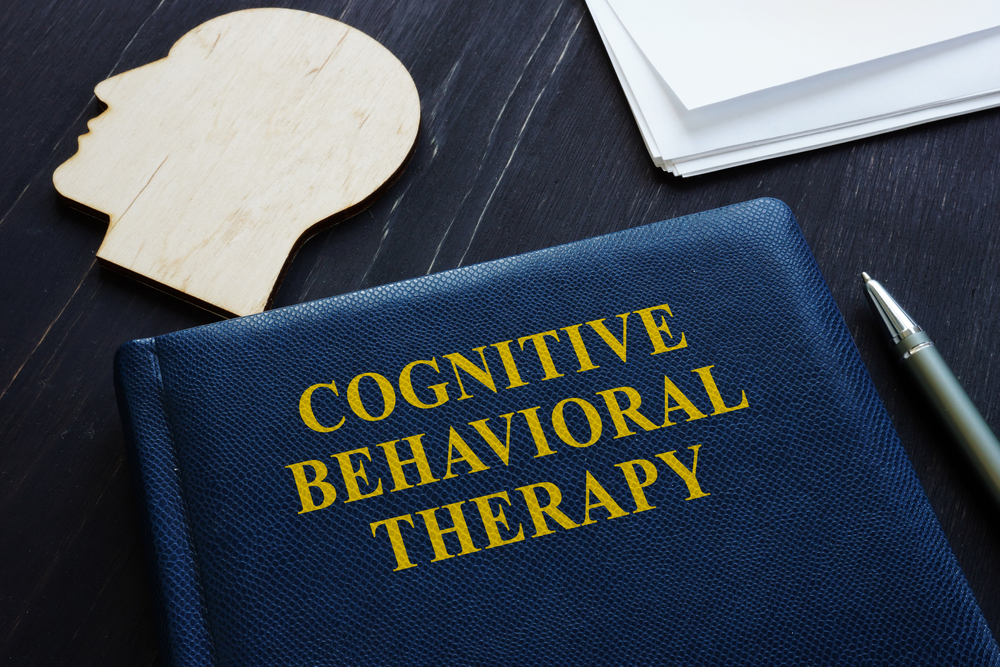
Cognitive Behavioral Therapy (CBT) is widely used. In this setting, we work to identify the negative thought patterns that have stuck since the trauma—thoughts like “the world is completely dangerous” or “I am to blame.” By challenging these cognitive distortions, we can change the emotional and behavioral responses that follow.
Another powerful tool is Eye Movement Desensitization and Reprocessing (EMDR). This might sound technical, but it is a fascinating and highly effective method. EMDR uses bilateral stimulation — often following the therapist’s finger with your eyes or using tapping — to help the brain process stuck memories. It is like moving a file from a cluttered desktop into a neat filing cabinet; the memory remains, but the emotional charge is significantly reduced
Medication Management
While therapy addresses the software of the mind, medication can help stabilize the hardware. Antidepressants, specifically SSRIs (Selective Serotonin Reuptake Inhibitors) and SNRIs, are often prescribed to help manage the symptoms of depression and anxiety that accompany PTSD.
These are not “happy pills” — they’re tools to lower the baseline of anxiety enough to make therapy more effective. It is vital to consult with a psychiatrist at a mental health clinic to find the right balance for your specific physiology.
Holistic and Lifestyle Strategies
We believe that true mental health treatment goes beyond the clinical hour. Integrating holistic practices can accelerate healing. This includes:
- Mindfulness and Grounding: Learning to stay in the “now” helps counteract flashbacks. Techniques like the “5-4-3-2-1” method (identifying 5 things you see, 4 you feel, etc.) are practical tools for high-stress moments.
- Physical Activity: Trauma often lives in the body. Activities like yoga or even rhythmic cardio can help release stored tension.
- Community Connection: Isolation feeds PTSD. engaging in group therapy or support groups breaks the stigma and reminds you that you are not the only one fighting this battle.
Is PTSD a Mental Illness? Breaking the Stigma
There is often a hesitation to label PTSD as a “mental illness” because of the stigma attached to that term. However, clinically speaking, yes, PTSD is classified as a mental health disorder in the Diagnostic and Statistical Manual of Mental Disorders (DSM-5).
It is categorized under “Trauma- and Stressor-Related Disorders.” To receive a diagnosis, an individual must have been exposed to a traumatic event and subsequently experience symptoms from four distinct clusters:
- Intrusion: Flashbacks, nightmares, or intrusive thoughts.
- Avoidance: Staying away from places, people, or thoughts that remind you of the trauma.
- Negative Alterations in Cognition and Mood: Memory issues, negative beliefs about oneself, or persistent fear/anger.
- Arousal and Reactivity: Being easily startled, feeling tense, or having difficulty sleeping.
Understanding PTSD as a mental illness is actually validating. It confirms that the symptoms are not a character flaw or a sign of weakness; they are a recognized medical response to abnormal events. Just as a broken bone is a physical injury that needs setting, PTSD is a psychological injury that requires professional mental health treatment. Acknowledging this classification allows for insurance coverage, access to specialized care, and a framework for understanding what is happening in the brain.
The Role of PTSD Treatment Centers | Why Professional Help Matters
While individual therapy is fantastic, sometimes the severity of symptoms requires a more immersive environment. This is where PTSD treatment centers play a critical role. A specialized center offers a level of structure and safety that a weekly appointment cannot provide.
In a dedicated mental health clinic or treatment center, the environment is curated to reduce triggers and promote healing. You have access to a multidisciplinary team — therapists, psychiatrists, and peer support specialists — all communicating about your care. This is particularly important for those dealing with “co-occurring disorders,” such as substance abuse issues that have developed as a way to cope with the trauma.
PTSD treatment centers provide different levels of care, ranging from residential (inpatient) to outpatient programs.
- Residential Treatment: You live at the facility for 30-90 days. This is best for those who need 24/7 support and removal from their current environment.
- Partial Hospitalization Program (PHP): You attend treatment for most of the day but return home at night. This bridges the gap between inpatient and outpatient.
- Intensive Outpatient Program (IOP): You attend therapy for a few hours, several days a week, allowing you to maintain work or family responsibilities while receiving intensive care.
Finding the right level of care is the first step toward reclaiming your life.
Find a PTSD Treatment Center in Texas | Find Healing with Aspire Recovery
If you are searching for a PTSD treatment center in Texas, it can feel overwhelming to sift through the options. You need a place that combines clinical expertise with genuine compassion — a place that sees the person, not just the diagnosis.
At Aspire Recovery Center of Frisco, we specialize in outpatient treatment that fits into real life. We understand that not everyone can pause their life for months to enter a residential facility.
Our Intensive Outpatient Program (IOP) and Partial Hospitalization Program (PHP) are designed to provide robust PTSD treatment while allowing you to stay connected to your community and support system.
We utilize evidence-based therapies, including EMDR and CBT, tailored specifically to the needs of our Texas community. Whether you are in Frisco, Plano, or the greater Dallas area, our facility offers a sanctuary for healing. We also recognize that trauma often walks hand-in-hand with substance use. Our dual-diagnosis approach ensures that we are treating the root cause — the trauma — rather than just the symptoms of addiction.
When looking for PTSD treatment centers, we encourage you to ask questions: Do they offer trauma-specific therapies? Is the staff licensed and experienced with complex PTSD? At Aspire, we answer “yes” to these questions because we believe you deserve the highest standard of care.
Living with PTSD is a journey through a world that often feels dark, and navigating it alone is exhausting. But the backpack you are carrying does not have to be your burden forever. We have explored the reality that while PTSD is a serious mental health condition, it is also highly treatable. With the right combination of psychotherapy, medication, and holistic care, remission is not just a hope — it is a statistical probability for many.
If you or a loved one is struggling, we urge you not to wait. The path to a lighter, brighter future starts with a single step: reaching out for professional help. You have survived the trauma; now, let us help you survive the recovery.
Ready to Take the Next Step? Call on Aspire
Do not let trauma define your future any longer. Contact Aspire Recovery Center of Frisco today to discuss your options for treatment for PTSD. Our compassionate team is standing by to help you find the right program to reclaim your life. Call us or visit our facility in Frisco, Texas, and let’s start this journey together.