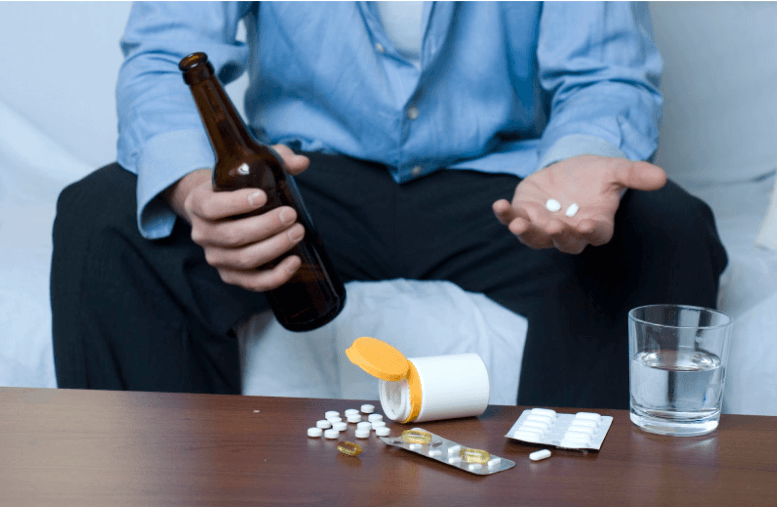

Recovery isn’t a destination: it’s a journey that unfolds one day at a time. Picture a man named David. David spent years battling alcohol dependency. After completing a detox program, he felt invigorated, clear-headed, and ready to take on the world. He believed his willpower was enough to keep him sober. However, three months later, stress at work mounted, and without a strategy to handle it, he found himself reaching for a drink. David’s story is not unique, but it highlights a critical missing piece in many recovery journeys: the lack of a structured guide to navigate life’s inevitable storms.
At Aspire Recovery Center of Frisco, we understand that achieving sobriety is a massive triumph, but maintaining it requires a different set of skills. This is where a Relapse Prevention Plan becomes your lifeline. It is the roadmap that guides you when you feel lost, the shield that protects you when triggers arise, and the anchor that holds you steady during emotional turbulence. In this post, we will explore the intricacies of maintaining long-term sobriety, the psychology behind why relapse happens, and how we can partner with you to build a future defined by health and freedom.
How To Avoid Relapse In Addiction | The Role of Outpatient Substance Abuse Treatment
Avoiding relapse is the primary goal of any recovery process, but “avoidance” is an active, not passive, endeavor. It requires vigilance, self-awareness, and often, the support found in outpatient substance abuse treatment. Many individuals mistakenly believe that once substances are out of their system, the hard work is done. In reality, the brain needs time to heal, and old habits need to be replaced with new, healthy coping mechanisms.
To avoid relapse, we must first accept that cravings and triggers are normal parts of the recovery process. They are not signs of failure; they are signals that your brain is still adjusting. The key to avoiding a return to use lies in how you respond to these signals. Strategies to avoid relapse include maintaining a structured schedule, prioritizing self-care, and staying connected to a recovery community.
One of the most effective ways to solidify these strategies is through professional guidance. Outpatient substance abuse treatment provides the therapeutic environment necessary to practice these skills in real-time. Unlike inpatient care, where you are removed from daily stressors, outpatient care allows you to navigate real-world challenges while having a safety net of therapists and peers to process those experiences with you. By integrating professional support into your daily life, you learn to dismantle the automatic responses that lead to substance use.
Furthermore, avoiding relapse involves a holistic approach. It is not just about staying away from drugs or alcohol; it is about building a life you do not want to escape from. This means addressing underlying mental health issues, repairing relationships, and finding purpose. When you are engaged in outpatient substance abuse treatment, you have access to dual-diagnosis support that treats the whole person, significantly reducing the risk of sliding back into old patterns.
What Is A Relapse Prevention Plan For Substance Abuse?
A Relapse Prevention Plan for Substance Abuse is a personalized, written document that outlines the steps you will take to remain sober. Think of it as an emergency response plan for your addiction. Just as you would have a plan for a fire or a natural disaster, you need a plan for the moments when your sobriety is threatened. This plan is not a generic list of “do’s and don’ts”; it is a tailored strategy developed to address your specific triggers, history, and needs.
A comprehensive Relapse Prevention Plan for Substance Abuse typically includes several key components:
- Identification of Triggers: You must list the people, places, things, and emotional states that make you want to use. This could range from passing a specific bar on your commute to feeling overwhelmed by financial stress.
- Warning Signs: Relapse often happens mentally and emotionally before it happens physically. Your plan should help you recognize the early warning signs, such as isolating yourself, skipping support group meetings, or romanticizing past drug use.
- Coping Strategies: For every trigger, you need a corresponding coping mechanism. If stress is a trigger, your plan might list “go for a run,” “call a sponsor,” or “practice deep breathing exercises.”
- Support Network: A list of names and phone numbers of people you can call 24/7. This includes your therapist, sponsor, supportive family members, or friends who understand your commitment to recovery.
- Lifestyle Changes: This section outlines the daily habits that support sobriety, such as regular exercise, healthy eating, adequate sleep, and attending therapy sessions.
Creating a Relapse Prevention Plan for Substance Abuse allows you to move from a reactive state to a proactive one. Instead of being blindsided by a craving, you are prepared. You have a script to follow. This reduces the anxiety associated with recovery because you know you have a safety net of your own making. At Aspire Recovery Center, we work closely with you to draft this document, checking that it is realistic, actionable, and robust enough to withstand the challenges of early recovery.
Why Do Addicts Relapse? The Need for a Substance Abuse Relapse Prevention Plan
To prevent relapse, we must understand why it happens. Relapse is rarely a spur-of-the-moment decision; it is a process. Understanding this process highlights why a Substance Abuse Relapse Prevention Plan is so vital. Addiction is a chronic disease that alters the brain’s chemistry, specifically the reward system. Even after detox, the brain remains sensitive to cues associated with substance use.
One common reason for relapse is the phenomenon known as Post-Acute Withdrawal Syndrome (PAWS). PAWS can last for months after stopping substance use and includes symptoms like irritability, anxiety, sleep disturbances, and brain fog. Without a Substance Abuse Relapse Prevention Plan that accounts for these biological factors, a recovering individual might interpret these symptoms as permanent, leading to hopelessness and a return to use for relief.
Emotional neglect is another significant factor. During active addiction, substances are often used to numb painful emotions. When the substance is removed, those emotions come flooding back. Without the tools to manage anger, sadness, or loneliness, the urge to self-medicate becomes overpowering. A well-crafted plan anticipates these emotional waves and provides healthy outlets for expression.
Complacency also plays a dangerous role. After a period of sobriety, it is easy to convince oneself that “just one” won’t hurt, or that you have regained control over the substance. This is a cognitive distortion. The disease of addiction is patient and opportunistic. A Substance Abuse Relapse Prevention Plan acts as a reality check against this complacency, reminding you of the consequences of use and the hard work you have invested in your recovery.
Finally, the environment plays a massive role. Returning to the same environment where addiction flourished without making changes is a recipe for relapse. If you hang out with the same friends who use or keep alcohol in the house, you are testing your willpower unnecessarily. Willpower is a finite resource; a plan relies on structure and strategy, which are far more durable.
Seek Professional Help For Substance Abuse | Finding the Right Substance Abuse Treatment Center
While self-help strategies are important, they are rarely enough to combat the complex nature of addiction on their own. Seeking professional help is a sign of strength, not weakness. Substance abuse treatment provides the medical oversight, therapeutic intervention, and community support that are foundational to long-term recovery.
When looking for help, it is crucial to vet substance abuse treatment centers carefully. Not all programs are created equal. You need a facility that offers evidence-based care, such as Cognitive Behavioral Therapy (CBT), which is instrumental in identifying the thought patterns that lead to relapse. You also want a center that understands the importance of aftercare. Recovery does not end when a program is completed; it requires ongoing maintenance.
At Aspire Recovery Center of Frisco, we distinguish ourselves among substance abuse treatment centers by our commitment to individualized care. We do not believe in cookie-cutter approaches. We know that your triggers are specific to your life, and your Relapse Prevention Plan must reflect that. Our clinicians are trained to help you dig deep into the root causes of your addiction, rather than just treating the symptoms.
We strongly encourage you to consider substance abuse treatment that offers a continuum of care. Starting with a higher level of care and stepping down to outpatient services allows for a gradual reintegration into society, which is safer and more effective than an abrupt transition. Professional treatment also provides accountability. Knowing that you have a team of professionals rooting for you and monitoring your progress provides a powerful motivation to stay on track.
Developing Your Relapse Prevention Plan | A Step-by-Step Guide
Now that we understand the “why” and the “what,” let us look at the “how.” Creating a Relapse Prevention Plan is a practical exercise. We recommend sitting down with a therapist or a trusted support person to write this out. Here is a detailed guide on how we approach this at Aspire.
Step 1: Self-Assessment
We begin by looking at your history. What happened the last time you relapsed? What were you feeling? Who were you with? Analyzing past behavior is the best predictor of future risk. We help you identify the specific “high-risk situations” that are unique to you. This might include holidays, paydays, or times of interpersonal conflict.
Step 2: Identifying Warning Signs
Relapse has three stages: emotional, mental, and physical.
- Emotional Relapse: You aren’t thinking about using, but your emotions are setting you up for it. Signs include anxiety, intolerance, anger, defensiveness, mood swings, isolation, and not asking for help.
- Mental Relapse: There is a war going on in your mind. Part of you wants to use, and part of you doesn’t. Signs include thinking about people, places, and things you used with, glamorizing your past use, lying, and bargaining.
- Physical Relapse: This is the act of using.
Your Relapse Prevention Plan needs specific interventions for the Emotional and Mental stages to prevent the Physical stage from ever happening.
Step 3: Concrete Coping Skills
For every warning sign, write down a specific action.
- If I feel lonely (Emotional Warning Sign) -> Action: I will call my sponsor or go to a coffee shop to be around people.
- If I start thinking about how fun it was to drink (Mental Warning Sign) -> Action: I will play the tape forward and write down the consequences that brought me to treatment.
- If I drive past the liquor store (Trigger) -> Action: I will change my route home from work immediately.
Step 4: Wellness and Lifestyle
A strong Relapse Prevention Plan focuses heavily on wellness. A healthy body supports a healthy mind.
- Sleep: Lack of sleep is a major trigger. Set a sleep schedule.
- Nutrition: Blood sugar crashes can mimic cravings. Plan regular, nutritious meals.
- Exercise: Physical activity releases endorphins, which are natural mood stabilizers.
Step 5: Emergency Protocols
Sometimes, despite our best efforts, the urge to use is overwhelming. This is when you activate the emergency section of your plan. This should include a list of 5 people you agree to call before you take a drink or drug. It should also include safe places you can go, such as a 24-hour diner, a meeting, or a friend’s house.
Utilizing Outpatient Substance Abuse Treatment at Aspire
Creating the plan is just the beginning; living the plan is the challenge. This is where outpatient substance abuse treatment at Aspire Recovery Center of Frisco serves as a critical bridge. Our Intensive Outpatient Program (IOP) is designed to support you as you implement your Relapse Prevention Plan in the real world.
In our outpatient substance abuse treatment program, you attend therapy sessions several times a week while living at home. This allows you to immediately apply what you learn. If you encounter a trigger on Tuesday, you can bring it to group therapy on Wednesday, discuss how you handled it, and refine your plan with the help of peers and counselors. This feedback loop is invaluable.
We also focus on family involvement. Addiction affects the whole family, and recovery requires the whole family. We educate your loved ones on what a Relapse Prevention Plan is so they can support you effectively without enabling you. They learn to recognize your warning signs and know how to intervene lovingly if they see you struggling.
Our approach is rooted in compassion and evidence. We know that substance abuse treatment is an investment in your life. We are here to help you protect that investment. Whether you are coming from a residential program or starting your journey with us, our team in Frisco is ready to partner with you.
The Importance of Ongoing Support and Community
No one recovers in isolation. The opposite of addiction is connection. A robust Substance Abuse Relapse Prevention Plan must include a heavy emphasis on community. This includes 12-step programs (like AA or NA), SMART Recovery, or faith-based groups. These communities provide a sense of belonging that combats the isolation often felt during active addiction.
At Aspire, we foster a strong alumni community because we know that connection to others in recovery is one of the strongest predictors of long-term success. Hearing others share their stories of overcoming urges gives you hope. Sharing your own struggles helps you process them and reduces the shame that often fuels relapse.
We also encourage you to look at substance abuse treatment centers as a resource you can return to if things get difficult. Recovery is not a straight line. If you slip, it does not mean you have failed; it means your plan needs adjusting. We are here to help you make those adjustments without judgment.
Recovery is possible, and a life free from the chains of addiction is waiting for you. By understanding the nature of relapse and creating a detailed Relapse Prevention Plan, you are taking control of your future. You are acknowledging that while you cannot control every thought or feeling, you can control how you respond to them.
We have explored the vital role of substance abuse treatment in building a solid foundation, the necessity of identifying triggers, and the importance of outpatient substance abuse treatment in testing and refining your strategies. Remember, a plan is only as good as the support system behind it. You do not have to do this alone.
If you or a loved one is struggling with addiction or needs help creating a solid Relapse Prevention Plan for Substance Abuse, we invite you to reach out to us. Let us help you build the skills, the confidence, and the community you need to thrive.
Take the next step in your recovery journey today. Contact Aspire Recovery Center of Frisco to learn more about our outpatient programs for substance abuse and mental health. Get ready for lasting sobriety.