
In the quiet moments of our lives, we often wonder if the people around us are truly okay. We see their smiles in photos, we hear their laughter at dinner, but sometimes, there is a shadow lurking beneath the surface that is difficult to name. As a community here in Frisco, and as human beings, we have a profound responsibility to look out for one another. Suicide is a heavy topic, one that many shy away from discussing, but silence is often the very thing that allows it to thrive. By bringing these conversations into the light, we strip them of their power and replace fear with understanding and action.
At Aspire Recovery Center of Frisco, we believe that knowledge is the first line of defense. Understanding the warning signs of suicide is not just about memorizing a list of symptoms; it is about cultivating a deep empathy and a watchful eye for the subtle shifts in the behaviors of those we love. It is about realizing that hope is never truly lost, even in the darkest of times, and that professional support is available to guide individuals back to a place of safety and stability.
In this post, let’s explore the complex landscape of mental health crises. We will identify the critical signs of suicide, discuss the immediate actions necessary during an emergency, and outline the long-term path to healing through professional mental health treatment. Whether you are a concerned parent, a spouse, a friend, or a fellow healthcare provider, this guide serves as a resource to help you navigate these difficult waters with confidence and compassion.
What Are the Warning Signs of Suicide?
Suicide rarely happens without some form of preamble, although these signals can sometimes be incredibly subtle or disguised as something else. The warning signs of suicide are often a desperate, unspoken cry for help. Recognizing them requires us to listen not just to what is being said, but also to what is being left unsaid.
Verbal Indicators
The most direct indicators are verbal. Sometimes, a person will clearly state their intentions, but often the language is more coded. We must take any talk of death or self-harm seriously. Common phrases might include statements about feeling like a burden to others, feeling trapped, or having no reason to live. You might hear comments like, “Everyone would be better off without me,” or “I just want the pain to stop.”
It is a myth that people who talk about suicide are just looking for attention. In reality, talking about it is a significant risk factor. When someone vocalizes these thoughts, they are giving us a window into their internal suffering. We must validate their feelings without judgment. Ignoring these comments or dismissing them as “drama” can be dangerous.
Behavioral Changes
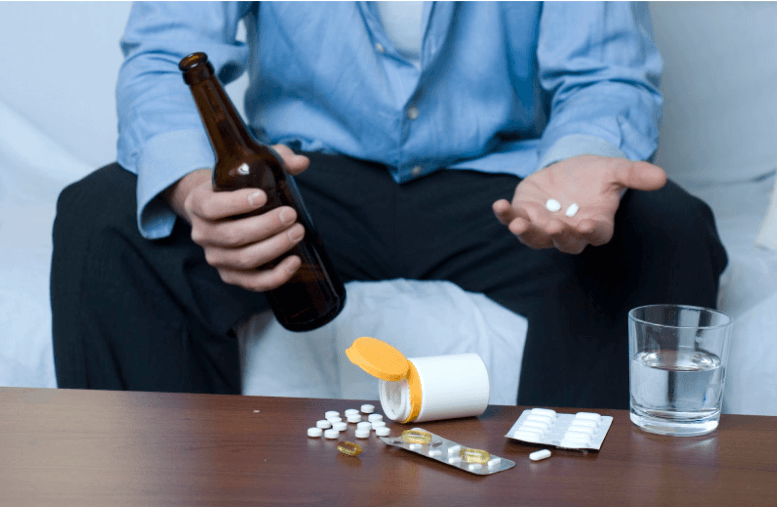
Beyond words, actions often speak volumes. Significant changes in behavior are strong signs of suicide. This can manifest as increased use of alcohol or drugs, which often serves as a form of self-medication to numb emotional pain. You might notice a person withdrawing from activities they once loved, isolating themselves from friends and family, or sleeping too much or too little.
Another critical behavioral sign is preparation. This might look like giving away prized possessions, putting affairs in order, or suddenly making out a will. In the digital age, we also need to be aware of online behavior. Posting depressing or suicidal content on social media, or searching online for methods of self-harm, are clear red flags that require immediate intervention.
Mood Fluctuations
Mood swings associated with suicidal ideation can be extreme. We often look for profound sadness or depression, and while those are certainly major indicators, they are not the only ones. Rage, uncontrolled anger, and seeking revenge can also be signs of suicide. High levels of anxiety and agitation are frequently present.
One specific and often misunderstood sign is a sudden sense of calm after a period of intense depression or turmoil. Friends and family might mistake this for recovery, thinking the person is finally “getting better.” However, this sudden calm can sometimes indicate that the person has made the decision to end their life and feels a sense of relief at having a “solution” to their pain. This is a critical moment for intervention.
Risk Factors vs Warning Signs — Understanding the Difference
To effectively utilize mental health services, it helps to distinguish between risk factors and warning signs. While warning signs indicate an immediate or approaching crisis, risk factors are characteristics or conditions that increase the likelihood that someone might consider suicide.
Risk factors include a history of mental health disorders, such as depression, bipolar disorder, or anxiety. A family history of suicide, previous suicide attempts, and chronic pain or illness also elevate the risk. Environmental factors play a role too; access to lethal means, prolonged stress (like harassment, bullying, or unemployment), and tragic life events can push a vulnerable person toward a crisis point.
Understanding risk factors helps us identify who might need proactive mental health counseling before a crisis emerges. By addressing these underlying issues through mental health treatment, we can often prevent the warning signs from ever appearing.
When to Call 911 | Immediate Crisis Intervention
There is a distinct line between a person who is struggling and a person who is in immediate danger. Recognizing this line is vital. If you observe severe warning signs of suicide that indicate an imminent threat, do not hesitate.
You should call 911 or go to the nearest emergency room immediately if a person:
- Threatens to hurt or kill themselves or talks of wanting to hurt or kill themselves.
- Is looking for ways to kill themselves, such as seeking access to firearms, available pills, or other means.
- Talks or writes about death, dying, or suicide, when these actions are out of the ordinary.
If you are with the person, do not leave them alone. Remove any firearms, alcohol, drugs, or sharp objects that could be used for self-harm. Your presence can serve as an anchor. While waiting for emergency help, listen to them. You do not need to fix their problems; you just need to keep them safe until professional help arrives.
Remember, calling 911 is an act of love. It initiates a chain of safety that can transition the individual from immediate danger to a secure environment where they can eventually access mental health treatment centers or inpatient care if necessary.
Professional Help and Its Role | Moving Beyond the Crisis
Once the immediate crisis has passed, or ideally before a crisis reaches a breaking point, the focus must shift to long-term healing. This is where mental health treatment becomes the cornerstone of recovery. Suicide is often a permanent solution to a temporary problem—a problem that can be managed and resolved with the right support.
The Power of Mental Health Counseling
Mental health counseling is not just about “talking about feelings.” It is a structured, evidence-based process designed to rewire negative thought patterns and build resilience. Therapy provides a safe space for individuals to explore the root causes of their distress, whether that stems from trauma, chemical imbalances, or life circumstances.
Through counseling, patients learn coping mechanisms. They develop a toolkit for handling stress, regulating emotions, and navigating interpersonal relationships. This proactive approach significantly reduces the intensity of the signs of suicide over time, as the individual learns that they have options and that their pain is manageable.
Working with a Licensed Mental Health Counselor
A licensed mental health counselor (LMHC) or a licensed professional counselor (LPC) is trained to navigate the complexities of the human mind. These professionals use various modalities, such as Cognitive Behavioral Therapy (CBT) and Dialectical Behavior Therapy (DBT), which are particularly effective for individuals experiencing suicidal ideation.
A licensed mental health counselor acts as a guide. They help patients challenge the distorted thoughts that tell them they are worthless or that the world would be better off without them. They help reconstruct self-esteem and foster a renewed sense of purpose. Finding a counselor who connects with the patient is a critical step in the journey. At Aspire Recovery Center of Frisco, our team is comprised of compassionate, highly skilled professionals who specialize in this level of care.
Types of Mental Health Treatment | Finding the Right Fit
The landscape of mental health services is vast, and finding the right level of care is essential for effective treatment. Not everyone requires hospitalization, and not everyone can thrive with just one hour of therapy a week.
Inpatient Treatment
For those in immediate danger, inpatient mental health treatment centers provide 24-hour monitoring and stabilization. This is the highest level of care and is crucial for acute safety.
Intensive Outpatient Programs (IOP)
This is where Aspire Recovery Center of Frisco excels. IOP is designed for individuals who do not require 24-hour supervision but need more structure than traditional outpatient therapy provides. Our programs allow individuals to receive intensive mental health treatment while continuing to live at home and maintain some of their daily responsibilities. This model bridges the gap between inpatient stays and standard counseling, offering a robust support system that integrates into the patient’s real life.
Standard Outpatient Care
This typically involves weekly visits to a licensed mental health counselor or psychiatrist. It is often the maintenance phase of recovery, helping individuals stay on track after completing a more intensive program.
Barriers to Seeking Help — Breaking the Stigma
Despite the availability of mental health services, many people hesitate to reach out. Stigma remains a powerful barrier. People often fear being judged, being labeled “crazy,” or facing professional repercussions. This is why education on the warning signs of suicide is so important — it normalizes the conversation.
We must understand that mental health is physical health. The brain is an organ, and like any other organ, it can experience illness. Seeking help for depression or suicidal thoughts should be viewed with the same logic as seeking help for a broken leg or heart disease. We encourage families in Frisco to speak openly about mental health counseling and to treat it as a proactive, positive step toward wellness.
Another barrier is the complexity of the system. People often do not know where to start. They search for mental health treatment centers and feel overwhelmed by the options. This is why we advocate for professional assessments. A simple phone call to a center like ours can provide clarity. We can assess the situation and recommend the appropriate level of care, whether that is with us or with a partner facility.
How Aspire Recovery Center of Frisco Can Help
At Aspire Recovery Center of Frisco, we are deeply committed to the well-being of our community. We understand that recognizing the signs of suicide in a loved one—or in yourself—is a terrifying experience. But you do not have to carry that burden alone.
Our facility offers comprehensive mental health services tailored to the unique needs of each individual. We specialize in diagnosing and treating the underlying conditions that often lead to suicidal ideation, such as severe depression, anxiety disorders, bipolar disorder, and co-occurring substance use disorders.
Our approach is holistic. We do not just treat symptoms; we treat the whole person. Our mental health counseling programs incorporate individual therapy, group processing, and family support systems. We believe that recovery happens best in the community, and involving loved ones in the healing process is often a key component of success.
By working with a licensed mental health counselor at Aspire, patients gain access to a structured environment where they can safely dismantle their trauma and rebuild their lives. We provide the tools, the strategy, and the unwavering support necessary to navigate the journey from darkness back into the light.
The journey through mental health struggles is rarely a straight line. There are peaks and valleys, good days and difficult ones. But understanding the warning signs of suicide gives us the map we need to navigate the roughest terrain. It empowers us to intervene, to ask the hard questions, and to offer a hand when someone is slipping.
If you or someone you love is exhibiting signs of suicide, please take it seriously. The pain is real, but so is the hope for recovery. Mental health treatment works. People do get better. They go on to live vibrant, fulfilling lives filled with joy and connection.
At Aspire Recovery Center of Frisco, we see miracles happen every day. We see the light return to people’s eyes. We see families reunited and futures reclaimed. We are here to be your partners in this journey. Whether you need an assessment, a referral, or enrollment in our intensive outpatient program, we are ready to help.
Let’s choose hope. Let’s choose action. Let’s choose to support one another in the pursuit of mental wellness.
If you are recognizing the warning signs in yourself or a loved one, do not wait. Contact Aspire Recovery Center of Frisco today to speak with our compassionate team about our mental health services. Let us help you find the path to healing.
FAQ | Understanding Suicide Prevention and Care
Q. What is the difference between passive and active suicidal ideation?
Passive suicidal ideation involves thoughts of wishing to be dead or hoping for death (e.g., hoping not to wake up) without an active plan to cause it. Active suicidal ideation involves having a specific plan, intent, and means to end one’s life. Both are serious signs of suicide and require professional attention from a licensed mental health counselor or doctor, but active ideation often requires immediate emergency intervention.
Q. How can I help a friend who refuses mental health treatment?
You cannot force an adult into mental health treatment unless they are an immediate danger to themselves or others. However, you can express your concern consistently and lovingly. meaningful support includes listening without judgment, helping them research mental health treatment centers, and offering to accompany them to an appointment. If they are in immediate danger, you must intervene by calling 911 or a crisis line, regardless of their refusal.
Q. Does asking someone about suicide put the idea in their head?
No. Research shows that asking someone directly if they are thinking about suicide does not increase the risk. In fact, it often lowers anxiety and provides a sense of relief that someone has noticed their pain. Acknowledging the warning signs of suicide and asking direct questions can be the first step in connecting them with mental health services and saving a life.
Q. Are mental health services covered by insurance?
Most mental health services, including mental health counseling and intensive outpatient programs, are covered by major insurance plans. Coverage can vary, so it is important to verify benefits. At Aspire Recovery Center of Frisco, we work with numerous insurance providers to make mental health treatment accessible and affordable for our community.